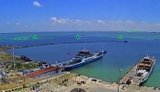
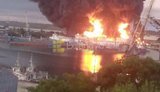
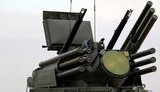
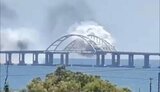
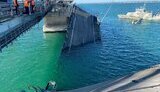
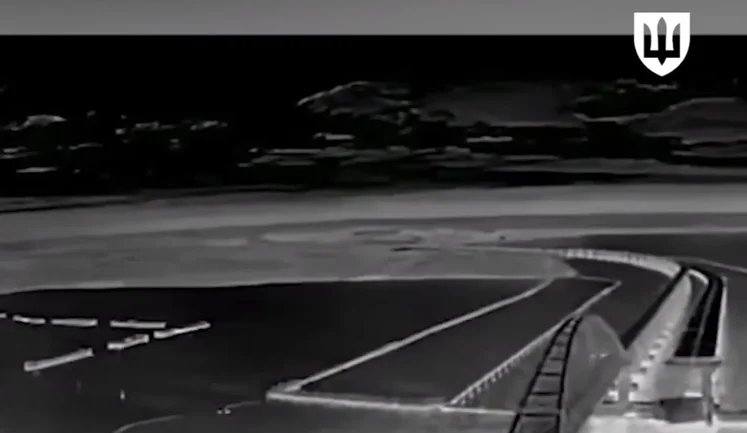
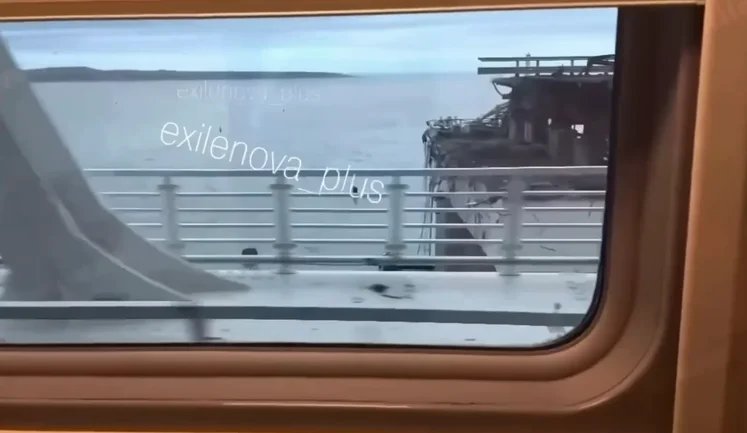
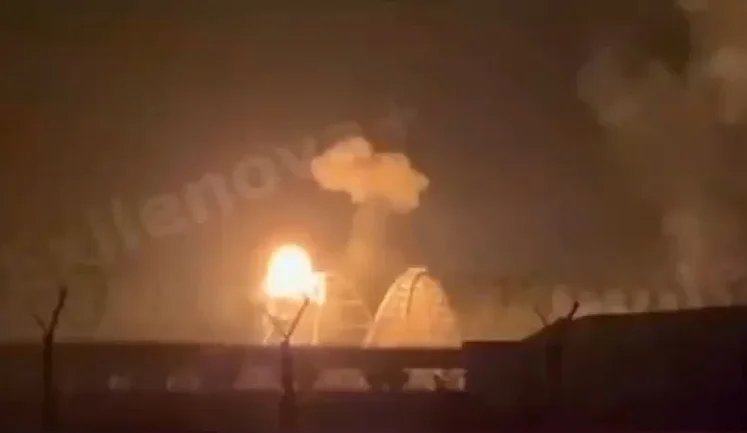
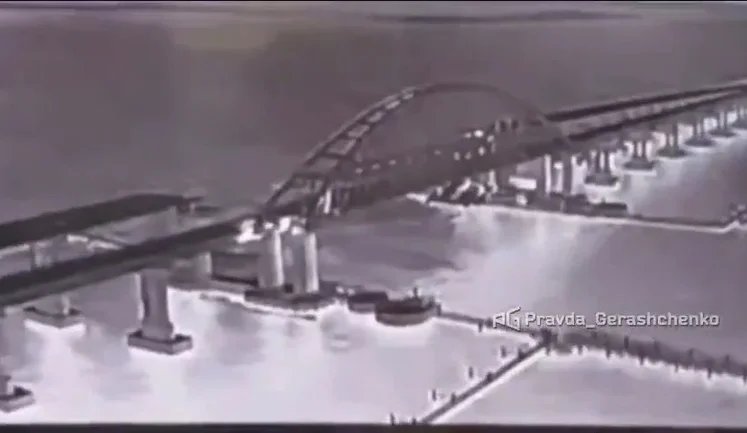
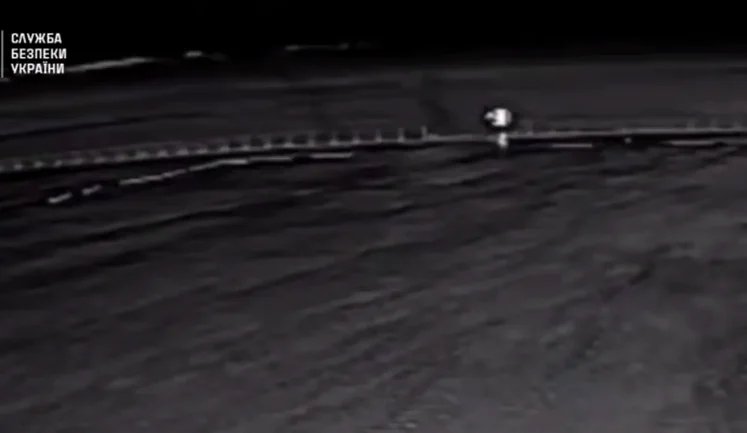
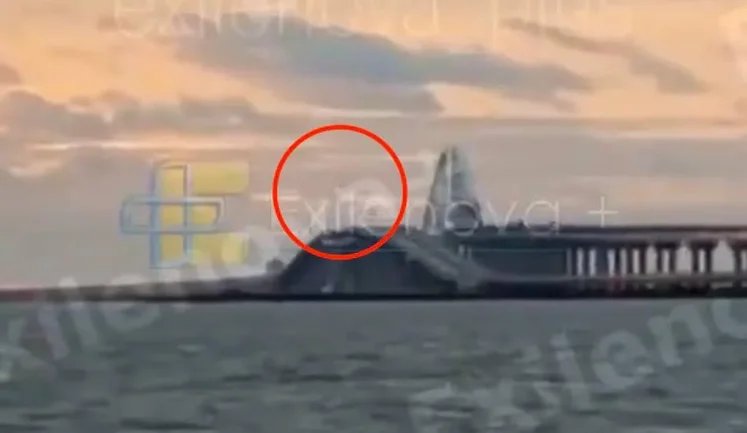
The Kerch Strait Bridge remains a focal point in the War in Ukraine, with strategic strikes continuing to disrupt its functionality. President Zelenskyy has spoken about potential retaliatory strikes on the bridge, highlighting its importance in the current geopolitical landscape. Recent operations, including 'MoLoChKa', have significantly reduced the capacity of the Kerch ferry crossing, emphasizing ongoing military strategies. Large traffic jams and restrictions, including bans on electric vehicles, underline the tense situation. Despite efforts to strengthen and defend the bridge against drone attacks, the Ukrainian Armed Forces continue to target it to incapacitate Russian logistics in Crimea. The bridge, under surveillance and occasional attack, has seen heightened security measures, such as the installation of air defense systems and temporary closures following strikes. These developments underscore the Kerch Bridge’s strategic significance in the conflict.
Why is the Kerch Strait Bridge a significant strategic target?
The Kerch Strait Bridge is crucial for connecting Crimea with Russia, making it a vital logistic and supply route for Russian forces. Targeting it disrupts military supplies and troop movements, weakening the Russian occupation’s hold on Crimea. The bridge symbolizes Russia's annexation of Crimea, thus, striking it also carries symbolic significance.
How have recent Ukrainian strikes affected the Kerch Bridge?
Ukrainian strikes have increasingly incapacitated the Kerch Bridge, reducing its ferry capacity by significant margins and leading to frequent traffic suspensions. Such operations have impaired the movement of military equipment and affected civilian transport, highlighting strategic improvements in Ukrainian military tactics aimed at logistical disruption.
What measures are being taken to protect the Kerch Bridge?
To protect the Kerch Bridge, occupying forces have implemented extensive security measures, including the use of air defense systems and barriers, alongside temporary traffic halts following threats or potential attacks. Despite these efforts, the bridge remains a primary target due to its strategic importance.
What impact do traffic restrictions have on Crimea’s connectivity?
Traffic restrictions, including bans on certain vehicles and occasional closures, severely impact Crimea's connectivity with Russia. These restrictions hinder daily civilian life and logistic operations, leading to massive traffic jams and complicating travel for residents and authorities in occupied territories.
How does international perception frame the Kerch Bridge conflicts?
International perception of the Kerch Bridge conflicts sees it as a strategic and symbolic facet of Russian-Ukrainian tensions. The repeated targeting and defense efforts highlight ongoing hostilities and the bridge's role in international discussions on territorial integrity and aggression in the region.