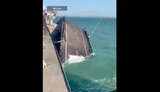
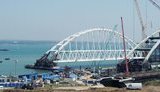
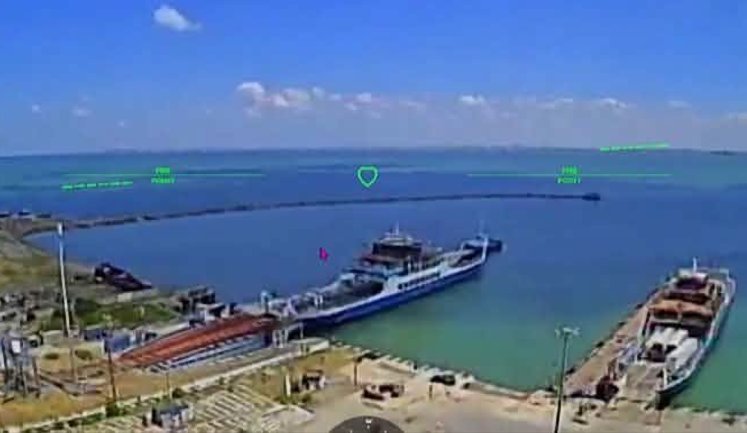
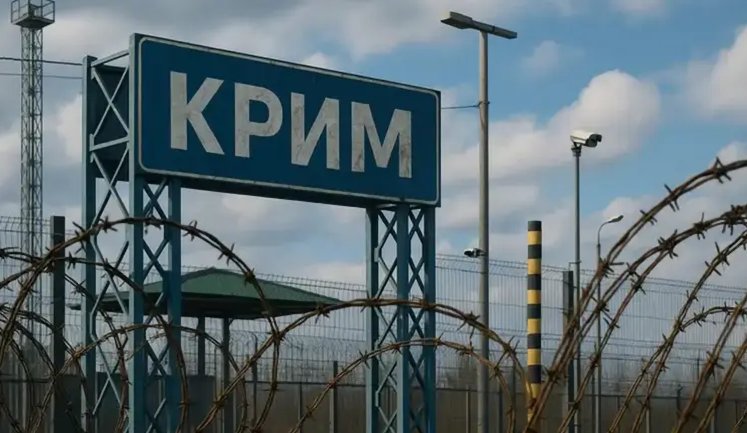
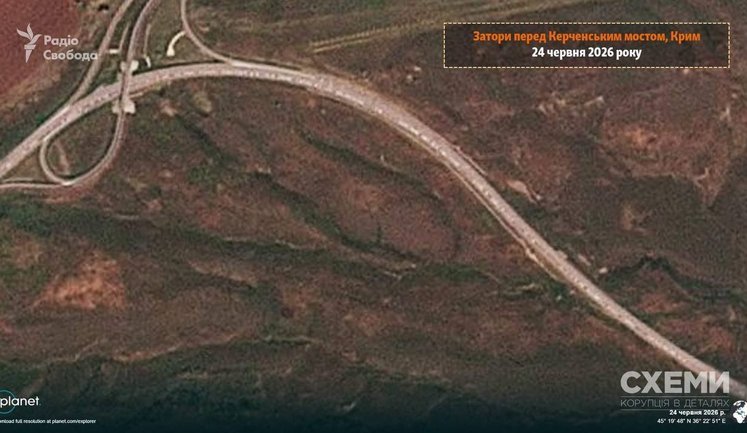
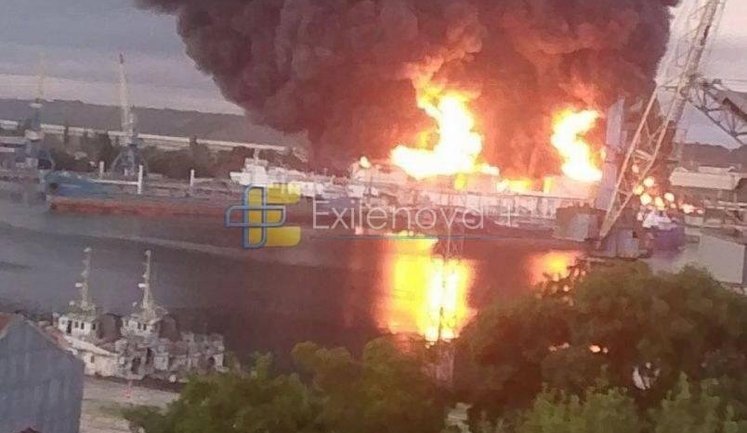
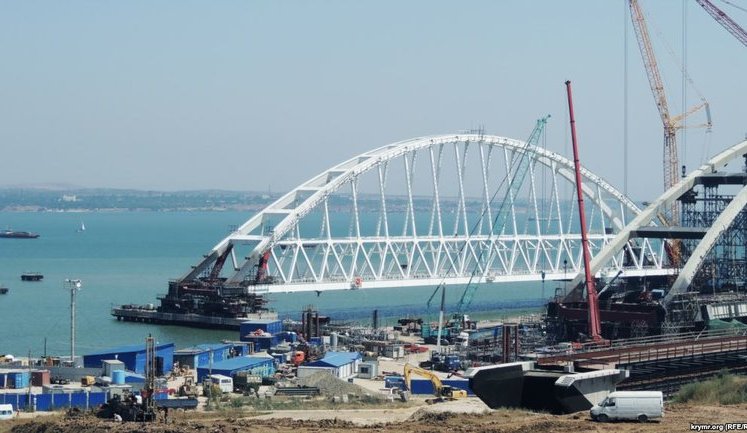
The Kerch Strait Bridge, connecting occupied Crimea with Russia, remains a hotspot amid Ukraine-Russia tensions. Recent reports highlight multiple security concerns and military engagements targeting the bridge. The Ukrainian Navy confirmed their successful strike on a Russian ship guarding the bridge, reflecting ongoing conflict in the region. Additionally, Russia banned electric vehicles on the bridge, citing potential sabotage, a move strengthening security protocols. Despite these tensions, the flow of civilian traffic continues, though military transport faces obstacles. The bridge’s strategic importance for logistics and security makes it a critical point of contention between Russia and Ukraine.
Why is the Kerch Strait Bridge significant in Ukraine-Russia relations?
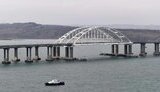
The Kerch Strait Bridge is crucial as it connects occupied Crimea to Russia, serving as a key supply route for Russian military operations. Its strategic importance makes it a focal point of military and political tension between Russia and Ukraine. Controlling this bridge impacts logistics and regional security dynamics significantly, explaining its prominence in ongoing conflicts.
What recent military activities have targeted the Kerch Strait Bridge?
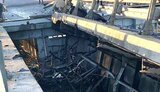
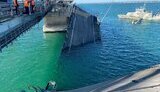
Recent activities include Ukrainian Navy strikes on Russian ships guarding the bridge, ongoing attempts to damage the bridge’s structure, and multiple suspensions of traffic due to such attacks. These actions demonstrate the persistent vulnerability of the bridge amidst military operations aiming to disrupt Russian supply routes.
How has Russia responded to threats against the Kerch Strait Bridge?
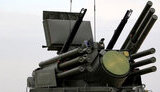
Russia has implemented several protective measures, including banning electric cars on the bridge due to sabotage fears, installing additional air defense systems, and constructing barriers. These actions aim to fortify the bridge against potential attacks and ensure its operational status amid escalating tensions.
What impact do attacks on the Kerch Strait Bridge have on Russia’s military logistics?
Attacks on the Kerch Strait Bridge hinder Russian military logistics by obstructing crucial transport routes for troops and equipment. Damage to the bridge necessitates alternative routes, complicating logistics and potentially delaying military operations, thereby affecting strategic initiative in the region.
What are the implications of banning electric cars on the Kerch Strait Bridge?
Banning electric cars is a security measure against potential sabotage, as the batteries could conceal explosives. This move underscores the increased security measures surrounding the bridge, reflecting its critical strategic importance and the heightened threat perception by Russian authorities in maintaining control over the region.