7845 visitors online
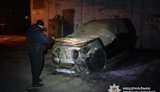
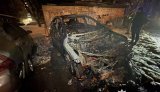
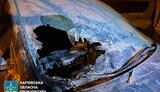
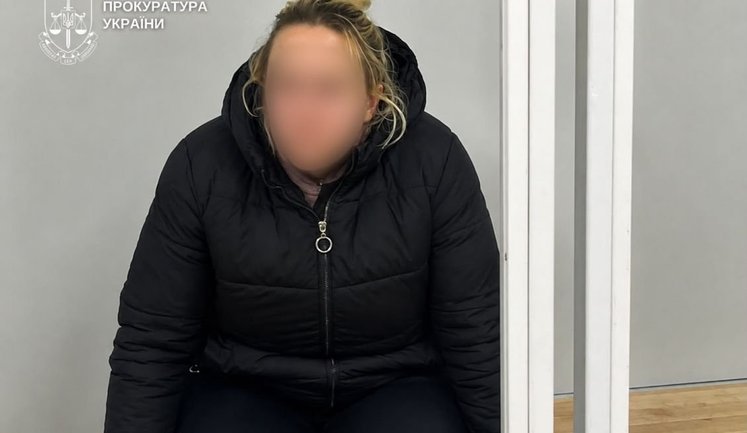
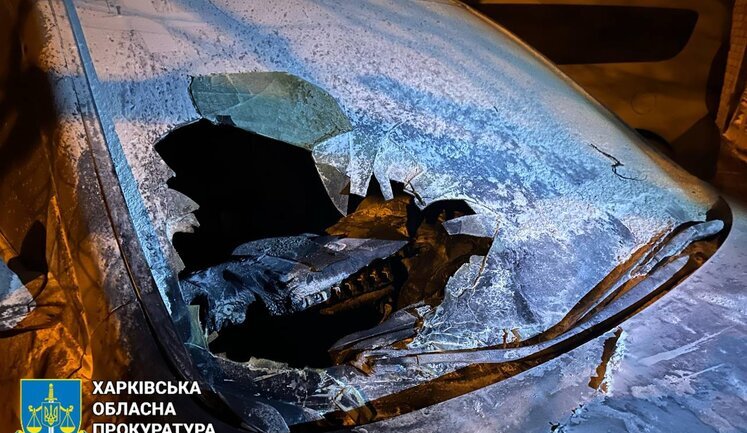
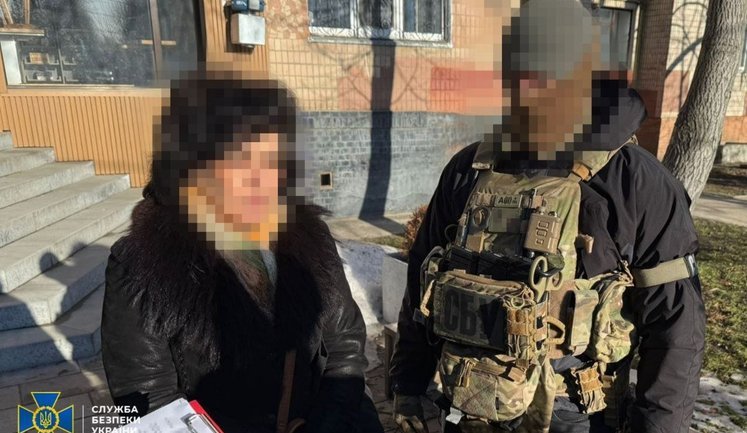
This year has seen a disturbing trend of military vehicle arson attacks attributed to Russian agents in Ukraine. The Security Service of Ukraine (SSU) and the National Police recently arrested several Russian operatives allegedly responsible for numerous arson incidents. Two individuals were detained for igniting vehicles in Dnipro and Odesa. Meanwhile, a man in Shostka received a seven-year sentence after admitting to setting military cars on fire. Authorities also scored a breakthrough with the arrest of an FSB agent preparing attacks in Khmelnytskyi. Notably, arson has been linked to sabotage efforts coordinated by Russian special services, reflecting a broader strategy targeting Ukrainian military infrastructure. These attacks, carried out for monetary gain, involve agents from a network operating across Ukraine's regions, posing a sustained threat to national security.

What are the reasons behind the burning of military vehicles in Ukraine?

The burning of military vehicles in Ukraine is primarily attributed to sabotage operations by Russian agents. These acts are part of a larger strategy to undermine Ukrainian military capabilities and infrastructures. Agents often act on orders from Russian special services for monetary compensation, leading to a pattern of arson and other forms of sabotage targeted at vehicles and military sites.

Who are the primary perpetrators of vehicle arsons in Ukraine?

The primary perpetrators of these arson attacks in Ukraine are Russian agents and their collaborators within the country. These individuals operate under the direction of Russian intelligence services, notably the FSB, and engage in actions that include setting fire to military vehicles, sometimes for financial rewards or ideological motives linked to the broader geopolitical tension between the nations.

How are Ukrainian authorities addressing these arson incidents?

Ukrainian authorities are actively addressing these arson incidents through coordinated efforts by the Security Service of Ukraine (SSU) and the National Police. They have intensified investigations, leading to multiple arrests of suspects involved in these activities. These actions are part of broader security measures to protect military infrastructure and prevent future sabotage attempts.

What evidence links these arsons to Russian intelligence services?

Evidence linking these arsons to Russian intelligence services includes confessions from detained suspects, intercepted communications, and operational patterns aligning with known strategies of Russian agencies like the FSB. Additionally, financial incentives provided to perpetrators and the systematic execution of attacks further corroborate the involvement of Russian operatives in these incidents.

Are there trends in sentencing for those convicted of military arson in Ukraine?

Sentencing trends for military arson in Ukraine show severe penalties for those convicted. Perpetrators linked to Russian orchestration often face lengthy prison terms, reflecting the gravity of their offenses. Recent cases have resulted in sentences ranging from several years to over a decade, underscoring Ukraine's commitment to punishing acts of sabotage against its military assets.

What measures can be taken to prevent further arson attacks on military vehicles?

To prevent further arson attacks on military vehicles, increased surveillance and intelligence operations are crucial. Strengthening security protocols around military installations, enhancing inter-agency cooperation, and employing advanced technological tools for monitoring can act as deterrents. Public awareness and community engagement in identifying suspicious activities also contribute significantly to prevention efforts.

show details

Related photo news burning military cars

Planted explosives under serviceman’s car in Kyiv for $1,500: Woman sentenced to 9 years for terrorist attack ordered by Russia. VIDEO+PHOTOS Planted explosives under serviceman’s car in Kyiv for $1,500: Woman sentenced to 9 years for terrorist attack ordered by Russia. VIDEO+PHOTOS A 24-year-old Kyiv woman has been found guilty of committing a terrorist attack in Kyiv’s Obolon district. The court sentenced her to nine years in prison with confiscation of property. 4 300 19 Previously in trend: Terrorist attacks in Ukraine burning military cars

SSU has exposed FSB agent who organised arson attacks on military vehicles in Kyiv. PHOTO SSU has exposed FSB agent who organised arson attacks on military vehicles in Kyiv. PHOTO The Security Service has detained another FSB agent in Kyiv. Acting on orders from the Russians, he organised arson attacks on Defence Forces vehicles in the Ukrainian capital. 2 166 6 Previously in trend: burning military cars

SSU has detained FSB agent who was planning terrorist attacks against military in Khmelnytskyi. PHOTOS SSU has detained FSB agent who was planning terrorist attacks against military in Khmelnytskyi. PHOTOS The Security Service of Ukraine has exposed and detained an FSB agent who was planning a series of terrorist attacks against Ukrainian military personnel in Khmelnytskyi. 4 019 7 Previously in trend: burning military cars Recruited FSB agents

Arson attacks carried out on behalf of Russian Federation: SSU and National Police detained four Russian agents. PHOTOS Arson attacks carried out on behalf of Russian Federation: SSU and National Police detained four Russian agents. PHOTOS Two young men were detained in Zaporizhzhia who were acting on the instructions of a representative of the Russian special services, performing tasks for monetary reward and reporting on the results via messenger. They face up to 8 years in prison. Two more Russian agents detained in Kirovohrad... 1 598 6 Previously in trend: burning military cars Detention of arsonists

Man who set fire to seven cars in Kyiv on behalf of Russian Federation detained, - police. PHOTOS Man who set fire to seven cars in Kyiv on behalf of Russian Federation detained, - police. PHOTOS Police detained a man who burned seven cars in the capital on order. 3 799 15 Previously in trend: burning military cars Detention of arsonists

Two FSB agents who committed arson in northern regions of Ukraine have been detained. PHOTOS Two FSB agents who committed arson in northern regions of Ukraine have been detained. PHOTOS The Security Service's counterintelligence and the National Police detained two more Russian agents who, on behalf of the FSB, were involved in setting fire to Defence Forces vehicles and mobile communication facilities in Ukraine. 1 454 14 Previously in trend: burning military cars Recruited FSB agents

Set military vehicles on fire on order: 19-year-old detained in Shostka. PHOTOS Set military vehicles on fire on order: 19-year-old detained in Shostka. PHOTOS A 19-year-old man was detained in Shostka, Sumy region, for arson of two military vehicles on order. 2 142 16 Previously in trend: burning military cars

Man sentenced to 5 years in prison for attempting to set military vehicle on fire in Khmelnytskyi region. PHOTO Man sentenced to 5 years in prison for attempting to set military vehicle on fire in Khmelnytskyi region. PHOTO A man who tried to burn down a military vehicle was sentenced to 5 years in prison in the Khmelnytsky region. 948 5 Previously in trend: burning military cars

Prosecutor’s office arrests student who set fire to Ukrainian soldier’s car in Kharkiv. PHOTO Prosecutor’s office arrests student who set fire to Ukrainian soldier’s car in Kharkiv. PHOTO In Kharkiv, a student who set fire to the car of a Ukrainian soldier was exposed and taken into custody. 4 977 15 Previously in trend: burning military cars Detention of arsonists