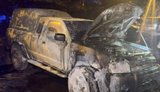
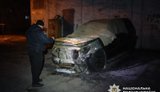
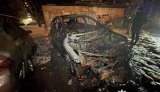
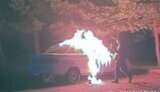
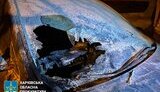
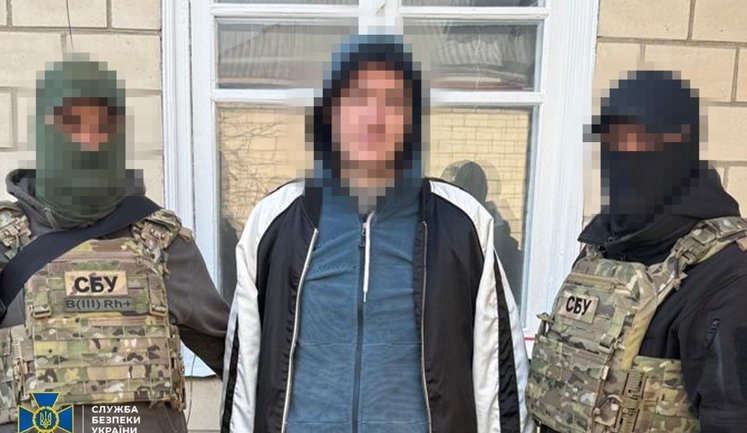
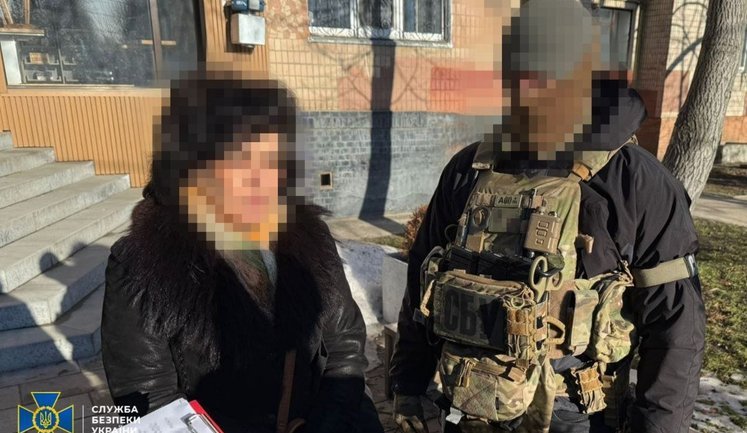
Recent incidents in Ukraine reveal a worrying trend of arson attacks targeting military vehicles, orchestrated by Russian-linked operatives. These attacks involve setting fire to cars owned by Defense Forces, using both explosives and direct ignition methods. The Security Service of Ukraine (SSU) has reported multiple arrests of individuals, including Russian agents, with some suspects having recruited minors via social media to carry out these acts. The court has taken severe measures, sentencing offenders to significant jail terms. This wave of sabotage underscores an ongoing threat to Ukraine's military infrastructure, prompted by foreign intelligence with the intent to destabilize and demoralize. The trend highlights the persistent and covert efforts of Russian intelligence to disrupt Ukrainian defense capabilities through strategic sabotage.
What is the trend involving burning military cars in Ukraine?
The trend involves a series of arson attacks on military vehicles in Ukraine, primarily orchestrated by Russian-linked operatives. These acts are part of strategic efforts to sabotage Ukrainian military operations, often involving recruited individuals acting on orders from Russian intelligence services.
Who are the main perpetrators behind these arson attacks?
The main perpetrators are often Russian agents or operatives recruited by Russian intelligence services. Individuals involved include both local agents and foreign operatives who carry out these attacks under orders from Russian special services, sometimes involving recruited minors or financially motivated agents.
What methods are used to set military vehicles on fire?
Methods used in these attacks include planting explosives beneath vehicles and directly igniting vehicles using incendiary devices. These acts are carefully coordinated and executed to have significant impact, often aiming to disturb military logistics and operations.
How is Ukraine responding to these arson attacks?
Ukraine responds through increased security measures and active investigations led by the Security Service (SSU). Arrests are made swiftly, with suspects charged in court, leading to heavy sentences for those found guilty of participating in these disruptive acts.
What impact do these arson attacks have on Ukraine's defense efforts?
The arson attacks on military vehicles have a destabilizing effect on Ukraine's defense efforts, disrupting logistics and causing material losses. They also aim to demoralize military personnel and create an atmosphere of fear and uncertainty within defense circles.
Are there recent examples of individuals being sentenced for these crimes?
Yes, several individuals have been sentenced recently, including a Kyiv woman sentenced to nine years for a terrorist attack and a Russian agent sentenced to 15 years for arson in Dnipropetrovsk region. These cases reflect Ukraine's judicial approach in addressing foreign-coordinated sabotage.
How do Russian operatives recruit individuals for these attacks?
Russian operatives often use social media platforms, such as Telegram, to recruit individuals, including minors, by offering monetary rewards or exploiting sympathies for political causes. These recruits are then instructed to carry out specific sabotage tasks.