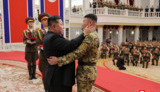
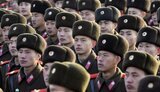
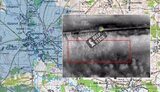
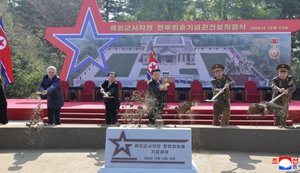
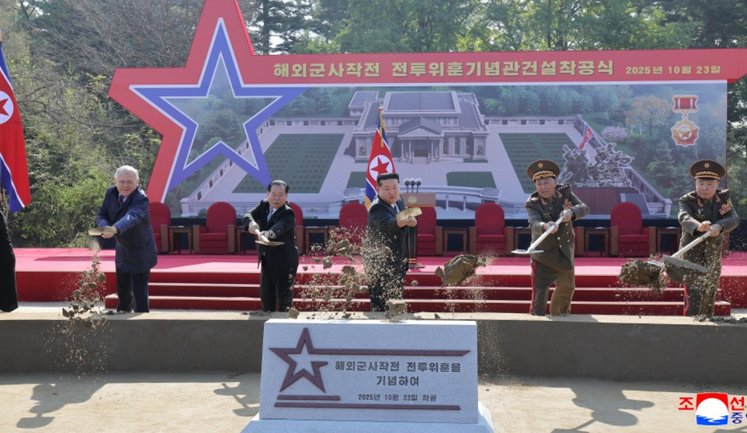
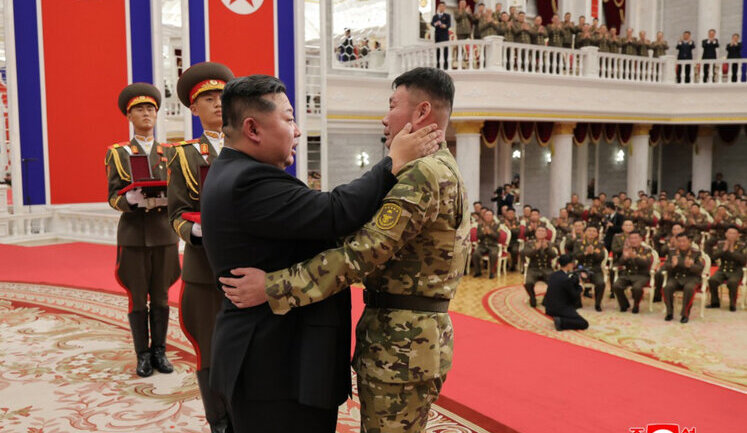
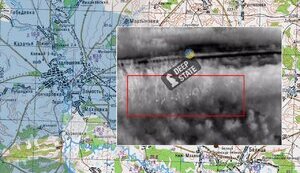
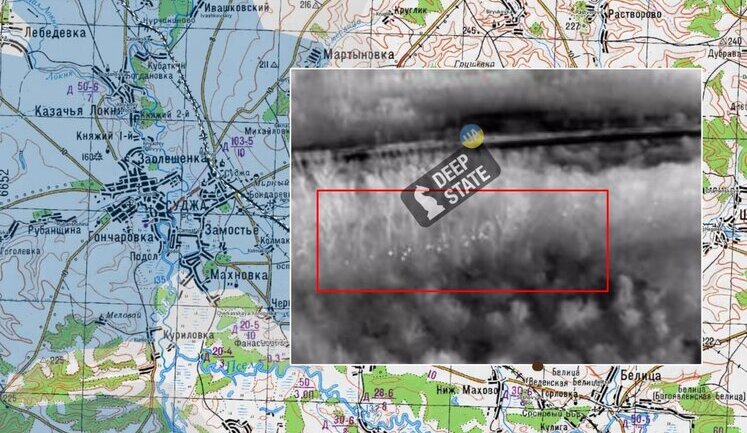
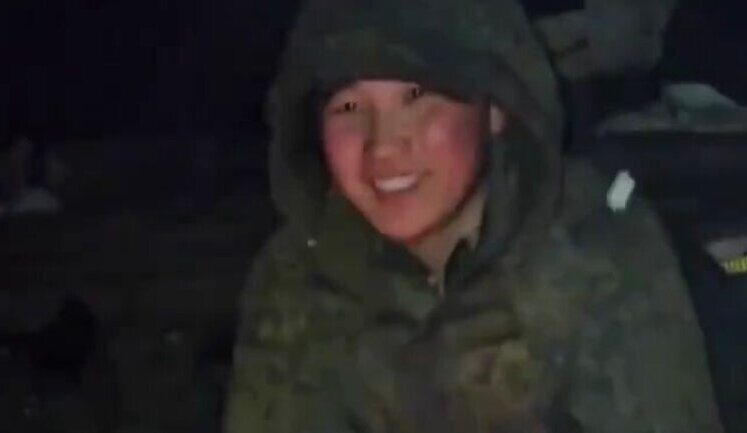
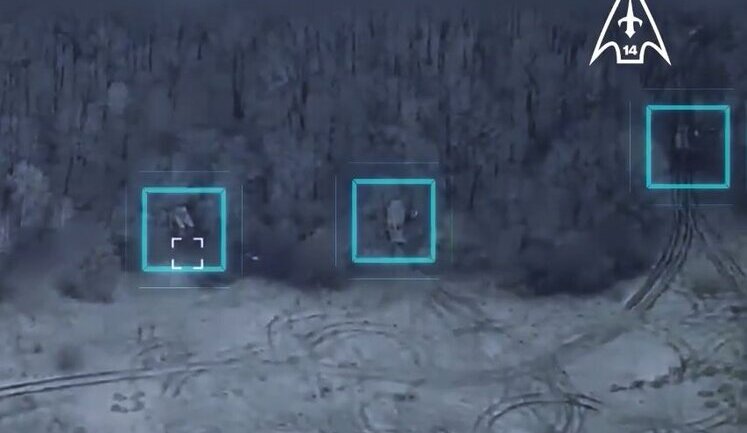
North Korean soldiers have been deployed in the Kursk region of Russia, assisting Russian forces in strikes on Ukraine. British intelligence reports their involvement in reconnaissance and operations targeting Ukraine's Sumy region. Despite international concerns, Kim Jong-un views this as a "brotherly duty." DPRK soldiers have mastered new military tactics and are coordinated with Russian forces. A Pyongyang museum will honor DPRK troops who participated in Kursk fights, reflecting deepening ties between Russia and North Korea. While the DIU does not confirm direct combat involvement, DPRK troops are stationed at bases, potentially escalating the conflict further.
What is the role of DPRK soldiers in the Kursk region?
DPRK soldiers in the Kursk region are reportedly aiding Russian troops with reconnaissance and strikes on Ukraine. They have been learning drone and electronic warfare tactics to support military operations.
Why did North Korea send troops to Russia?
Kim Jong-un has articulated the deployment of North Korean troops to Russia as a "brotherly duty," reinforcing political and military alliances with the Russian Federation amidst international tension.
Are there DPRK troops directly fighting in Ukraine?
Currently, the DIU indicates no direct combat involvement, but reports suggest DPRK soldiers are actively supporting operations from behind the lines, enhancing tactics and logistics in Russia's Kursk region.
What technologies have DPRK troops mastered in Russia?
DPRK troops in the Kursk region have reportedly gained proficiency in using drones and electronic warfare tactics, which enhance their strategic capabilities in the ongoing conflict in Ukraine.
What international reactions have there been to DPRK's involvement?
International reactions are varied, with British intelligence taking note of DPRK's involvement in supporting Russian military efforts. There are growing concerns about the implications for regional stability.
How is North Korea recognizing its soldiers' contributions?
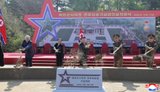
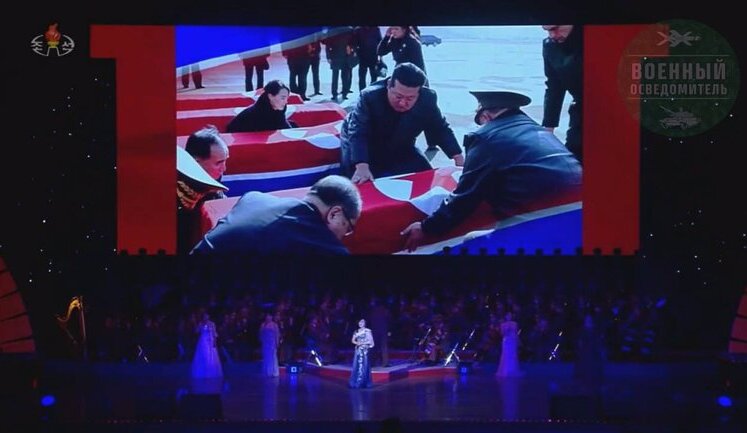
North Korea is building a museum in Pyongyang to honor its troops who fought in Russia's Kursk region. This recognition underscores the strategic military alliance with Russia and highlights their contributed efforts.
What are the implications of DPRK and Russian military collaboration?
The collaboration between DPRK and Russian military forces in the Kursk region signifies a deepening alliance that could shift military dynamics in Eastern Europe, affecting responses from neighboring countries.
Have there been casualties among DPRK forces in the conflict?
Yes, North Korea has publicly acknowledged casualties among its forces involved in the conflict against Ukraine, marking a significant step given the DPRK's usual secrecy about military losses.