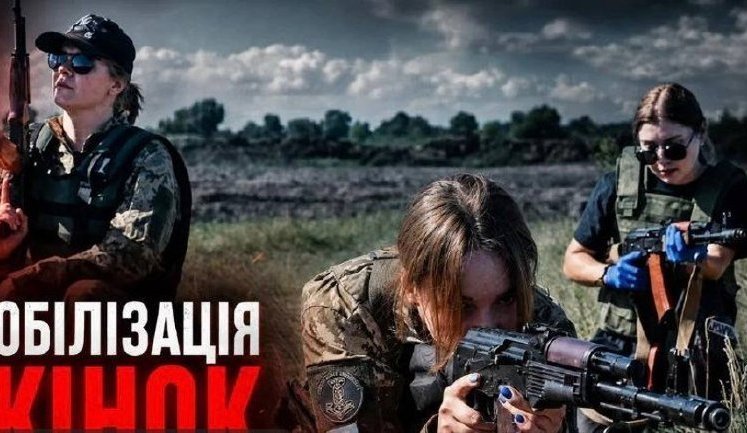
In 2026, the mobilization of women into the Armed Forces of Ukraine (AFU) remains a topic of intense debate. National Guard Commander Oleksandr Pivnenko has stated that the situation at the front does not warrant mandatory mobilization, emphasizing the significant number of women already serving voluntarily. The Ministry of Defense and the Verkhovna Rada confirm no legislative initiatives are being pursued to enforce female conscription. However, voices like former Defense Minister Oleksii Reznikov argue for equal service obligations, drawing parallels to Israel's model. While petitions to mobilize childless women exist, the Rada remains firm on a voluntary stance. This complex issue continues to evoke discussions on gender roles and military necessity.
What is the official stance on mobilizing women in the Ukrainian military?
The official stance in Ukraine is that women are not to be mandatorily mobilized into the Armed Forces. Currently, service for women is entirely voluntary, with no legislative initiatives aimed at changing this framework. Authorities emphasize that many women already serve by choice, reflecting their commitment and capability without enforced conscription.
How has the issue of women’s mobilization been addressed by Ukrainian authorities?
Ukrainian authorities, including the National Guard and Ministry of Defense, have reiterated that there are no plans for mandatory mobilization of women. The Verkhovna Rada has also dismissed rumors about conscription discussions. The focus remains on voluntary service, acknowledging the contributions of women without new legislative measures for compulsory conscription.
What arguments are presented in favor of conscripting women into the Ukrainian army?
Proponents of conscripting women, such as former Defense Minister Oleksii Reznikov, suggest that military service should apply equally to both genders, similar to Israel's model. They argue for equal responsibility in defense duties, highlighting that women are just as capable as men in combat roles, aiming for a fairer distribution of military obligations.
Are there any errors related to women's mobilization in Ukraine?
Yes, technical errors have occurred, such as those involving the "Oberih" system where women were mistakenly placed on wanted lists for evading registration. Such issues have been clarified as technical shortcomings and not indicative of formal mobilization efforts or new policies targeting women for conscription.
Has there been any public support or opposition to women’s mobilization in Ukraine?
Public opinion on women’s mobilization in Ukraine is mixed. While some view it as a necessary step towards equality in national defense, others, including the majority of current Ukrainian officials, hold that conscription should remain voluntary. The debate reflects broader discussions on gender roles within Ukrainian society during wartime.
What are the current recruitment initiatives for women in the Ukrainian military?
The Ukrainian military actively recruits women for various roles, emphasizing voluntary service. Noteworthy initiatives include specialized units such as the Unmanned Systems Forces recruiting for the "Harpies" unit, catering to those women interested in contributing their skills and supporting the military's needs.
How does military service for women in Ukraine compare to that in other countries?
In countries like Israel, mandatory military service includes conscription for women. In contrast, Ukraine maintains a voluntary service policy for women, focusing on encouraging participation rather than enforcing it. This approach underscores respect for individual choice while appreciating the voluntary contributions of women in defense roles.
What petitions have surfaced concerning the mobilization of women in Ukraine?
A recent petition proposed mandatory military service for childless, able-bodied women, advocating for what is seen as an equitable distribution of defense responsibilities. However, this petition has not led to legislative action, with official policies continuing to prioritize voluntary enlistment for women.