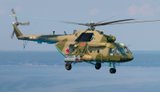
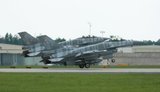
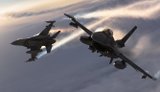
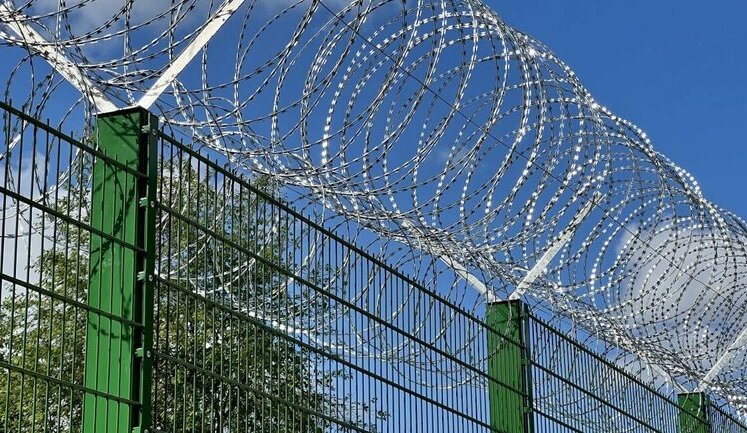
Russian provocations over the Baltics have intensified, with NATO countries increasingly on edge. The Pentagon has advised Baltic states to moderate their statements about the Russian threat to avoid undermining security in the region. Amidst these tensions, Finland has fortified its eastern border to prepare for potential Russian aggression. Poland, meanwhile, has responded robustly to airspace violations by Russian helicopters. Across Eastern Europe, nations are bracing for possible provocations from Russia, which might include the use of Ukrainian drones and other forms of sabotage. NATO's increased air patrols and the response of countries such as the Czech Republic highlight the gravity of the situation.
What are the key Russian provocations over the Baltic states?
Key provocations include violations of airspace by Russian aircraft, threats of sabotage using Ukrainian drones, and increased military posturing in the region. These acts have led to heightened tensions and increased NATO surveillance and readiness along the eastern flank.
How is NATO responding to Russian provocations in the Baltics?
NATO has intensified air patrols over the Baltic states and enhanced its readiness to counter any threats. The alliance is focusing on maintaining stability and supporting member states in deterring potential Russian actions. Simultaneously, individual countries like Poland and Finland are strengthening their security measures.
Why has the Pentagon asked for restraint from Baltic states regarding Russia?
The Pentagon has urged restraint to avoid escalating tensions further, as aggressive rhetoric might undermine collective security efforts. By promoting measured responses, the Pentagon aims to maintain a balanced approach and stabilize the situation without provoking additional confrontations.
What preparations have been made by Baltic states in response to Russian threats?
Baltic states like Estonia, Latvia, and Lithuania are developing evacuation plans and enhancing military defenses. These preparations are in response to increased Russian military spending and provocations, ensuring that they are ready to respond to any potential aggression or large-scale conflict.
Is there an actual military threat from Russia to the Baltic states?
While current intelligence suggests Russia is not preparing to open a new front, its increased provocations and military posturing have raised concerns. Factors like airspace violations and possible sabotage have compelled the Baltic states and NATO to remain vigilant and ready for any eventualities.
How is the international community reacting to provocations over the Baltic region?
The international community, particularly NATO and EU members, has expressed concern over the escalating provocations. They are focusing on diplomacy and military readiness to deter Russian aggression, while ensuring that the sovereignty and stability of the Baltic states are preserved.