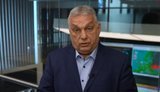
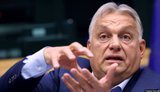
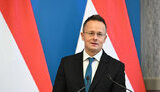
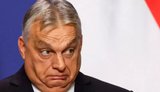
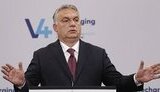
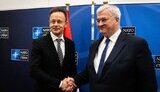
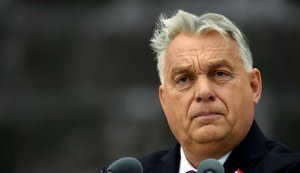
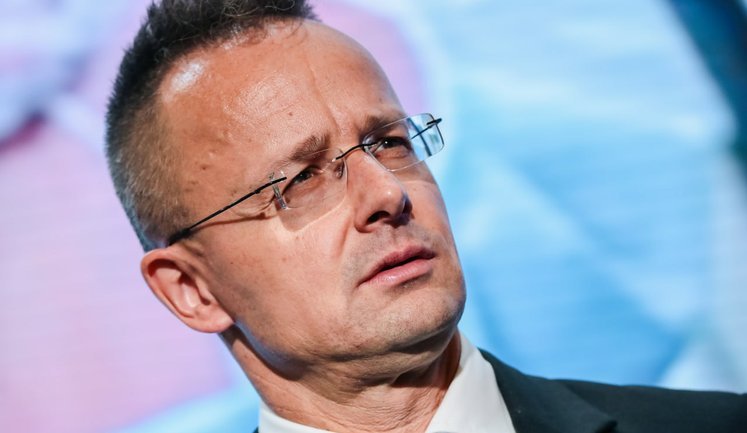
Anti-Ukrainian sentiments in Hungary have intensified, with Prime Minister Viktor Orbán comparing his resistance to Ukrainian and EU pressures to his role in toppling communism. Foreign Minister Péter Szijjártó accused Ukraine of attacking the "Turkish Stream" gas pipeline, while Hungary's Parliament rejected Ukraine's bid for EU membership. Amidst these tensions, Hungary has refrained from halting electricity supplies to Ukraine, despite Orban's proposed "countermeasures." The EU seeks diplomatic solutions to unblock aid for Ukraine, amidst Hungarian declarations of manipulation in economic and political arenas.
What are the recent anti-Ukrainian statements in Hungary?
Recent anti-Ukrainian statements in Hungary involve accusations from Hungarian leaders against Ukraine regarding energy disruptions and political interference. Prime Minister Viktor Orbán emphasizes his resistance to pressures from both Ukraine and the European Union, akin to historical events of overthrowing communism. These declarations mark a significant strain in diplomatic relations.
How has Hungary's Parliament acted against Ukraine recently?
The Hungarian Parliament has taken a notable stance against Ukraine by passing a resolution that rejects Ukraine's membership in the European Union. This act signifies a substantial diplomatic obstacle for Ukraine amid its aspirations to join the EU community and highlights ongoing tensions between Hungary and Ukraine.
What allegations has Hungary made about Ukraine's actions?
Hungary's Foreign Minister Péter Szijjártó has alleged that Ukraine was involved in attacks on the "Turkish Stream" gas pipeline. These accusations add to existing diplomatic tensions, as Hungary continues to express concerns over energy security, citing impacts on its national infrastructure and economic interests.
Are there any countermeasures Hungary plans against Ukraine?
Yes, Hungary has announced plans to implement three countermeasures against Ukraine. These measures are part of a broader strategy to address perceived threats and maintain national security, particularly in response to alleged Ukrainian interference in Hungary's domestic political affairs and energy resource management.
How is the European Union responding to Hungary's stance on Ukraine?
The European Union is actively exploring strategies to diplomatically engage with Hungary. Efforts seek to reconcile differences and encourage Hungary to unblock a significant financial aid package intended for Ukraine. The EU aims to present a "victory" for Hungary's Prime Minister Orbán, potentially easing current tensions and ensuring continued collaboration within the bloc.
What is Ukraine's stance on relations with Hungary?
Ukraine has expressed readiness to maintain relations with any Hungarian government willing to live peacefully with Ukraine, provided they do not align with Russian interests. Ukrainian President Volodymyr Zelenskyy emphasizes the importance of diplomatic engagement while highlighting the need for mutual respect and non-alliance with Russian policies.
Why did Hungary not attend the EU Council meeting in Lviv?
Hungary chose to skip the EU Council meeting in Lviv, citing disagreements over the EU's approach toward Ukraine and the broader regional security policies. This decision reflects Hungary's ongoing reluctance to align with certain EU perspectives on Ukraine, further embodying the current diplomatic rift.
How has the EU criticized Hungary's position on the war in Ukraine?
The European Parliament has criticized Hungary for its perceived supportive stance towards Russia amidst the ongoing war in Ukraine. MEP Kinga Gál from Fidesz called the criticism politically motivated, highlighting Hungary's contentious relations with the EU over aligning with fundamental EU values concerning global conflicts.
What is Hungary's stance on supplying electricity to Ukraine?
Hungary, while implementing strategic countermeasures against Ukraine, has expressed intentions to continue supplying electricity, citing the presence of Hungarian communities in regions affected by any potential cessation. This cautious approach aims to balance national interests with regional stability and community welfare.
Has Hungary accused Ukraine of interfering in its parliamentary elections?
Yes, Hungary has summoned Ukraine's ambassador over allegations of interference in its parliamentary elections, accusing Ukraine of attempting to influence the outcomes to favor opposition candidates. This accusation adds to the ongoing list of grievances and diplomatic challenges between the two nations.