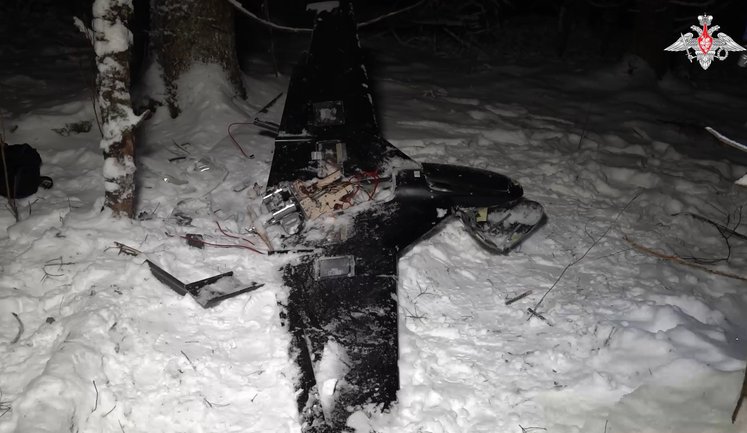
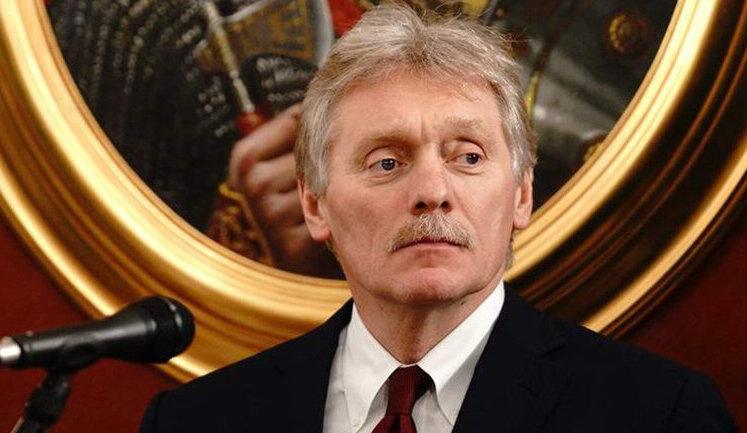
The recent UAV attack on Russian President Vladimir Putin's residence has caused international uproar, with Russia alleging Ukraine's involvement. According to Russia, evidence was presented to U.S. officials; however, both NSA and CIA have denied the credibility of these claims. EU High Representative Kaja Kallas highlighted the need for caution against Russia's alleged misinformation tactics aimed at obstructing peace efforts. Despite the details from Russia's Ministry of Defence and statements from Dmitry Peskov about Russia's tougher stance, Ukrainian President Zelenskyy dismissed the attack as fabricated by Russia to justify aggression against Kyiv. This evolving story continues affecting geopolitical dialogues.
What is the alleged UAV attack on Putin's residence?
Russian authorities claimed that Ukrainian UAVs attacked President Putin's residence, sparking international tension. However, U.S. agencies have refuted the evidence behind these allegations. The situation raises concerns over potential misinformation and its implications on international relations, especially in context of peace talks.
How have U.S. agencies responded to Russia's claims?
The NSA and CIA refuted Russia's allegations of a Ukrainian UAV attack on Putin's residence. They assessed the claims and found them to lack credibility, contradicting the narrative pushed by Russian officials, who presented evidence during meetings with U.S. representatives.
What is the EU's position on the alleged UAV attack?
EU High Representative Kaja Kallas expressed skepticism towards Russia's claims, advising caution. She suggested that Russia's statements might be attempts to derail peace progress by planting misinformation. The EU is watchful of these developments and their impact on international diplomacy.
What has Ukraine's response been to the allegations?
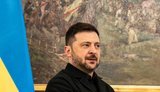
Ukrainian President Zelenskyy has called the UAV attack allegations a Russian fabrication. He argues that Russia is using these claims to justify a harder stance and potential military actions against Ukraine, particularly targeting Kyiv. Zelenskyy asserts the allegations are part of a broader strategy by Russia to disrupt peace initiatives.
What stance has Russia taken after the alleged attack?
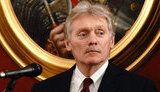
Following the alleged UAV attack, Russian spokesperson Dmitry Peskov announced that Russia would adopt a tougher negotiating position regarding Ukraine. Despite the assertions about evidence of the attack, there has been criticism and skepticism from international agencies and leaders about the legitimacy and motivation behind Russia's claims.