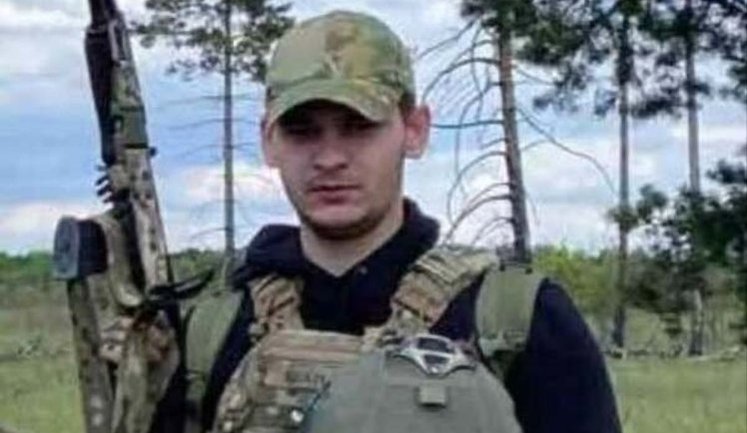
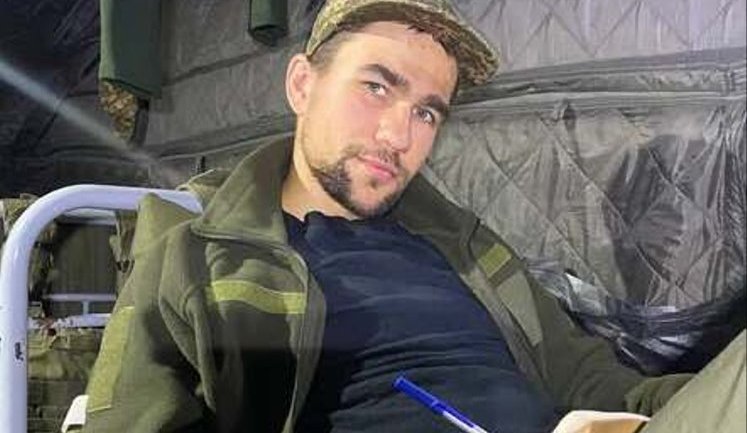
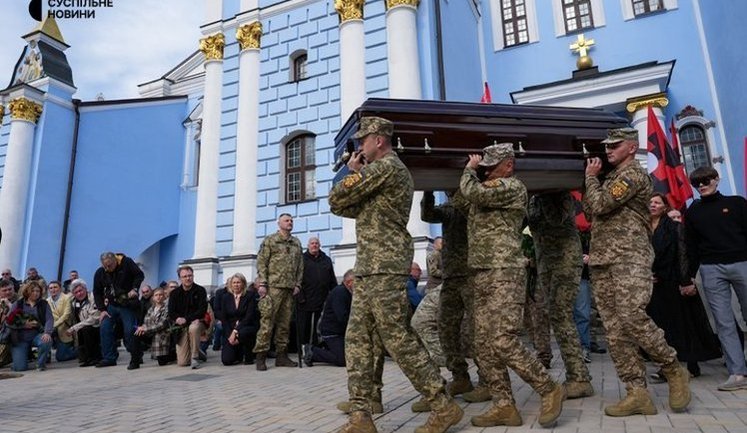
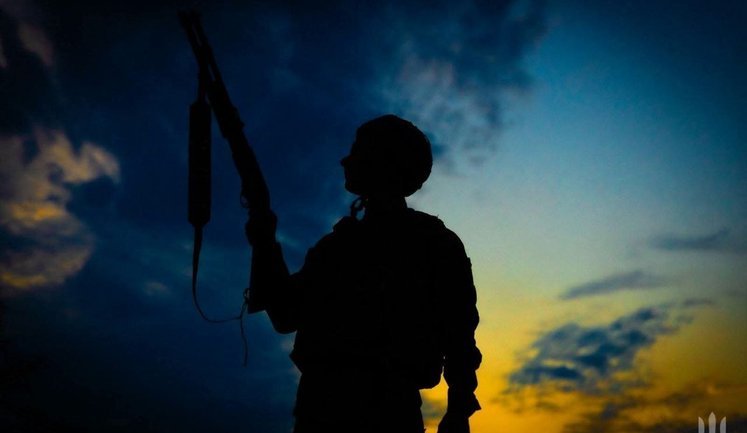
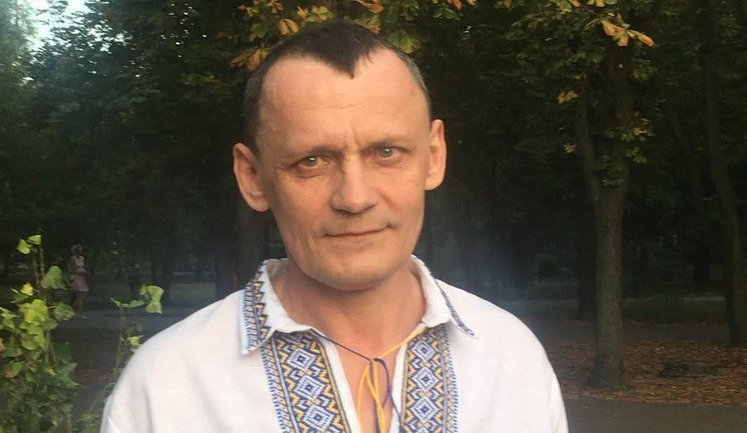
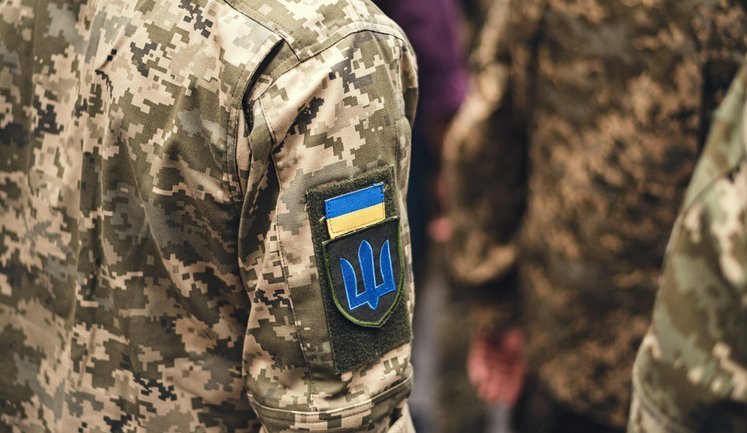
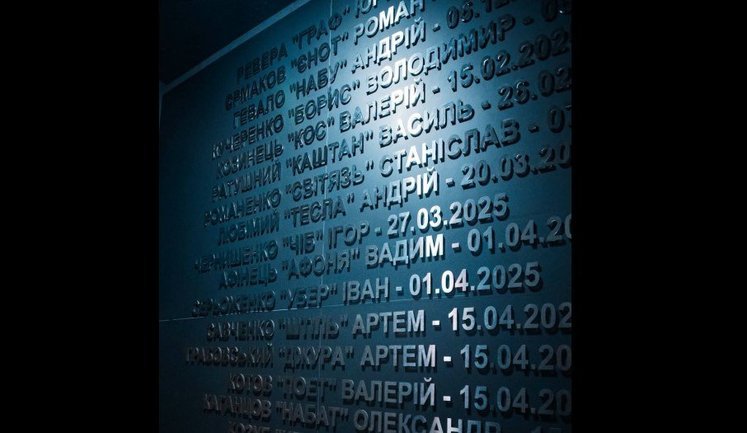
Amidst ongoing conflict with Russia, Ukraine continues to face significant losses. Rescuer Oleksii Stoliarenko tragically died during operations following a Russian strike in Sumy. In Kyiv, a farewell was held for Oleksii Yukov, a devoted search and recovery specialist for fallen soldiers. Additionally, Oleh Kotov, a former captive of Russia, passed away due to health complications upon return. President Zelenskyy reported Ukraine's military losses at 50,000, with 400,000 wounded. Tragically, two gas service workers and volunteer unit servicemen like Valerii Shcheholskyi and Yevhen Bushmakin also lost their lives due to continued aggression. Explosive incidents, such as the Mi-8 helicopter mission in Poltava, leading to the crew's death, highlight the extreme dangers faced by Ukrainian forces. As Ukraine bears these heavy human costs, international attention remains focused on potential strategies to alleviate this humanitarian crisis.
What impact do human losses have on Ukraine's defense efforts?
Human losses severely impact Ukraine's defense efforts by reducing manpower, affecting morale, and potentially weakening strategic capabilities. The loss of experienced military personnel and critical civilian contributors such as rescue workers also undermines operational effectiveness. Ongoing losses strain resources and necessitate rapid adaptation in defense strategies, all while dealing with the emotional burden and societal impact of these tragedies.
How significant are Ukraine's current military losses?
Ukraine's current military losses are significant, with the President reporting around 50,000 soldiers lost and 400,000 wounded. This substantial figure reflects both the intensity and duration of the conflict with Russia. Such losses not only diminish the country's military strength but also highlight the brutal cost of the ongoing war in human terms, underscoring the urgent requirement for strategic support and reinforcement from international allies.
What are the humanitarian implications of civilian casualties in Ukraine?
The humanitarian implications of civilian casualties in Ukraine are profound, impacting families, communities, and the broader social fabric. Civilian deaths increase psychological trauma and instability, exacerbating humanitarian needs. These losses disrupt daily life, result in significant population displacement, and create a continuous state of mourning and fear among the affected population, demanding concerted international humanitarian support.
How are fallen soldiers and civilians honored in Ukraine during the ongoing conflict?
Fallen soldiers and civilians in Ukraine are honored through ceremonies and tributes that underscore respect and gratitude for their sacrifices. Funerals such as those at St. Vladimir's Cathedral exemplify the reverent commemoration of individuals who contributed significantly to the defense effort. Communities, organizations, and media channels also play crucial roles in remembering and honoring their legacies, reinforcing national solidarity and resilience.
Why is there an increasing death toll among volunteers in Ukraine?
The increasing death toll among volunteers in Ukraine can be attributed to the intensified war efforts requiring diverse contributions from both nationals and international volunteers. These individuals often find themselves on the front lines, fulfilling critical roles in defense, logistics, and humanitarian assistance under dangerous conditions. Their involvement highlights the collective commitment to Ukraine's sovereignty but also underscores the high risks faced in voluntery defense roles.
What measures are taken to identify and repatriate fallen soldiers in Ukraine?
Efforts to identify and repatriate fallen soldiers in Ukraine involve specialized search and recovery teams that focus on exhumation, identification, and formal return processes. These task forces coordinate with government and military entities to ensure dignified handling and communication with families. Ceremonial farewells and dedicated teams like 'Platsdarm' exemplify Ukraine's commitment to honoring those who sacrificed their lives in defense of their country.
How does the loss of cultural sites affect Ukraine amid the war?
The loss of cultural sites critically affects Ukraine's cultural heritage, identity, and tourism potential. Damage to monuments and museums represents not only physical destruction but also the erasure of historical narratives and national pride. Such losses complicate post-war reconciliation and rebuilding efforts, necessitating focused cultural preservation and international support to ensure recovery and protection of Ukraine's rich cultural legacy.
What psychological impact does the war have on Ukrainian society?
Psychologically, the war inflicts pervasive trauma across Ukrainian society. Constant exposure to violence, loss, and displacement results in widespread mental health challenges, including anxiety, depression, and PTSD. Families and communities cope with grief and fear daily, creating a pressing need for mental health support services. Such widespread psychological distress may also affect social cohesion and the nation's broader post-war recovery and reconciliation processes.
How does the international community assist Ukraine in facing these losses?
The international community assists Ukraine by providing humanitarian aid, military support, and diplomatic backing. Nations have deployed resources and manpower to help with logistics, medical assistance, and peacekeeping missions. International NGOs and agencies deliver food, shelter, and psychological support to affected civilians, while advocacy for Ukrainian sovereignty remains strong in international forums, emphasizing global solidarity against the aggressor.