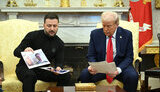
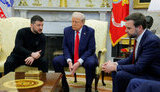
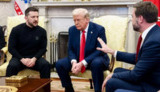
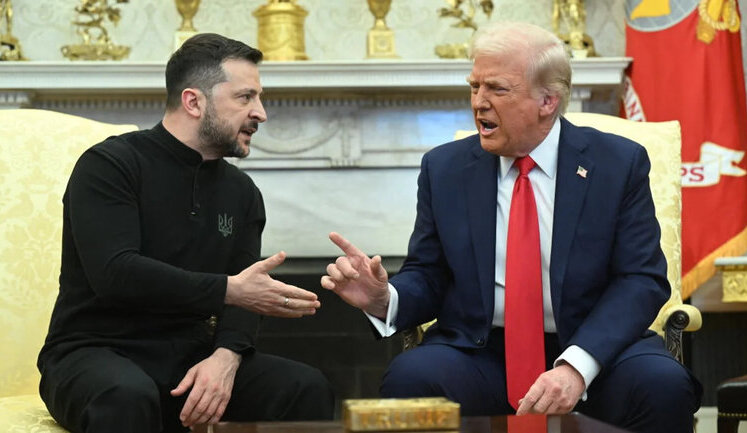
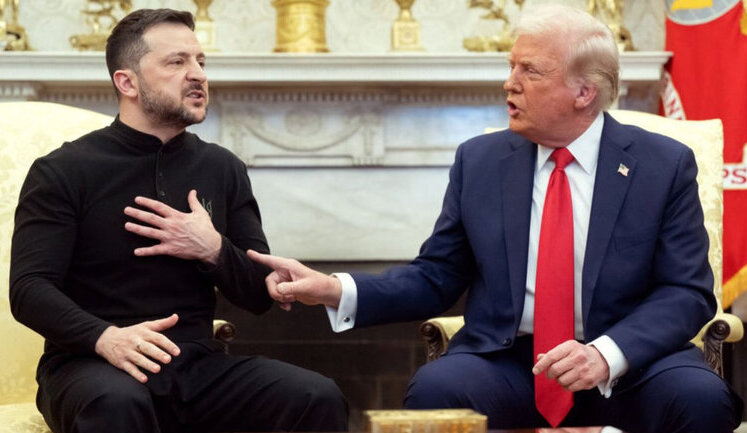
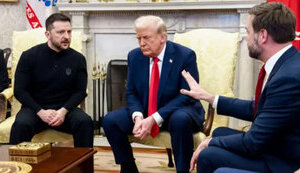
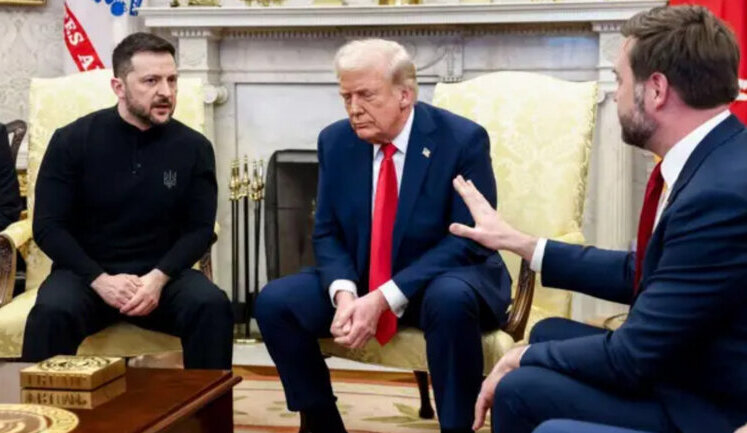
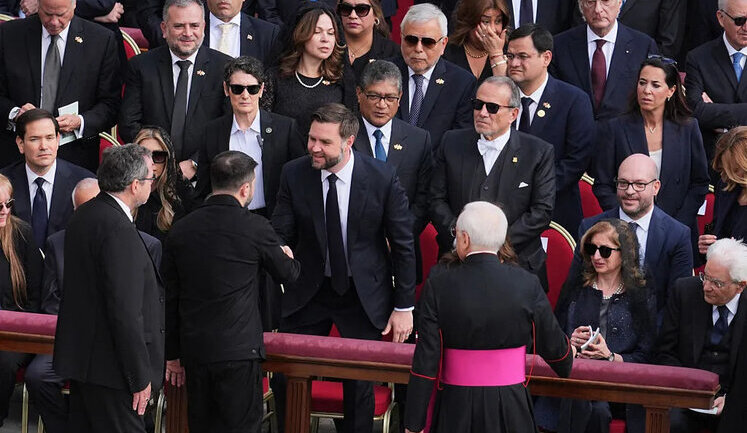
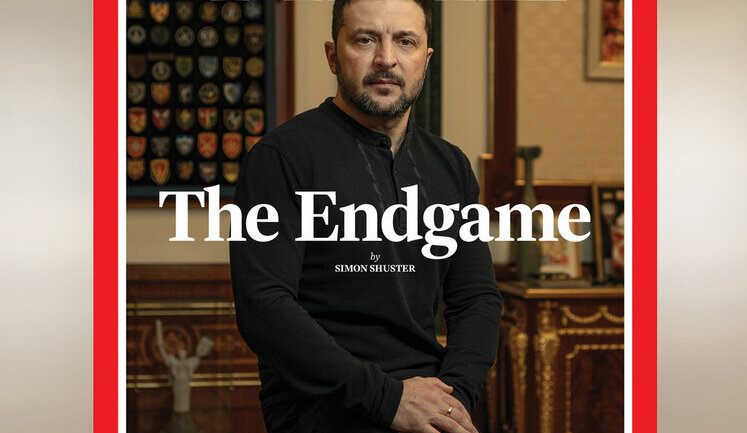
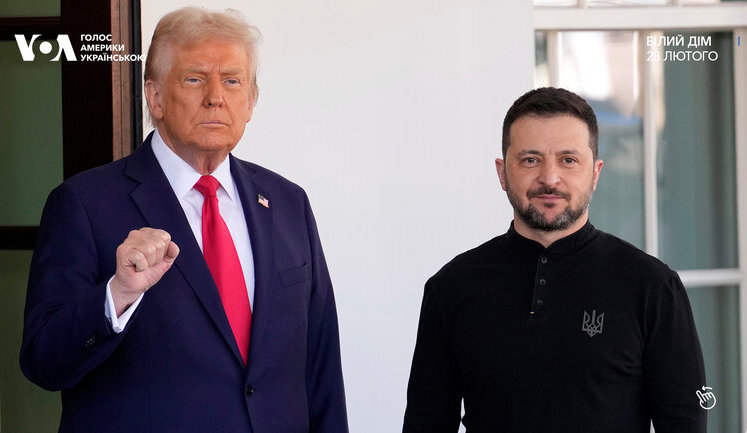
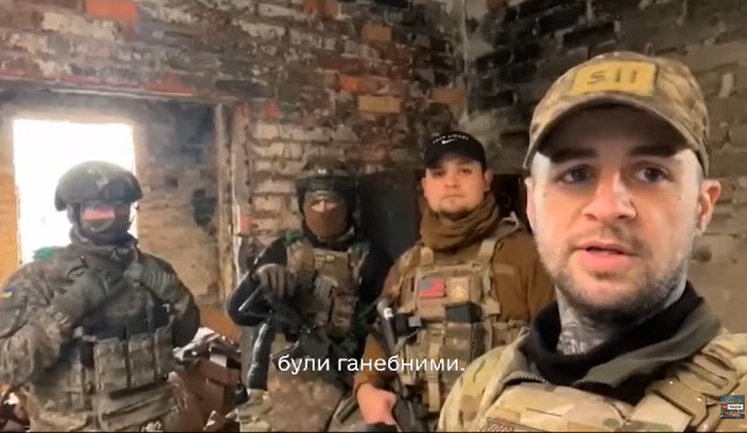
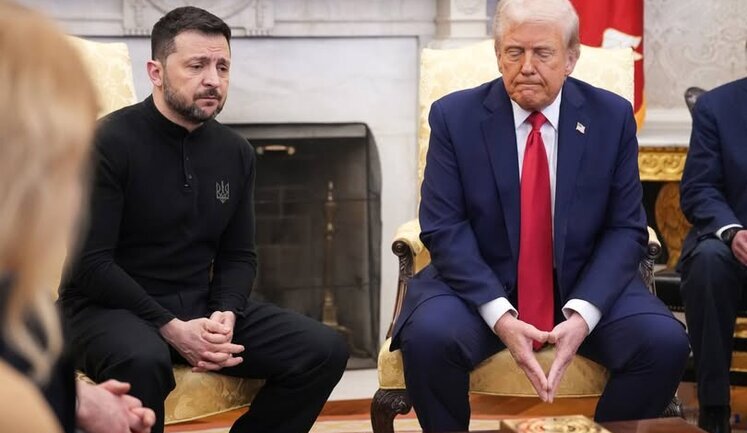
The ongoing Trump-Zelenskyy dispute has amplified tensions between the US and Ukraine, with significant international implications. US Vice President J.D. Vance described the February 2025 White House encounter as "useful" for highlighting bilateral differences, while Ukrainian President Volodymyr Zelenskyy lamented the missed opportunity for diplomatic progress. European leaders have been actively urging Zelenskyy to mend ties with Trump to ensure continued support. The disagreement has sparked a range of responses, from American volunteers criticizing Trump's stance to European leaders advocating for reconciliation. As the world watches, both nations are under pressure to navigate this diplomatic crisis and find common ground. The focus now shifts to potential negotiations and resolutions to stabilize their relationship.
What was the main issue in the Trump-Zelenskyy dispute?
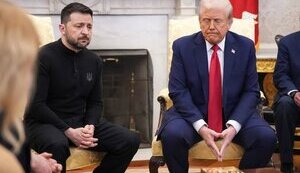
The main issue in the Trump-Zelenskyy dispute arose from their meeting at the White House in February 2025, where disagreements over military aid and diplomatic strategies became evident. Zelenskyy presented sensitive issues, including the situation of Ukrainian soldiers captured by Russia, which strained the dialogue further. Their differing approaches to securing US support for Ukraine during the ongoing conflict heightened tensions.
How did Vice President Vance view the dispute's impact?
US Vice President J.D. Vance considered the dispute as "useful" for bringing US-Ukraine differences to the forefront. He believed it highlighted important areas needing cooperation and understanding between the two nations. Vance's comments suggest that despite the tension, the incident served as a catalyst for reevaluating diplomatic priorities and potential changes in strategies that could benefit both countries.
What are European leaders suggesting regarding the dispute?
European leaders, including British Prime Minister Keir Starmer and French President Emmanuel Macron, are encouraging Ukrainian President Volodymyr Zelenskyy to improve relations with US President Donald Trump. They believe this is crucial for maintaining strong international alliances and ensuring continued support for Ukraine amidst its ongoing war with Russia. Their advice reflects a broader concern for stability and unity among allied nations.
What has been Trump's reaction to the White House meeting?
US President Donald Trump's reaction to the meeting with Zelenskyy reflected dissatisfaction with their discussions. Trump emphasized the importance of Ukraine aligning with US expectations for effective cooperation. His administration has hinted at increased pressure on Ukraine to conclude peace deals, while discussions about restarting military aid remain conditional on diplomatic progress and perceived willingness from Ukraine to compromise.
How has the dispute affected US-Ukraine military aid?
The dispute has complicated the continuation of US military aid to Ukraine. The Trump administration signaled a potential pause, tying future assistance to Zelenskyy's diplomatic moves and alignment with US interests. Despite these challenges, intelligence sharing continues, highlighting nuanced cooperation even amidst political tensions. Restoring full military support hinges on rebuilding trust and mutual understanding between both countries.
What role does international opinion play in the dispute?
International opinion significantly influences the dynamics of the Trump-Zelenskyy dispute. Global leaders' pressures for reconciliation reflect concerns over geopolitical stability and alignment against common adversaries like Russia. Criticism from international figures and organizations underscores the broader implications of strained US-Ukraine relations, urging both nations to consider the dispute's global context and potential long-term impacts on international cooperation.
What did Zelenskyy bring to the White House meeting?
During his February 2025 visit to the White House, Ukrainian President Volodymyr Zelenskyy presented Donald Trump with a significant gift, the belt of world heavyweight boxing champion Oleksandr Usyk, alongside photos of Ukrainian soldiers captured by Russia. These gestures aimed to highlight Ukraine's struggles and encourage US empathy and support. However, the meeting's outcome suggested these efforts fell short amidst political tensions and differing priorities.
What are the broader implications of the dispute on international relations?
The Trump-Zelenskyy dispute's broader implications for international relations include potential shifts in alliances and diplomatic strategies. The incident underscores the complex dynamics of balancing national interests with global cooperation. It highlights the challenges of maintaining cohesive international support for Ukraine amidst its conflict with Russia and emphasizes the delicate nature of diplomatic engagements in achieving peace and stability on the world stage.
How does the European Union view the Trump-Zelenskyy dispute?
The European Union views the Trump-Zelenskyy dispute with concern, noting its potential to disrupt transatlantic relations and cooperation against Russian aggression. EU leaders emphasize the importance of a unified stance and are actively encouraging reconciliation to preserve regional stability. The EU advocates for diplomatic resolutions that strengthen alliances and ensure ongoing support for Ukraine's sovereignty and territorial integrity.
What are the potential outcomes if the dispute remains unresolved?
If the Trump-Zelenskyy dispute remains unresolved, potential outcomes could include prolonged diplomatic strain and reduced military and economic support for Ukraine from the US. It might embolden adversaries like Russia, complicating peace efforts and impacting regional security. Continued tension could force Ukraine to shift its diplomatic strategies and seek alternative alliances to sustain its defense and economic stability amidst ongoing conflict.