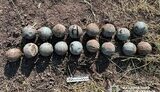
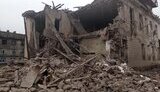
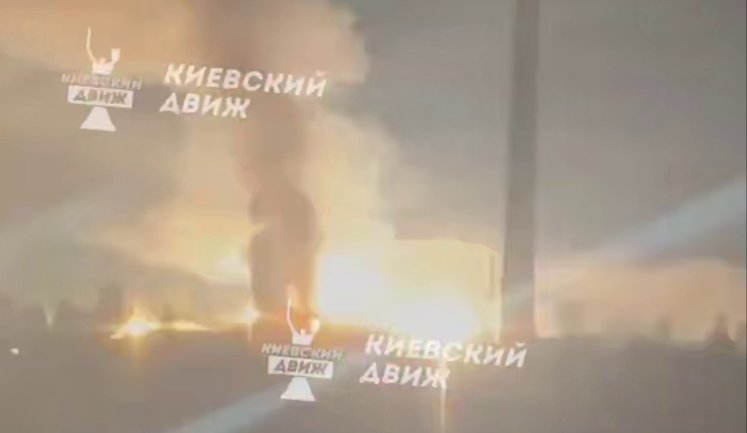
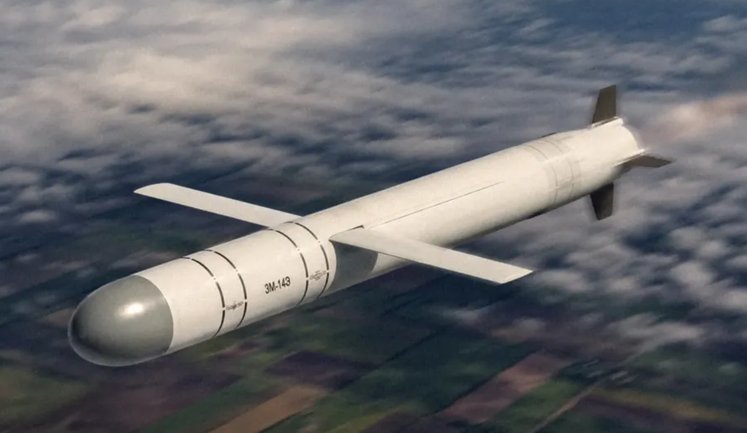
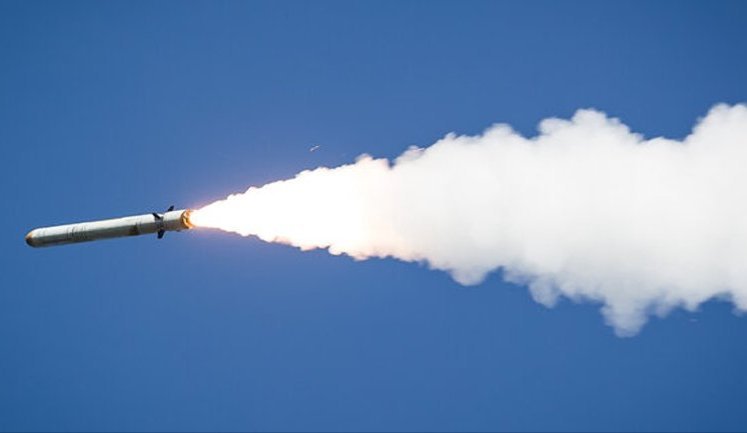
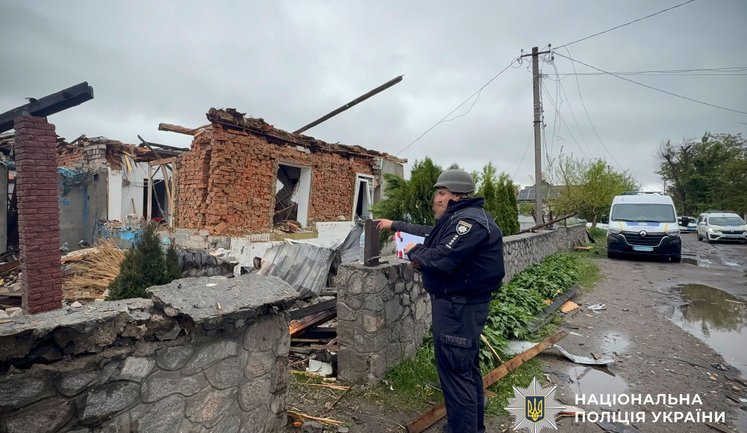
The use of cluster munitions in the ongoing Ukraine conflict remains a contentious issue, with significant implications for international relations and military tactics. Recently, a video captured the moment a missile with cluster munitions struck Kyiv, raising alarms about the weapons' devastating impact. The Ukrainian Ministry of Defence has identified changes in Russian "Kalibr" missiles, now equipped with such warheads. Incidents of unexploded munitions in regions like Poltava and Sumy highlight the lingering threat to civilians. Internationally, the use of these munitions continues to stir debate and concern, with countries like Canada opposing their provision to Ukraine, while others justify their use against concentrated enemy forces.
What are the potential dangers of cluster munitions?
Cluster munitions pose significant risks due to their ability to disperse multiple small explosives over a wide area. Unexploded submunitions can remain a threat long after conflict ends, endangering civilians and complicating recovery efforts. Their usage in populated areas in Ukraine has resulted in civilian casualties and significant infrastructure damage, prompting global debates on their human cost and legality.
How has Ukraine responded to Russia's use of cluster munitions?
Ukraine has condemned Russia's use of cluster munitions, emphasizing the indiscriminate harm they cause. Ukrainian forces have also utilized cluster munitions, focusing on military targets to leverage their tactical advantages. The situation is monitored closely by international observers, as Kiev faces pressure to adhere to humanitarian guidelines while countering Russian aggression.
What has been the international response to the use of these weapons in Ukraine?
The international community is divided over the use of cluster munitions in Ukraine. While the US has provided these munitions to support Ukrainian defense efforts, countries like Canada have opposed their use, citing humanitarian concerns. The controversy underscores the balance between strategic military objectives and adherence to international humanitarian laws.
Why does Russia continue to deploy cluster munitions in Ukraine?
Russia employs cluster munitions in Ukraine to maximize area-targeting capabilities and disrupt Ukrainian defensive positions. Despite widespread condemnation, Moscow denies using these weapons, attributing the reports to misinformation. The Kremlin asserts that its military strategies are within legal bounds, a stance many international entities contest given the ground realities and evidence of civilian impact.
How do cluster munitions impact civilian life in conflict zones like Ukraine?
Cluster munitions significantly increase the risks faced by civilians in conflict zones, like Ukraine. The inherent design disperses explosives widely, often striking beyond intended military targets and leaving unexploded remnants. These remain dangerous for years, hindering post-conflict recovery and posing enduring threats to civilian safety and regional development efforts.