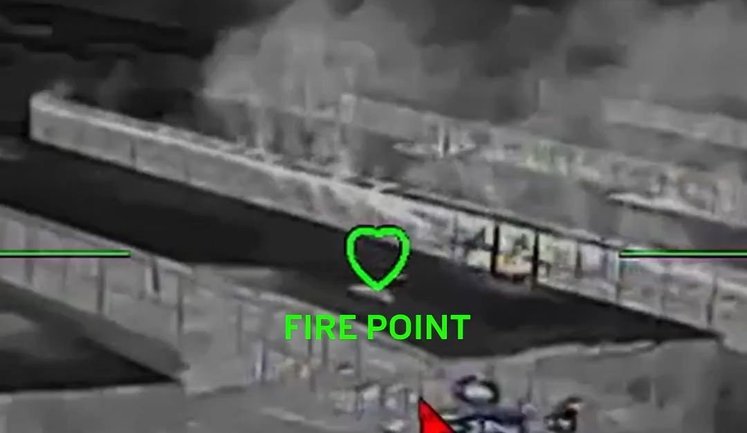
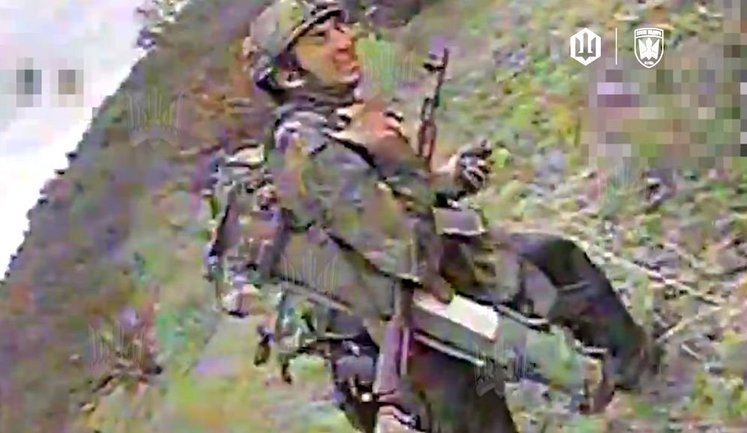
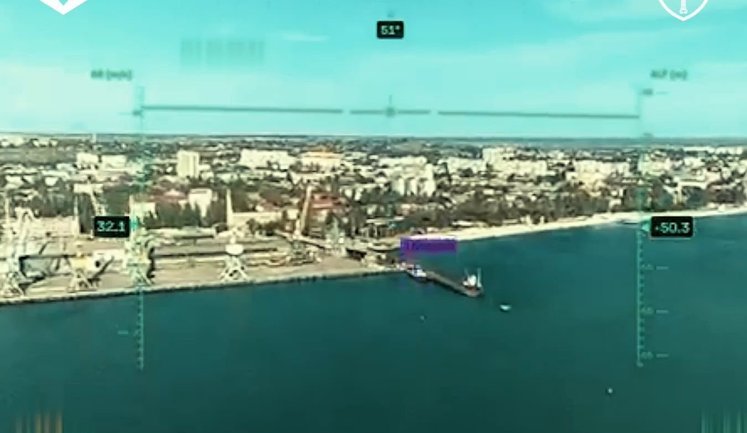
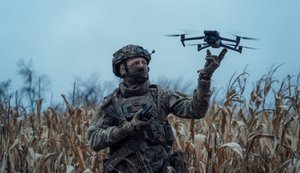
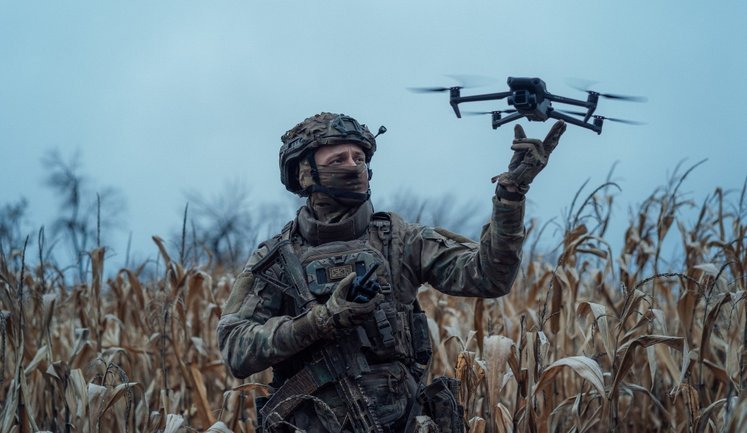
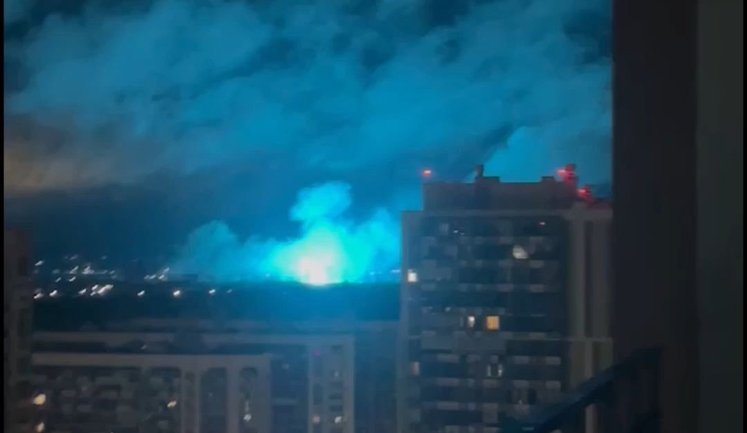
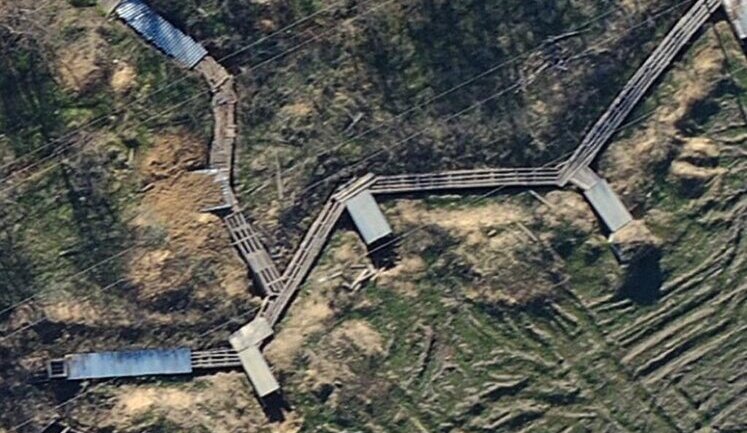
The Unmanned Systems Forces have significantly impacted Russian operations, targeting logistical hubs, military sites, and energy infrastructure. Recently, SIGNUM battalion intercepted 14 Russian UAVs, disabling key resources. Operations like "Crimean Switch Off" and "MoLoChKa" have effectively disrupted Russian supply lines and naval capabilities in the Black and Azov Seas. Commander Madyar highlighted the elimination of 10,000 occupiers in September, emphasizing the UAV systems' strategic importance. Delays in funding slow potential increases in strike frequency, indicating the need for expedited support to maintain momentum.
How have the Unmanned Systems Forces impacted the Russian military?
The Unmanned Systems Forces have conducted operations that significantly disrupted Russian military logistics, striking power substations and naval vessels, affecting both energy supply and military mobility. These efforts have led to increased Russian casualties and the destruction of strategic military equipment.
What is Operation "Crimean Switch Off"?
Operation "Crimean Switch Off" is a strategic campaign by the Unmanned Systems Forces targeting power stations in Crimea and temporarily occupied territories, aiming to disrupt energy infrastructure and weaken Russian operational capabilities in these regions.
What notable achievements have the SIGNUM operators accomplished?
SIGNUM operators have made significant contributions by intercepting 14 Russian UAVs and targeting logistics networks in Donbas. Their precise strikes have disabled crucial radar systems and contributed to Ukraine's strategic advantage in the conflict.
Why are the Unmanned Systems Forces' operations significant in this conflict?
The operations by the Unmanned Systems Forces are critical for their ability to engage in tactical strikes that target and disable high-value military assets of the Russian Federation, including logistics, air defense systems, and naval vessels, which significantly hinders the advancement and replenishment of enemy forces.
What have been the key outcomes of drone warfare by Ukraine?
Ukrainian drone warfare, led by the Unmanned Systems Forces, has resulted in the destruction of essential Russian logistics, significant energy infrastructure disruption, and the elimination of a high number of military personnel, enhancing Ukraine's defensive and offensive operations overall.
How is funding affecting the Unmanned Systems Forces' operations?
Funding delays have hindered the potential expansion of the Unmanned Systems Forces' operations. Despite their success, timely financial support is crucial for sustaining and scaling up efforts to inflict further strategic damage on Russian military capabilities.
What role does technology play in the Unmanned Systems Forces' success?
Technology, particularly advancements in unmanned aerial systems, plays a pivotal role in the success of the Unmanned Systems Forces. It allows precision targeting and real-time reconnaissance, crucial for executing effective strikes deep behind enemy lines, and ensuring tactical superiority.
How have operations like 'MoLoChKa' affected Russian naval capabilities?
Operation 'MoLoChKa' has struck and disabled 300 vessels of Russia’s 'shadow fleet' in the Black and Azov Seas, significantly degrading the Russian naval capabilities and disrupting supply routes, which are critical for maintaining prolonged military campaigns in the region.