ENG




11567 visitors online
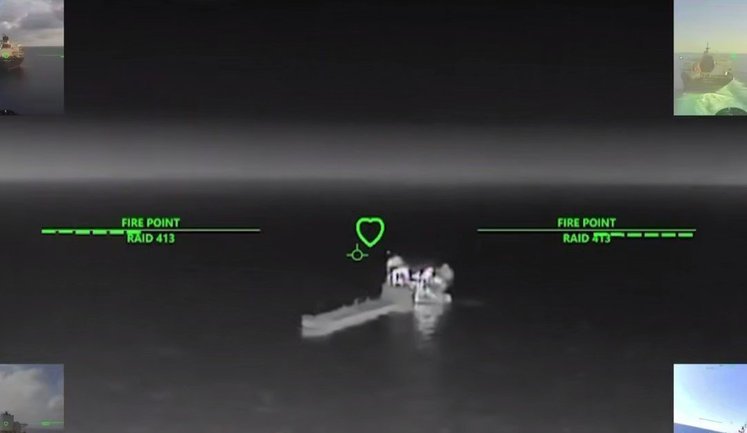
The Unmanned Systems Forces (USF) of Ukraine have made significant advancements in their operational capabilities, focusing on strategic strikes across occupied regions. In recent weeks, USF has targeted logistics and energy infrastructures, including key facilities in Crimea and southern Ukraine. These operations, such as the destruction of Russian logistics equipment by the 413th "Raid" Regiment and the impairment of energy nodes and military airfields, have been instrumental in destabilizing enemy resources. Despite challenges, USF continues to implement long-range drone operations, enhancing their tactical reach in both responsive and preemptive strikes against critical Russian military assets. As Ukraine advances its unmanned capabilities, these operations are pivotal in shaping the regional power dynamics.
What is the role of the Unmanned Systems Forces in Ukraine’s defense strategy?
The Unmanned Systems Forces (USF) play a critical role in Ukraine's defense strategy by conducting targeted operations using drones. These operations focus on disrupting critical enemy infrastructure, logistics, and military assets in occupied regions, aiming to reduce the adversary's operational capabilities while enhancing Ukraine’s tactical advantage.
How have the Unmanned Systems Forces targeted Russian infrastructure?
The USF have strategically targeted essential Russian infrastructure through precision drone strikes. Key targets include energy nodes, military logistics, and air defense systems. These efforts aim to disrupt supply chains and weaken the enemy's defense systems, thus impeding their ability to sustain operations in contested regions.
What impact have the USF operations had on the conflict in Ukraine?
Operations by the USF have had a significant impact on the conflict by effectively weakening enemy logistical and energy capabilities. Strikes on critical facilities in Crimea and occupied territories have disrupted supply lines and degraded the enemy's operational capacity, thus tipping the strategic balance in favor of Ukraine.
How does the USF increase the effectiveness of their drone operations?
The USF increases the effectiveness of their drone operations through coordinated strikes, advanced reconnaissance, and the integration of long-range drone capabilities. These measures allow for precise targeting and continuous pressure on enemy resources, maximizing operational efficiency and impact on the field.
What challenges do the Unmanned Systems Forces face in their operations?
The USF face challenges such as funding delays, complex terrain, and evolving enemy countermeasures. Despite these hurdles, their adaptive strategies and advanced technology continue to uphold operational success, demonstrating resilience and effectiveness in complex combat scenarios.
News Unmanned Systems Forces
 SIGNUM drone operators struck 23 logistics targets belonging to occupiers in Donbas, including tractor-trailer carrying tank. VIDEO Pilots from the SIGNUM battalion of the 59th Brigade of the Unmanned Systems Forces carried out a series of strikes against the logistics networks of the Russian occupiers in the temporarily occupied territory of Donbas. 1 596 1 Previously in trend: Destruction of Russian equipment Strikes on Russian logistics
 Operation "Crimean switch off": further 38 power substations have been struck in Russia and temporarily occupied territories. VIDEO Unmanned aerial systems struck 38 power stations within the Russian Federation and in the temporarily occupied territories. 3 492 7 Previously in trend: Attacks on Crimea
 300 vessels of Russian ’shadow fleet’ have been struck in Black and Azov Seas, – Madyar. VIDEO As part of Operation ‘MoLoChKa’, Ukraine’s unmanned systems forces have struck and disabled 300 vessels belonging to Russia’s ‘shadow fleet’ in the Azov and Black Seas over the course of 11 weeks. 1 417 1 Previously in trend: Russia’s shadow fleet Results of Unmanned Systems Forces units’ operations
 Ukrainian pilots set up ambush using drone carrying explosives and blew up group of six Russian soldiers. VIDEO Pilots from the Unmanned Systems Forces used a drone pre-positioned with explosives to ambush a group of Russian infantry. 10 020 8 Previously in trend: Elimination of Russian occupying forces
 SIGNUM pilots flew 120 km behind enemy lines and struck Russian "Nebo-M" radar system worth $100 million. VIDEO Operators from the SIGNUM unit of the 59th Brigade, in conjunction with the First Separate Air Defence Centre, struck a Russian ‘Nebo-M’ radar station with an estimated value of around $100 million. 3 916 5 Previously in trend: Destruction of Russian equipment
 Operation "PPOpad-2026": 300 Russian air defence systems destroyed, – Madyar. VIDEO As part of Operation ‘PPOpad-2026’, 300 Russian air defence systems have been hit or destroyed. 3 077 6 Previously in trend: Results of Unmanned Systems Forces units’ operations
 Pilots of 429th "ACHILLES" Brigade strike Nebo-M radar near Millerovo: drone covers 175 km. VIDEO Ukraine’s Defense Forces struck a Russian Nebo-M radar station near the Millerovo military airfield in Russia’s Rostov region. 1 851 0 Previously in trend: Destruction of Russian equipment Drone attack on Russia
 USF have eliminated ’hero of Russia’, General Grunis, – Madyar. VIDEO Soldiers from the Unmanned Systems Forces have eliminated Russian General Anton Grunis. 17 825 41 Previously in trend: Elimination of Russian occupiers
 Russian Federation losses in September rose by 25% compared to August, - USF Commander Madyar During the first 15 days of September, the Unmanned Systems Forces confirmed the loss of 6,280 Russian soldiers—25.6% more than during the same period in August. 1 279 11 Previously in trend: Enemy losses
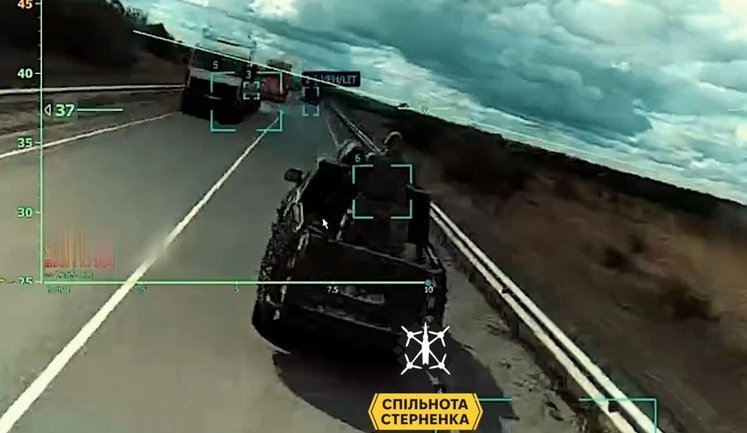
 Operators from 413th "Raid" Regiment destroyed seven pieces of logistical equipment deep behind enemy lines. VIDEO Operators from the 413th Independent ‘Raid’ Unmanned Systems Regiment struck Russian logistics targets in the Zaporizhzhia region. 3 089 1 Previously in trend: Destruction of Russian equipment Fightings in the Zaporizhzhia direction Strikes on Russian logistics
 34 Russian energy facilities were struck by USF in occupied territories during first week of September, – Madyar. VIDEO Soldiers from the Unmanned Systems Forces struck 34 energy facilities in the temporarily occupied territories during the first week of September. 2 147 9 Previously in trend: Attacks on Crimea
 Operators from 422nd "Luftwaffe" Regiment struck gas pipeline supplying Russian military’s generators. VIDEO Operators from the 422nd ‘Luftwaffe’ Unmanned Systems Regiment struck a gas pipeline in the temporarily occupied south of Ukraine, which was supplying fuel to the Russian military’s generators. 4 104 7 Previously in trend: Strikes on Russian logistics
 Ukrainian drone is meticulously ’inspecting’ body of recently neutralised invader. VIDEO A video has been published online showing the successful completion of a combat mission to neutralise yet another Russian invader. 5 029 7 Previously in trend: Elimination of Russian occupying forces
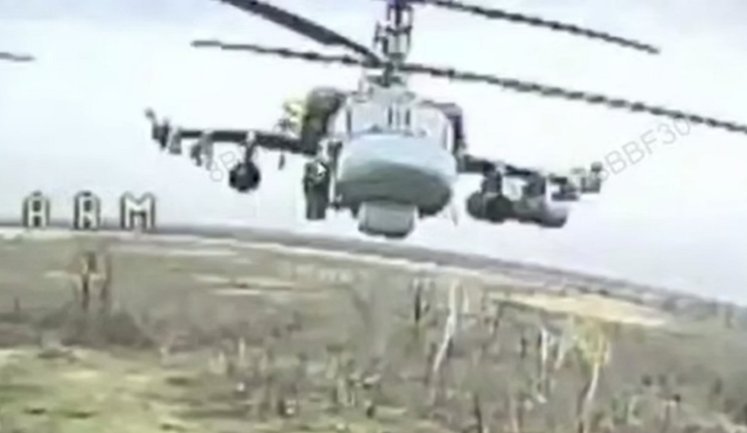
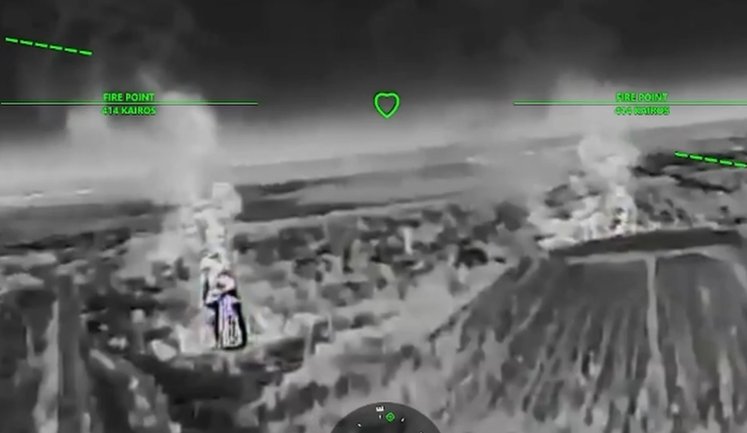
 Russians deployed attack helicopter during strike on Ryazan oil refinery, but drones reached their target. VIDEO On the night of 6 September, operators from the 1st Separate Air Defence Centre and the 414th Separate Brigade ‘Madyar’s Birds’, together with other units of the Ukrainian Defence Forces, struck the Ryazan Oil Refinery. 10 409 6 Previously in trend: UAV attack on oil refinery of Russia
 USF struck "Pantsir" system, four radar stations, and warehouses at Yeysk and Millerovo airfields, - Madyar The Unmanned Systems Forces reported that eight targets at the Yeysk and Millerovo military airfields in Russia had been struck. As a result of the night-time operation, a ‘Pantsir-S1’ air defence system, four radar stations, depots for aviation weapons and ammunition, and a technical and... 2 385 6 Previously in trend: Destruction of Russian equipment
 USF hit 21 energy nodes and Luhansk TPP – Madyar. VIDEO The Unmanned Systems Forces struck 21 energy nodes and a thermal power plant in the occupied territories. 2 899 20 Previously in trend: Attacks on the energy sector
 Operators of 413th Raid Regiment strike occupiers’ command posts and deployment site in Donetsk and Luhansk regions. VIDEO During combat operations on 24 and 25 August, operators of the 413th Raid Regiment of the Unmanned Systems Forces struck a number of important enemy military targets in the temporarily occupied territories of Donetsk and Luhansk regions. 1 317 1 Previously in trend: Elimination of Russian occupying forces
 Newly formed groupings of forces led by Prokopenko and Biletskyi will be fully synchronised with USF – Madyar Commander of the Unmanned Systems Forces Robert (Madyar) Brovdi commented on the creation of two new groupings of forces in the Donetsk region, which will be led by Heroes of Ukraine Denys Prokopenko and Andrii Biletskyi. 13 976 5 Previously in trend: Situation in the Donetsk region
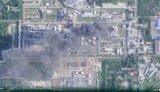 Aftermath of strike on gas and condensate processing unit at Russia’s Afipsky refinery. SATELLITE IMAGES Satellite images showing the aftermath of an overnight strike by Ukraine’s Defence Forces on the Afipsky Oil Refinery have been published online. 2 780 6 Previously in trend: UAV attack on oil refinery of Russia
 Unmanned Systems Forces strike rocket fuel plant, MiG-29 and Arkhangel military UAV school. VIDEO The Unmanned Systems Forces of the Armed Forces of Ukraine struck a number of enemy military facilities at operational and strategic depth. 3 832 40 Previously in trend: Destruction of Russian equipment Results of Unmanned Systems Forces units’ operations
 Su-33 and MiG-29 aircraft, S-400 air defence system position in Gelendzhik and elements of enemy’s air defence have been struck, – Madyar. VIDEO Unmanned aerial systems have struck three enemy aircraft – a Su-33, a MiG-29 and an ‘Orion’ strike and reconnaissance aircraft. In addition, Russian air defence systems have come under attack. 14 448 34 Previously in trend: Destruction of Russian equipment Russia lost aircraft
 Further 27 energy facilities in occupied territories, including in Crimea, have been struck, - Madyar. VIDEO As part of Operation ‘Crimean Circuit Breaker Off’, unmanned aerial systems have struck a further 27 power substations in occupied Crimea and in the temporarily occupied territories in the south. 3 303 17 Previously in trend: Attacks on the energy sector Attacks on Crimea
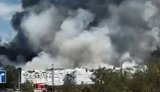 Burning Ozon warehouse in Samara region following an attack by USF using strike drones. VIDEO A video has been posted online showing residents of the Samara Region driving past the damaged Ozon marketplace logistics warehouse. 7 171 19 Previously in trend: Strikes on Russian logistics
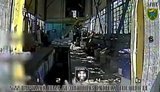 422nd Regiment operators used kamikaze drone to blow up Russian drone operators’ base from inside. VIDEO Operators of the 422nd Luftwaffe Unmanned Systems Regiment destroyed a base used by Russian drone operators, along with the enemy’s equipment and materiel. 4 713 10 Previously in trend: Destruction of Russian drones
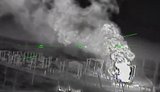 Further 29 energy facilities have been hit in occupied territories, including in Crimea, – Madyar. VIDEO As part of Operation ‘Crimean Circuit Breaker Off’, unmanned aerial vehicle forces have struck a further 29 power substations in the occupied territories of the Donetsk, Zaporizhzhia and Luhansk regions, and in Crimea. 3 821 19 Previously in trend: Attacks on the energy sector Attacks on Crimea
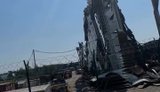 Russian woman showed destroyed Wildberries warehouse in Elektrostal: "It’s mind-boggling. Look, lorries over there have burnt out too". VIDEO A video has been posted online showing a Russian woman filming the remains of a destroyed Wildberries warehouse in Elektrostal, Russia. 8 442 17 Previously in trend: Strikes on Wildberries
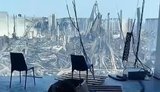 Russian man showed aftermath of strike on Wildberries warehouse in Tula region: "It’s f#cking scary to approach there". VIDEO A ruscist has shown the aftermath of a Ukrainian drone strike on a Wildberries warehouse in the Tula region. 11 011 26 Previously in trend: Strikes on Wildberries
 Wildberries’ new logistics hub has been hit in Voronezh, and more than 40 facilities in occupied Crimea have come under attack, - Madyar Unmanned systems forces struck the Wildberries logistics hub in Voronezh, Russia, as well as energy facilities in occupied Crimea. 4 145 18 Previously in trend: Drone attack on Russian regions
 SIGNUM pilots identified launch site of occupiers’ UAVs and destroyed reconnaissance and strike drones. VIDEO Pilots from the SIGNUM battalion of the 59th Brigade of the Unmanned Systems Forces identified the launch site of the occupiers’ UAVs and destroyed the enemy’s reconnaissance and strike drones. 3 112 1 Previously in trend: Destruction of Russian drones
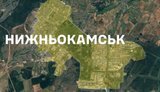 Unmanned aerial systems struck large ’TANECO’ oil refinery in Tatarstan. VIDEO Unmanned aerial systems struck the TANECO oil refinery in Nizhnekamsk, Republic of Tatarstan. 7 045 18 Previously in trend: Drone attack on Russian regions UAV attack on oil refinery of Russia Results of Unmanned Systems Forces units’ operations
USF could increase its strikes on Crimea sevenfold, but funding delays are preventing this, - Madyar The Ukrainian military could carry out significantly more strikes against Russian military targets in Crimea if funding from Western partners were to arrive more quickly. 4 296 73 Previously in trend: Attacks on Crimea Strikes on Wildberries
 S-400 air defense system in Gelendzhik and three ships of Russian shadow fleet in Black Sea were hit, - Madyar Unmanned systems forces struck several Russian air defense units and three vessels of the Russian Federation’s shadow fleet in the Black Sea. 5 150 24 Previously in trend: Destruction of Russian equipment
 Since start of August, USF has struck 12 vessels of Russian Federation’s ’shadow fleet’ in Black and Azov Seas," - Madyar. VIDEO Since the beginning of August, the Unmanned Systems Forces have struck 12 vessels belonging to the Russian ‘shadow fleet’ in the Black and Azov Seas. 1 994 7 Previously in trend: Russian vessel hit
 Unmanned Systems Forces hit FSB base in Kherson region, 10 energy nodes and over 100 other targets behind Russian lines. VIDEO The Unmanned Systems Forces’ successful operation behind Russian lines is continuing. Over 48 hours, Ukrainian operators carried out a series of strikes on the enemy’s military and energy infrastructure. 1 977 2 Previously in trend: Destruction of Russian equipment Attacks on Crimea Results of Unmanned Systems Forces units’ operations
 Since early August, USF has struck more than 11,000 Russian targets, and Russian casualties have exceeded 2,000, - Madyar During the first six days of August and the morning of August 7, the Unmanned Systems Forces destroyed and struck more than 11,000 enemy targets, while Russian troop casualties exceeded 2,000. 439 0 Previously in trend: Destruction of Russian equipment Elimination of Russian occupying forces
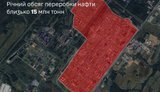 USF struck one of Russia’s largest oil refineries – Yaroslavl Oil Refinery. VIDEO Unmanned systems forces are continuing the DeepStrike campaign against critical targets within Russia’s military-industrial infrastructure. 4 402 21 Previously in trend: Drone attack on Russian regions UAV attack on oil refinery of Russia
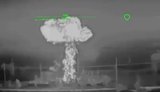 13 power substations in TOT were struck by USF within 48 hours, – Madyar. VIDEO Unmanned systems forces continue to strike energy infrastructure in the occupied territories. Between 4 and 5 August, 13 targets were attacked. 1 320 6 Previously in trend: Occupied territories - Crimea and Donbas Attacks on the energy sector
 Drone operators from SIGNUM battalion destroyed four of occupiers’ artillery pieces in Lyman sector. VIDEO Operators from the SIGNUM battalion of the 59th Brigade of the Unmanned Systems Forces carried out effective strikes against Russian artillery in the Lyman sector. 762 1 Previously in trend: Destruction of the occupiers’ firing positions Hostilities in Lyman sector
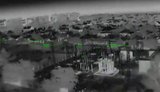 USF struck 10 energy facilities in occupied Crimea and TOT of Donetsk Oblast. VIDEO Unmanned aerial systems struck 10 energy facilities in the occupied territories. 1 699 2 Previously in trend: Attacks on Crimea
 Residents of Samara Region in Russian Federation are posting footage showing smoke from burning Wildberries warehouse blanketing entire towns. VIDEO A video has been published online showing residents of the village of Novosemeykine in the Samara Region of the Russian Federation demonstrating the aftermath of a fire at the Wildberries marketplace’s logistics centre. 32 761 45 Previously in trend: Results of Unmanned Systems Forces units’ operations Strikes on Russian logistics
 Operation ’Crimean Circuit Breaker’: in 72 hours, USF struck 13 energy hubs, – Madyar. VIDEO Between 1 July and 2 August, units of the Ukrainian Armed Forces’ Unmanned Systems Forces struck 177 energy infrastructure targets in the temporarily occupied territories of southern Ukraine. 8 647 24 Previously in trend: Attacks on Crimea Results of Unmanned Systems Forces units’ operations
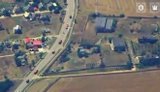 "Madyar’s Birds" struck convoy of Russian petrol tankers in occupied Zaporizhzhia, – USF. VIDEO A unit of the Ukrainian Armed Forces’ Unmanned Systems Forces struck a convoy of Russian military vehicles in the temporarily occupied territory of Zaporizhzhia Oblast. 12 777 19 Previously in trend: Results of Unmanned Systems Forces units’ operations
USF birds hit over 53 thousand targets in July: only 5% of hits fell on deep rear of Russian Federation, - Madyar. INFOGRAPHICS The commander of the Ukrainian Armed Forces’ Unmanned Systems Forces, Robert Brovdi Madyar, summarized the results of operations for July 2026, emphasizing that the vast majority of combat missions are carried out not deep behind Russian lines, but directly near the front lines. 1 798 10 Previously in trend: Elimination of Russian occupiers Results of Unmanned Systems Forces units’ operations
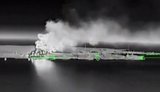 USF struck boat base in Crimea, 30 air defense units, and "Shahed" launch site, - Madyar The AFU’s unmanned systems forces unit carried out strikes on a number of Russian military targets, including a base for unmanned naval vessels in the temporarily occupied Crimea, five air defense sites, and a launch site for Shahed attack drones at Donetsk Airport. 3 962 4 Previously in trend: Attacks on Crimea Striking Russia
 Following strikes on Wildberries’ warehouses, Russian woman is whingeing and begging for her goods to be bought up urgently. VIDEO A video has been posted online in which a Russian woman urges residents of the Russian Federation to buy up her stock as a matter of urgency due to attacks on Wildberries’ logistics warehouses. 20 074 30 Previously in trend: Results of Unmanned Systems Forces units’ operations Strikes on Russian logistics
 Operators of 422nd Unmanned Systems Regiment and SSU Alpha special forces smash weapons depots of 57th Brigade of Russian Armed Forces. VIDEO Operators of the 422nd Luftwaffe Unmanned Systems Regiment, together with special forces from the SSU’s Special Operations Centre "A", conducted an operation to destroy weapons depots belonging to the 57th Motorised Rifle Brigade of the Russian Armed Forces. 2 763 3 Previously in trend: Destruction of Russian equipment
 USF struck 164 energy targets belonging to occupiers in Crimea and TOT - Madyar. VIDEO Ukrainian drone operators continue to systematically destroy the energy infrastructure of the Russian invaders in the occupied territories. 1 379 1 Previously in trend: Occupied territories - Crimea and Donbas Attacks on the energy sector
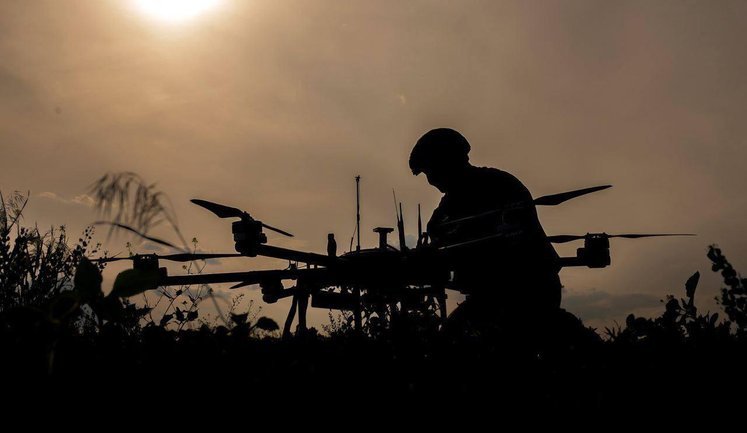
 "Birds of Magyar" preparing new long-range strikes against Russian military targets – Unmanned Systems Forces. PHOTOS The Unmanned Systems Forces of the Armed Forces of Ukraine have announced a new series of strikes against Russian military facilities. Long-range drones operating in the enemy’s operational depth are already being prepared for combat deployment. 2 758 4 Previously in trend: Striking Russia
Page 1 of 10
more news