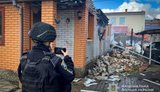
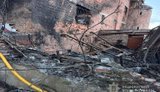
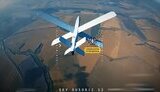
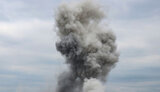
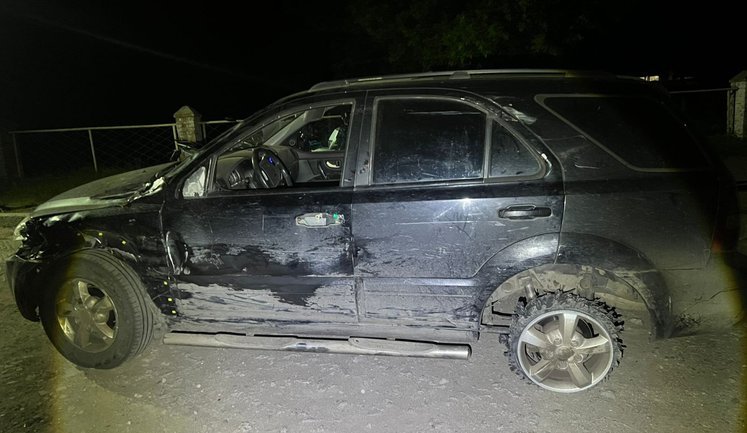
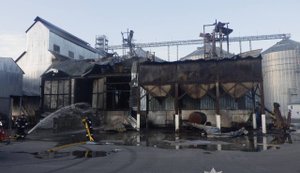
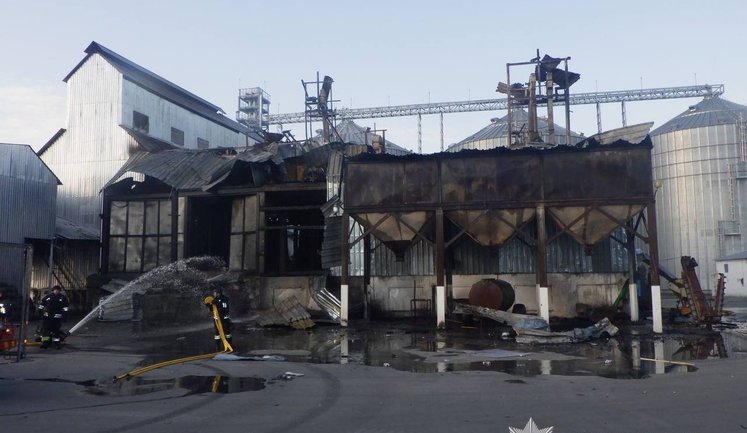
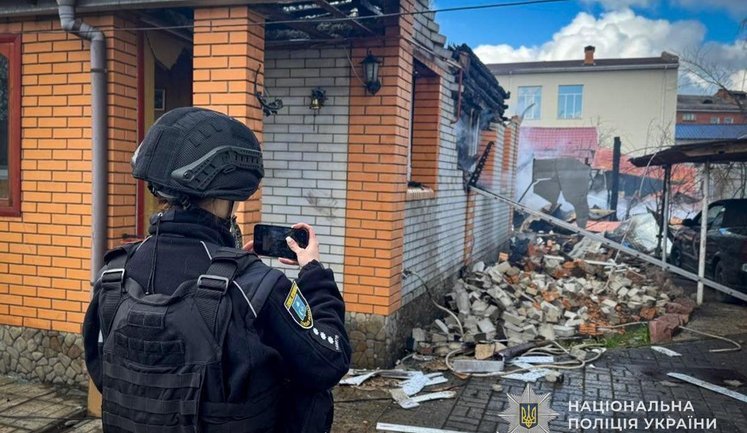
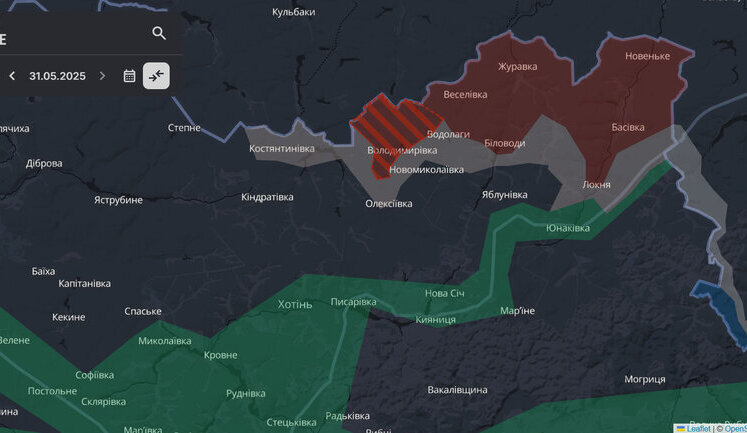
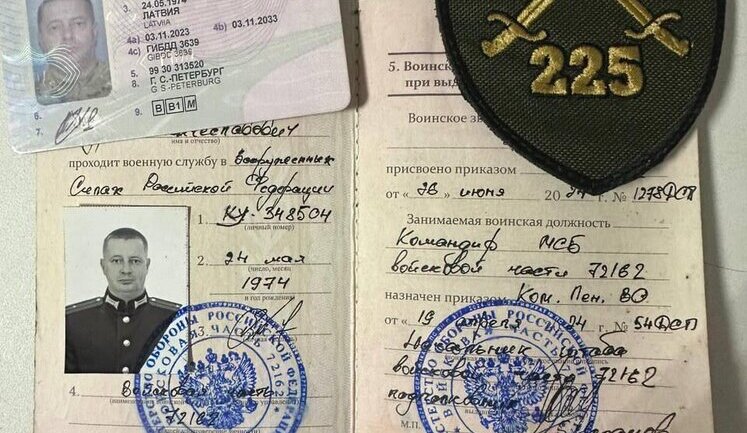
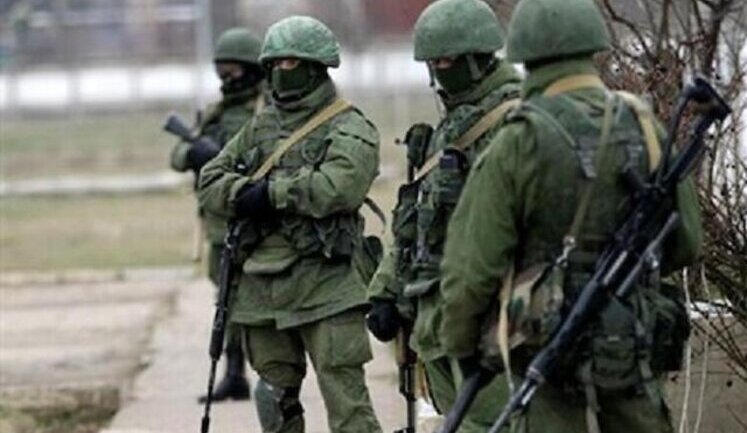
The Romenskyy district of Sumy region in Ukraine is facing a series of intensified attacks from Russian forces, with drone and missile strikes causing significant damage and injuries. Recent events include an attack on Nedryhailiv village, where three people were injured by drones, and increased Lancet drone strikes on Romny district. These attacks have heightened tensions in the region, as Russian forces continue to exert military pressure and expand their operations, creating a challenging environment for local communities. The situation remains critical, affecting both civilians and infrastructure significantly.
What recent events have occurred in Romenskyy district, Sumy region?
Recent events in the Romenskyy district, Sumy region, include a series of Russian drone and missile attacks. These have caused injuries among civilians and significant damage to infrastructure, highlighting the tense military situation.
How has the use of drones affected the Romenskyy district?
The use of drones, such as Lancet drones, by Russian forces has intensified in the Romenskyy district. This has resulted in increased attacks, causing injuries and amplifying the dangers for both civilians and local infrastructure.
What impact have the attacks had on the civilian population?
The attacks in the Romenskyy district have severely impacted the civilian population, with injuries reported and damage to homes and enterprises. These disruptions have added to the already challenging living conditions amid ongoing conflict.
What is the military situation in the Sumy region?
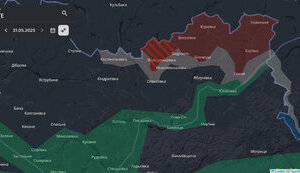
The military situation in the Sumy region remains difficult, with Russian forces exerting continuous pressure and expanding their area of operations. The region has seen various incursions and attacks targeting multiple districts.
What measures are being taken to address the security threats in Sumy region?
Measures to address security threats in Sumy region involve strengthening military defenses and coordinating efforts to mitigate the impact of Russian attacks. However, the region continues to face a high level of threat requiring constant vigilance.