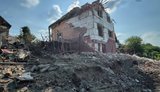
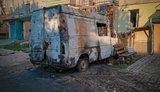
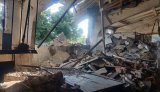
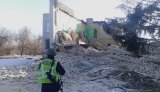
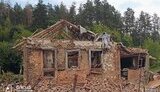
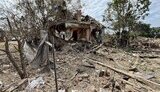
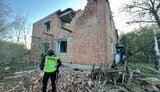
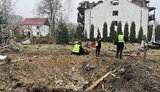
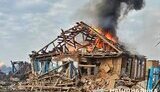
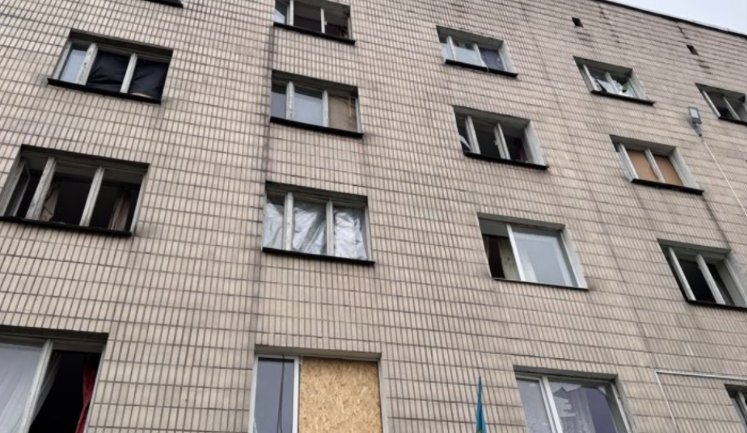
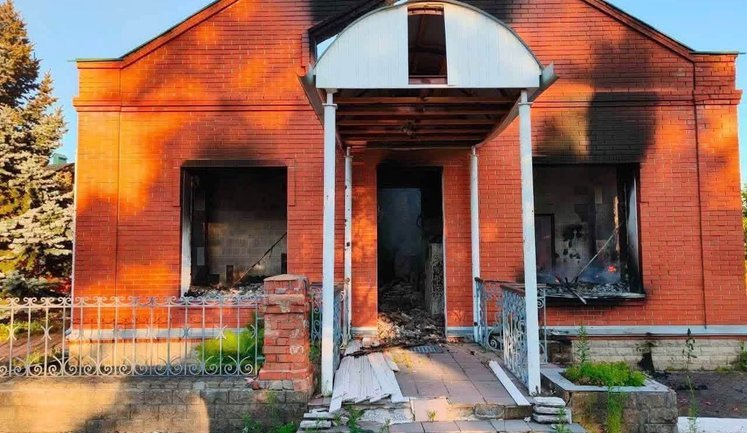
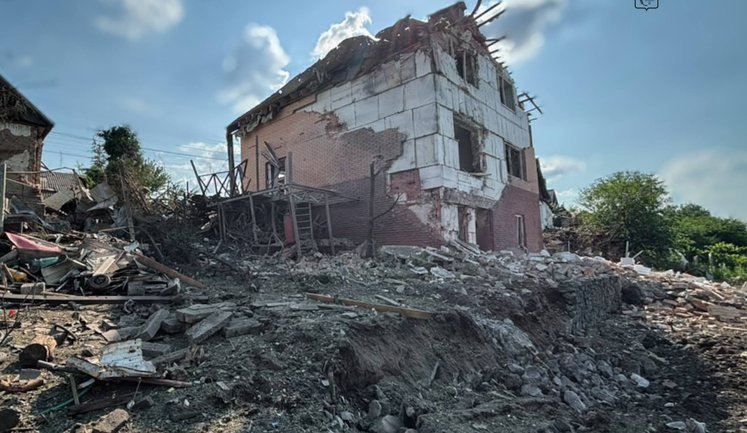
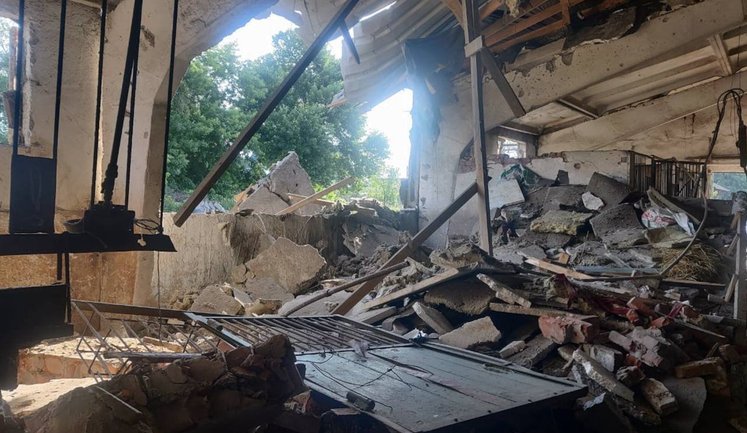
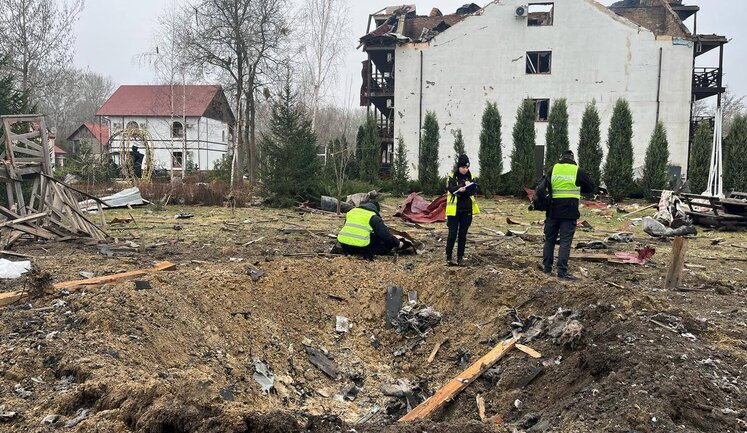
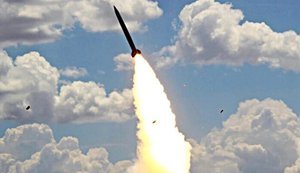
The Sumy region in Ukraine continues to face significant challenges due to ongoing attacks. On Christmas night, a Russian missile strike on Trostianets highlighted the persistent threat to this area. With damage reported to civilian infrastructure and injuries to residents, the reality of conflict is ever-present. On October 22, 12 civilians were wounded, as Russian shelling targeted Sumy and Shostka districts, damaging homes and essential infrastructure. Additionally, Russian forces have repeatedly targeted medical and civilian infrastructure, causing substantial harm and disruptions. Efforts to restore services, like gas supply in Shostka, demonstrate resilience amidst adversity. These attacks underscore the ongoing humanitarian and infrastructural toll on the Sumy region.
What recent events have occurred in the Sumy region?
Recent events in the Sumy region include a missile strike on Trostianets on Christmas night, which resulted in injuries and infrastructure damage. Additional shelling and attacks on civilian areas have led to multiple injuries and destruction of property in the wider region.
How are the attacks affecting civilians in Sumy?
Civilians in the Sumy region are significantly affected by these attacks, experiencing injuries, loss of property, and disruptions in essential services like gas supply. The ongoing conflict has a profound impact on their daily lives and safety.
What infrastructure has been damaged in Sumy due to these attacks?
The attacks have led to the damage of various infrastructures such as homes, vehicles, medical facilities, and civilian buildings. Restoration efforts are ongoing, but the continuous strikes pose a challenge to lasting recovery.
Are there any efforts to restore services in the Sumy region after attacks?
Yes, there are ongoing efforts to restore services in the Sumy region. For instance, Naftogaz has managed to restore gas supply to households in Shostka after the attacks, demonstrating efforts to maintain essential services under challenging conditions.
What measures are being taken to protect Sumy region from further attacks?
Protection measures for the Sumy region include increased security presence and ongoing surveillance to anticipate and mitigate attacks. However, the region remains vulnerable due to the intensity and unpredictability of the conflict.
How have recent attacks impacted healthcare services in Sumy?
Healthcare services in Sumy have been disrupted due to attacks on medical facilities and vehicles, impacting the ability to provide timely care. Medical teams continue to work under difficult conditions to support affected communities.
What support is being mobilized for affected communities in Sumy?
Support for affected communities in Sumy includes humanitarian aid, emergency services, and infrastructure repair efforts. Community resilience is also bolstered by local and international assistance aimed at recovery and support for those impacted.
How frequently are these attacks occurring in the Sumy region?
The attacks in the Sumy region are frequent, with reports of shelling, missile strikes, and drones targeting civilian areas occurring regularly. This persistent threat contributes to ongoing instability and humanitarian concerns in the area.
What types of attacks are most common in the Sumy region?
The Sumy region frequently experiences missile strikes, artillery shelling, and drone attacks targeting civilian areas. These diverse tactics are part of a broader strategy causing extensive damage and impacting civilian lives.