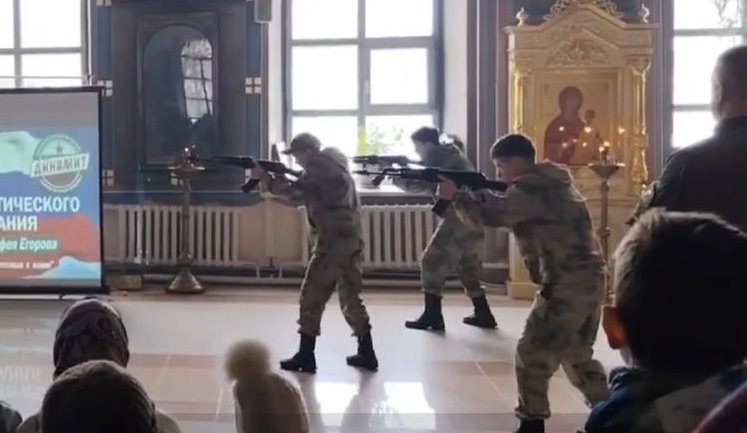
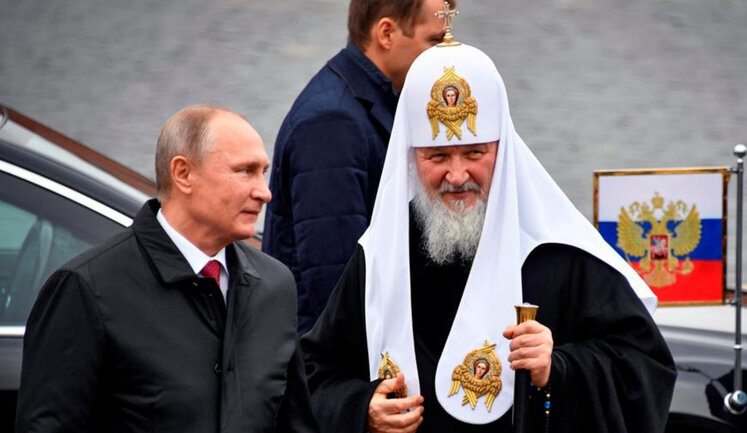
The Russian Orthodox Church is currently navigating various controversies and developments. Significant attention has centered around Metropolitan Tikhon, a leading candidate for the patriarch after Kirill, making territorial claims against Turkey. This provocative stance echoes sentiments akin to the annexation of Crimea. Meanwhile, internally, Kirill has clashed with clergy who prioritize religious guidance over nationalism, catalyzing debates within the church. In Estonia, the Moscow Patriarchate faces criticism for supporting Russian aggression. Internationally, Kirill's past ties to the KGB have resurfaced, complicating his image. Additionally, sanctions against Russian clergymen and Polish diplomacy reveal the church's entanglements in global politics. As the church continues to influence orthodox Christianity, these stories shape its ongoing legacy.
What are the recent territorial claims by the Russian Orthodox Church?
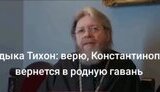
Recently, Metropolitan Tikhon of the Russian Orthodox Church made headlines by claiming that Constantinople, now Istanbul, should return to Russian control. This statement has sparked international attention and controversy, as it parallels the historical annexation of Crimea, impacting Russia-Turkey relations.
How has Patriarch Kirill responded to internal criticisms within the church?
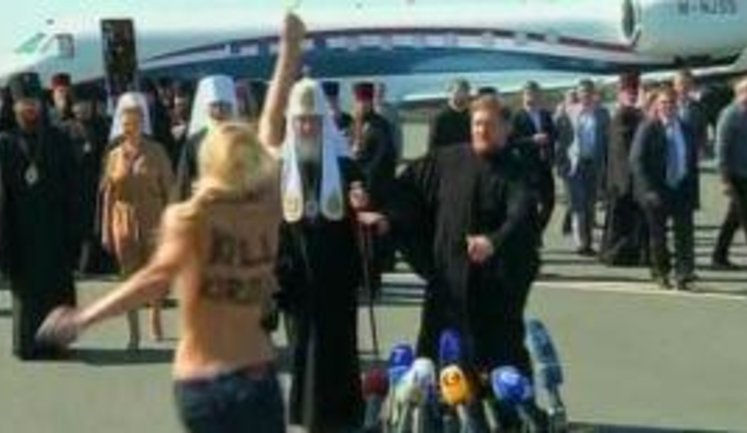
Patriarch Kirill has shown strong opposition to internal criticisms, particularly towards priests who argue that clerics should focus on spiritual guidance rather than nationalism. This tension reflects ongoing debates within the church about its role and how it navigates religious versus nationalistic priorities.
What actions have been taken against the Moscow Patriarchate in Estonia?
In Estonia, the Moscow Patriarchate has come under government scrutiny, being identified as a body endorsing Russian military aggression. This designation affects its operations and highlights the broader geopolitical challenges facing the church across former Soviet territories.
Why is Patriarch Kirill's past with the KGB significant?
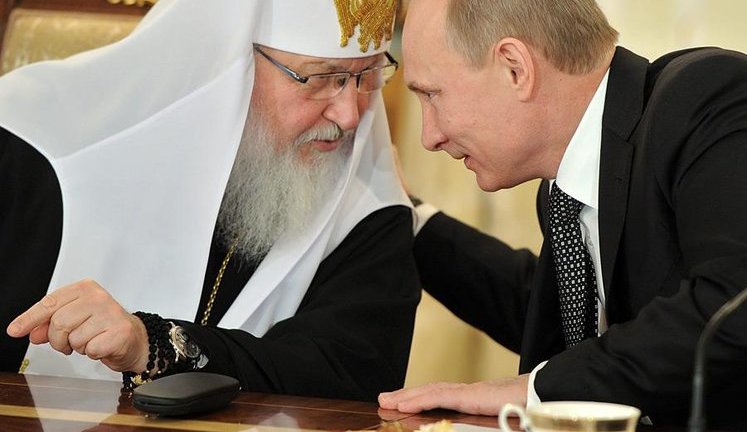
Patriarch Kirill's historical ties with the KGB have gained renewed attention, raising questions about his role during the Cold War in espionage activities in Switzerland. This past association continues to impact his credibility and the Russian Orthodox Church's perception internationally.
How have international relations been affected by actions involving Patriarch Kirill?
International relations have been affected in various ways due to Patriarch Kirill's activities. For instance, recent sanctions imposed by Ukraine on Russian clergy and Poland's diplomatic reactions to Russian Orthodox communications highlight how intertwined religious and political spheres are, with Kirill often at the center.