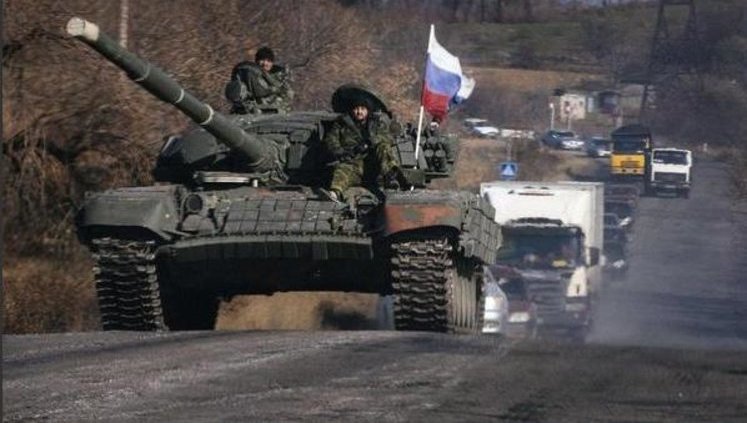
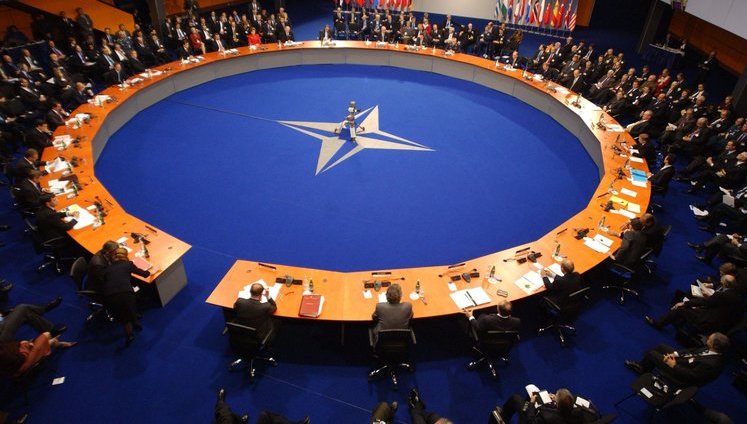
NATO remains a crucial player as Ukraine navigates its path to membership, with implications for European security. Ukrainian President Zelenskyy emphasizes that joining NATO could serve as a strategic exit from ongoing conflict, aligning the interests of both Kyiv and Europe. As Russia continues to display aggressive behavior, evident through threats against NATO countries and provocations over Baltic states, the Alliance is urged to remain vigilant. Key developments include Ukraine providing NATO with a list of essential air defense needs and Canada expressing staunch support for Ukraine's NATO aspirations. Meanwhile, NATO's continued military aid, including €70 billion set for 2026, underscores the collective commitment to counter Russian threats and bolster European security.
How does NATO support Ukraine's security aspirations?
NATO supports Ukraine through military aid, including substantial financial support, training, and cooperation in defense areas like air and missile systems. This support aims to strengthen Ukraine’s defenses against potential threats and advance its path toward membership.
What are the implications of Ukraine joining NATO for European security?
Ukraine's membership in NATO is viewed as a strategic move that could enhance European security by creating a united front against Russian aggression. It would integrate Ukraine into a broader security framework, thereby reducing risks for other NATO countries.
Why does NATO consider Russia a threat to European security?
NATO regards Russia as a significant threat to European security due to its provocative military actions, such as the unauthorized flight of aircraft in Baltic regions, and its occupations and military engagements near NATO territories, which challenge the stability of the region.
How does Canada's support influence Ukraine's NATO and EU membership prospects?
Canada’s support bolsters Ukraine's journey towards NATO and the EU, providing both political backing and a commitment to uphold Ukraine’s territorial integrity. This encouragement not only fosters bilateral relations but also aligns with the broader Western strategy of regional stability.
How are Ukrainian defense requirements communicated to NATO?
Ukraine communicates its defense requirements to NATO by submitting detailed lists of urgent military and air defense needs, as evidenced by their strategic submissions prior to critical NATO meetings. This ensures that NATO allies are aware and can provide necessary support.
In what ways does NATO address the threat of Russian aggression in the Baltic region?
NATO addresses Russian aggression in the Baltic by maintaining continuous air policing missions, which include scrambling fighter jets in response to suspicious activities by Russian aircraft. This operational readiness is key to deterring potential threats and ensuring regional security.