The European Union has allocated over 600 million euros to Poland from the European Peace Fund as partial compensation for weapons sent to Ukraine. Meanwhile, the European Parliament has approved funding for testing defense projects within Ukraine under the Omnibus V package. Notably, Polish modernizations are a key focal point for utilizing these funds. Furthermore, in a groundbreaking move, the United States has officially deployed weapons in space, marking a new frontier in defense capabilities. Alongside these developments, Ukrainian drone technology continues to make significant strides, evident in the success of the "Darts" drone in eliminating enemy equipment. The depth of these updates reveals an expanding scope of military industry insights critical to global and regional security dynamics in 2026.
What is the European Peace Fund compensating Poland for?
The European Peace Fund is compensating Poland with over 600 million euros for weapons supplied to Ukraine, allowing Warsaw to modernize its armed forces. This compensation reflects Poland's key role in supporting Ukraine's defense initiatives during ongoing conflicts.
What are the recent developments in Ukrainian defense technology?
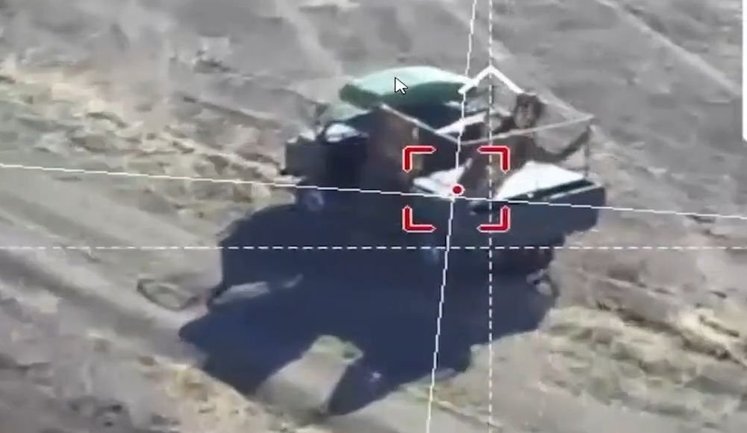
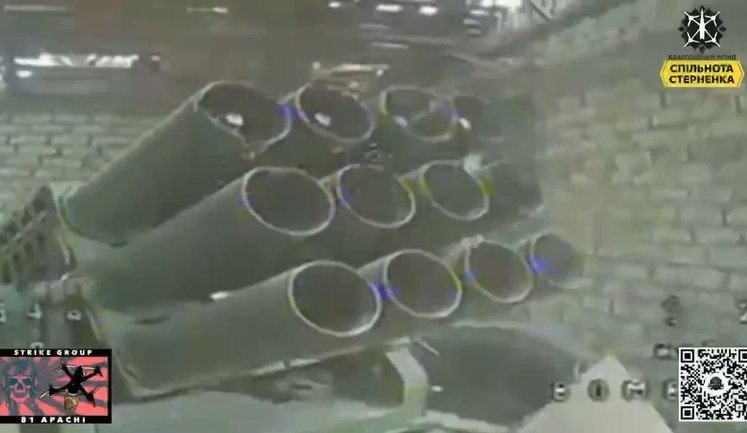
Ukrainian defense technology has made notable advancements with the development and deployment of drones like the "Darts" drone. These technological strides underscore Ukraine's efforts to strengthen its military capabilities and defense industry amidst ongoing regional tensions.
Has the United States confirmed any new defense initiatives?
Yes, the United States has, for the first time, publicly confirmed the deployment of weapons in space. This strategic move aims to enhance protection for American troops and asserts the U.S.'s commitment to maintaining military dominance and securing its strategic interests globally.
How is the European Parliament supporting defense projects in Ukraine?
The European Parliament has approved amendments under the Omnibus V package, enabling the European Defence Fund to finance testing of defense projects in Ukraine. This initiative supports Ukraine's defense industry amid the increased need for advanced military solutions against aggression.
What financial challenges are weapon manufacturers in Ukraine facing?
Ukrainian weapon manufacturers are facing significant financial challenges due to the state owing hundreds of millions of hryvnias for supplies delivered through the "E-points" program. Delays in payment have strained the production capabilities within Ukraine's defense sector.
What were the highlights of the MSPO 2026 exhibition?
The MSPO 2026 exhibition, attended by Ukrainian political figure Petro Poroshenko, showcased cutting-edge defense technologies, including the unveiling of the ’Ai-Petri’ air defense system. This event is pivotal in highlighting innovation and collaborations in Central and Eastern European defense markets.