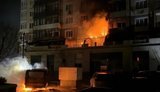
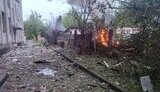
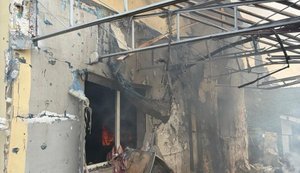
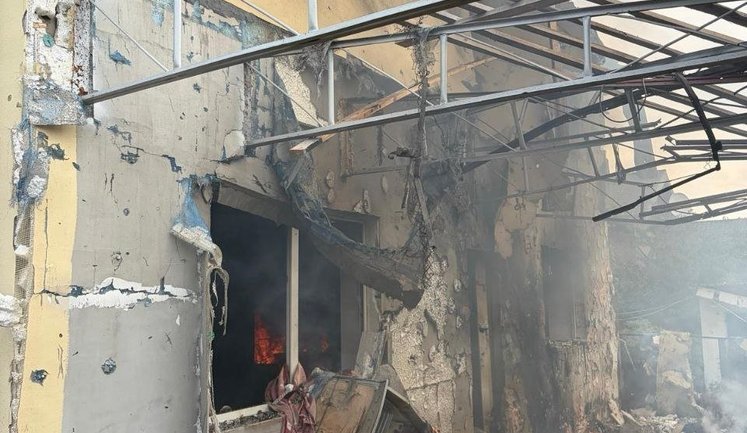
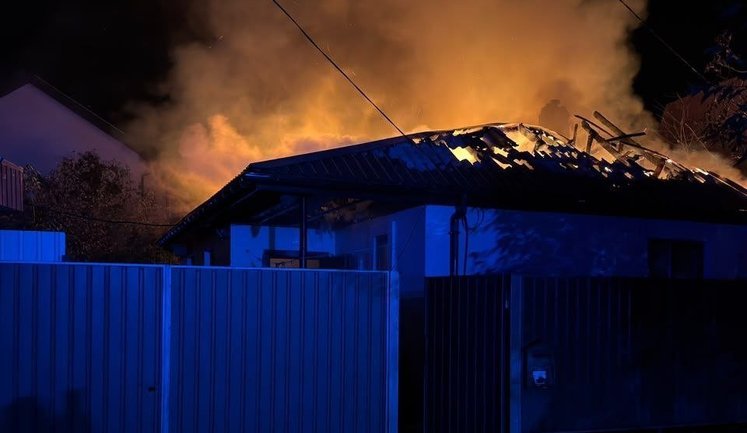
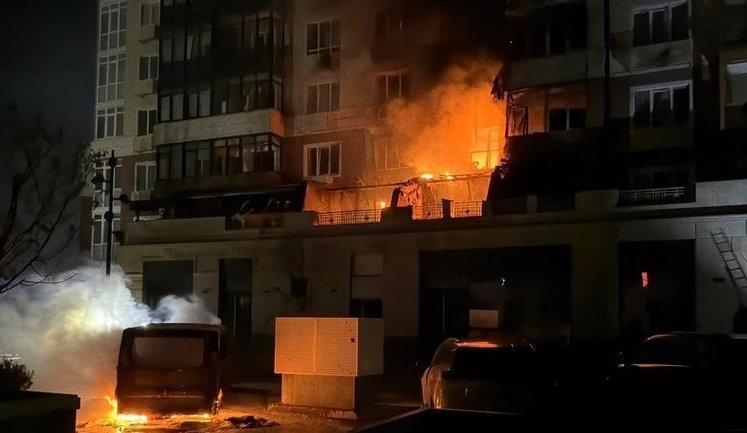
In recent attacks on Uman in the Cherkaska region, several individuals have been injured as Russian troops targeted the area with drones. Notably, a nighttime strike hit key locations such as a hypermarket and a hotel. During another assault, five people were reported injured, two of whom required hospitalization. These events add to a string of attacks that have shaken the community, highlighting the ongoing conflict and its impact on residents. In addition to the turmoil, Uman remains a site of cultural importance, welcoming tens of thousands of Hasidic pilgrims annually for Rosh Hashanah.
How many people were injured in the recent attacks on Uman?
The recent attacks on Uman resulted in multiple injuries. In one instance, five people sustained injuries, two of whom were hospitalized. Further attacks have continued, with numerous casualties and varying degrees of damage across the city.
What locations in Uman were targeted by Russian forces?
The Russian forces targeted several key locations in Uman, including a hypermarket, a hotel, and residential buildings. Additionally, areas within the Cherkaska region have seen strikes on infrastructure, intensifying the strain on local resources.
Why is Uman significant during Rosh Hashanah?
Uman holds great significance during Rosh Hashanah as it becomes a pilgrimage site for tens of thousands of Hasidic Jews. They gather to pay homage to Rabbi Nachman and participate in the Jewish New Year celebrations, creating a vibrant cultural event amidst ongoing challenges.
What measures are in place to protect Uman during these attacks?
Ukrainian authorities have prioritized enhancing security measures in Uman. This includes deploying air defense systems to mitigate the effects of drone and missile strikes, alongside cooperation with international partners to safeguard the population and heritage sites.
How are the residents of Uman coping with the recurrent attacks?
Residents of Uman are facing significant challenges due to recurrent attacks. Community efforts are ongoing to provide support and aid to affected families, while authorities work on restoring damaged infrastructure and ensuring access to essential services as part of their resilience strategy.