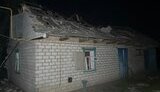
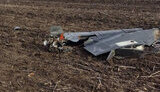
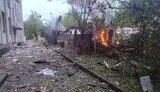
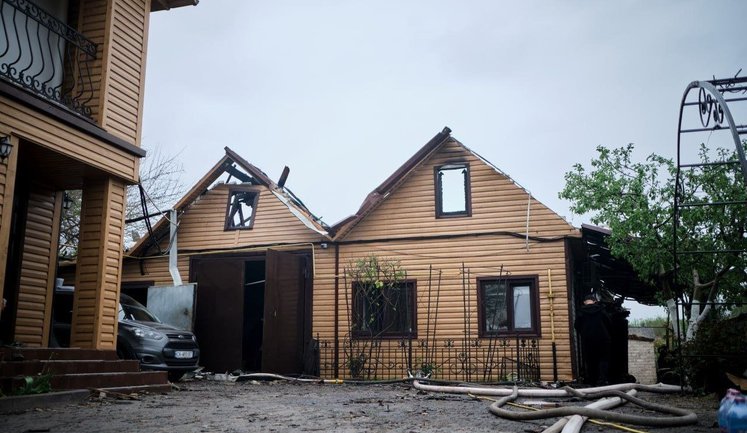
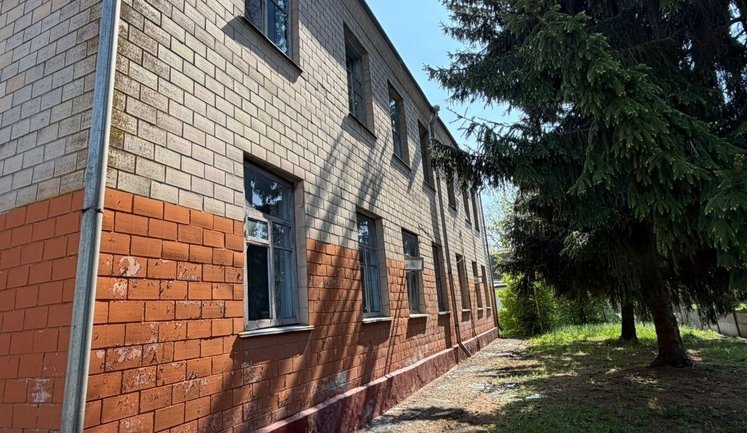
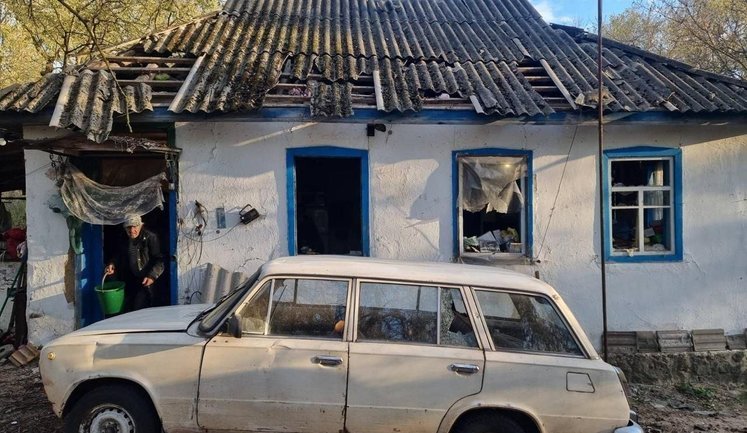
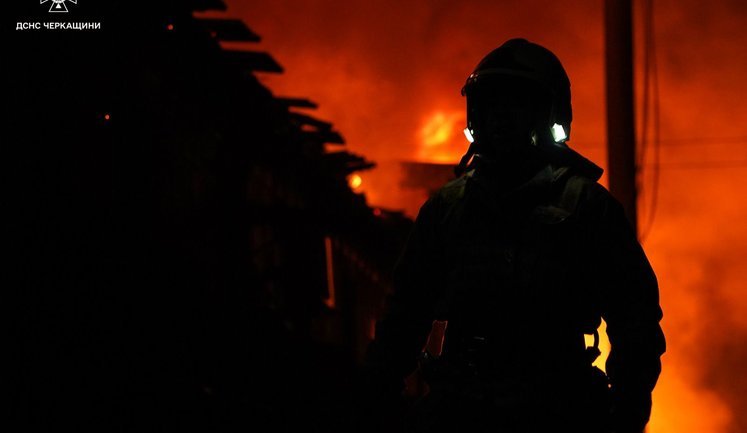
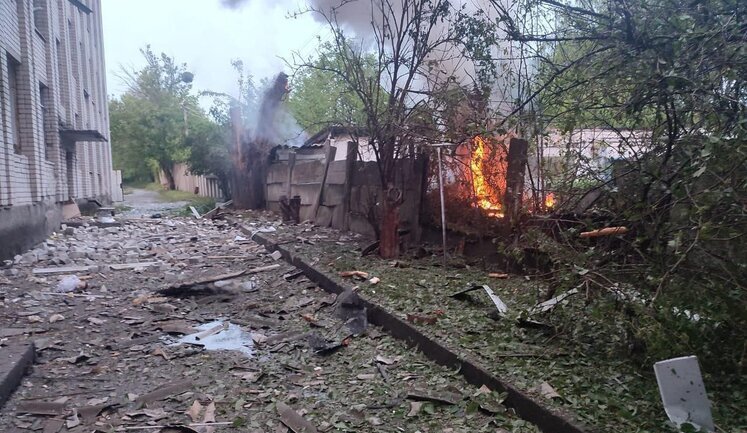
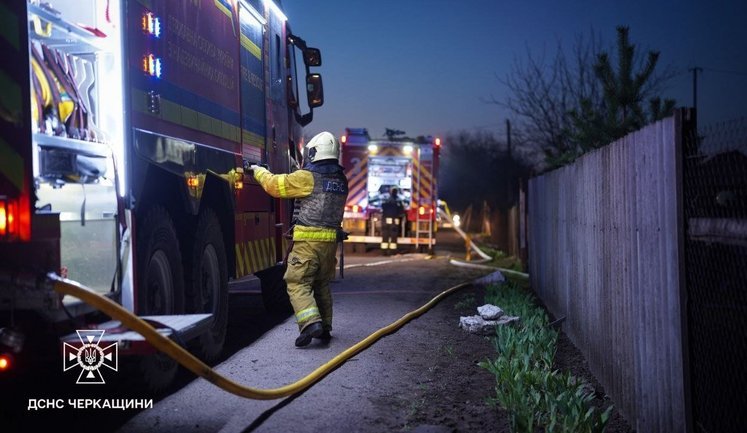
Drone attacks on the Cherkasy region have been a consistent threat, with recent incidents highlighting the growing tensions. On April 15, 2026, Russian forces launched drones causing injuries and damage in the regional center. Air defense has been active, intercepting numerous UAVs, yet the shrapnel damages residential and public infrastructure. Previous attacks in 2025 targeted critical infrastructure and civilian areas, with varying damage impacts. These repetitive drone strikes are not only a call for improved defensive strategies but also a reflection of the enduring regional conflict. Witness reports and photographic evidence tell a story of resilience amidst a challenging security situation.
What are the main targets of drone attacks in the Cherkasy region?
Drone attacks in the Cherkasy region primarily target infrastructure such as power lines, residential buildings, and other critical facilities. Efforts from air defense units have intercepted many drones, but shrapnel and debris continue to pose significant risks to the safety and security of local communities.
How have previous drone attacks affected Cherkasy region's infrastructure?
Previous drone attacks have inflicted significant damage on the Cherkasy region's infrastructure. Notable damage includes destruction to power lines, residential properties, and other vital facilities. Each attack serves as a troubling reminder of the growing need for enhanced defensive measures and the resilience of the local population.
How effective has the air defense been in the Cherkasy region?
The air defense in the Cherkasy region has been quite effective, intercepting a considerable number of drones during multiple attacks. Despite these successes, the complexity of air raids and subsequent shrapnel damage remain challenges. The defense units' commitment highlights the region's proactive stance in mitigating such threats.
What measures are being taken to improve drone defense in the region?
To improve drone defense in the Cherkasy region, authorities are focusing on bolstering air defense capabilities through technology upgrades, increased manpower, and strategic collaborations. These measures aim to enhance detection, interception, and the overall response to aerial threats.
What has been the human impact of drone attacks in Cherkasy?
Drone attacks in Cherkasy have resulted in casualties, injuries, and widespread fear among residents. The incidents have led to community disruptions and heightened stress, calling for increased humanitarian efforts and psychological support to aid those affected.
Are there any international responses to the Cherkasy drone attacks?
International responses to the Cherkasy drone attacks have included calls for diplomatic resolutions, sanctions against aggressors, and support for Ukraine's defense systems. Global awareness of the situation seeks to catalyze tangible intervention efforts from international bodies.
What evidence is available regarding the Cherkasy drone attacks?
Evidence regarding the drone attacks in Cherkasy includes photographic documentation, eyewitness accounts, and military reports. These pieces collectively provide a comprehensive overview of the damage and the ongoing efforts to ameliorate the security situation in the affected areas.
How has the local community in Cherkasy responded to the attacks?
The local community in Cherkasy has demonstrated resilience amidst adversity, organizing protective measures and seeking assistance to rebuild affected infrastructure. Community solidarity remains a vital component in coping and recovering from these recurrent attacks.
What role do the regional authorities play in addressing the drone attacks?
Regional authorities in Cherkasy play a crucial role in implementing defense strategies, coordinating with national and international bodies, and ensuring necessary support for affected communities. Their proactive actions are key to managing and mitigating drone threats.
How do drone attacks affect the economy of the Cherkasy region?
Drone attacks adversely impact the economy of the Cherkasy region through disruptions to businesses, infrastructure damage, and heightened insecurity. Efforts to restore stability are critical for fostering economic resilience and growth in affected areas.