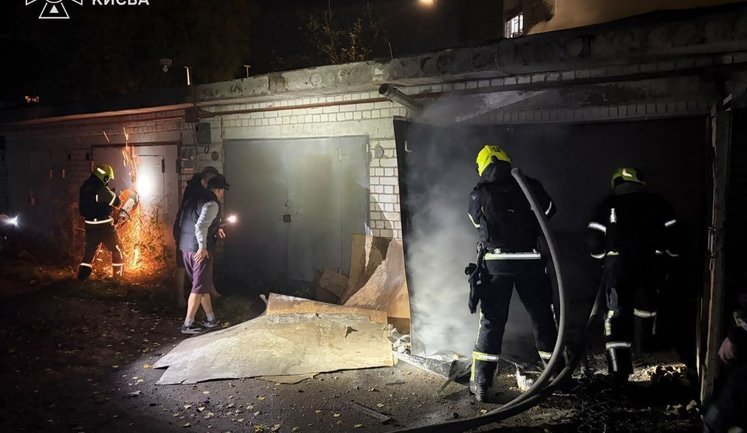
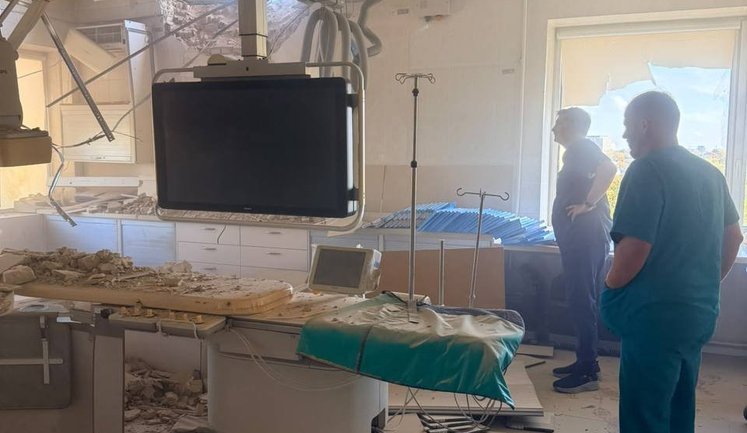
Hospitals in Ukraine have become frequent targets amid the ongoing military conflict, with numerous medical facilities suffering damage and resulting in casualties among healthcare workers and patients. Recent incidents include a drone attack on a children's hospital in Kyiv, causing substantial structural damage, and strikes on hospitals in Kherson, leading to injuries and fatalities. These attacks underline the critical situation in Ukraine's healthcare sector, where facilities not only face direct threats from warfare but also confront challenges like resource scarcity and infrastructure destruction. The international community continues to recognize and respond to these pressing healthcare crises by offering aid for restoration and support to ease the burden on affected regions.
What are the implications of hospital attacks in Ukraine?
The implications of hospital attacks in Ukraine are severe, as they jeopardize the safety of patients and medical staff, disrupt essential health services, and cause structural damage, which requires significant resources and time for reconstruction. These incidents compound existing challenges in the healthcare system, putting additional pressure on emergency services and humanitarian aid efforts.
How is the international community responding to the hospital crises in Ukraine?
The international community is actively responding by providing financial aid, humanitarian assistance, and medical supplies to help mitigate the impact of the hospital crises in Ukraine. For instance, the EU and the Czech Republic have pledged substantial funds to support the restoration and upgrading of medical infrastructure, ensuring the continuity of healthcare services despite ongoing hostilities.
Why are hospitals targeted during the conflict in Ukraine?
Hospitals are targeted during the conflict in Ukraine due to strategic military objectives, such as disrupting medical support for wounded soldiers and civilians, creating fear and chaos, and undermining the local capacity to cope with medical emergencies. These attacks also aim to weaken morale among communities and healthcare providers.
What measures are being taken to protect medical facilities in Ukraine?
To protect medical facilities in Ukraine, several measures are being implemented, including the reinforcement of hospital structures, establishment of underground shelters, and development of rapid response evacuation and contingency plans. Additionally, international organizations are working to enhance security protocols and support medical staff operating in conflict zones.
How are hospital attacks affecting healthcare services in Ukraine?
Hospital attacks severely affect healthcare services in Ukraine by damaging infrastructure, reducing the availability of essential medical equipment, and creating shortages of healthcare providers due to injuries or fatalities. The resultant resource constraints hinder the ability to deliver adequate medical care, especially in regions heavily reliant on hospital-based services.
What are the long-term consequences of repeated hospital attacks in Ukraine?
The long-term consequences of repeated hospital attacks in Ukraine include a weakened healthcare system, increased medical costs, prolonged recovery time for infrastructure and services, and heightened mental and physical health risks for affected populations. Continued damage necessitates extensive international support and resource mobilization for effective recovery and rebuilding efforts.