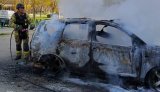
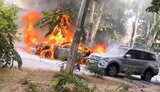
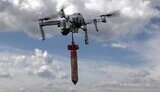
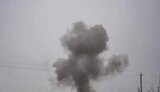
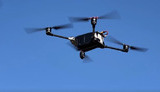
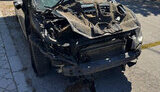
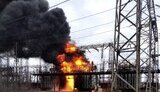
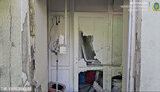
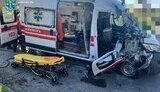
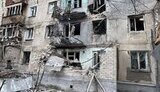
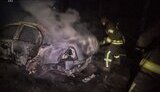
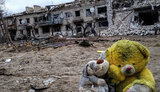
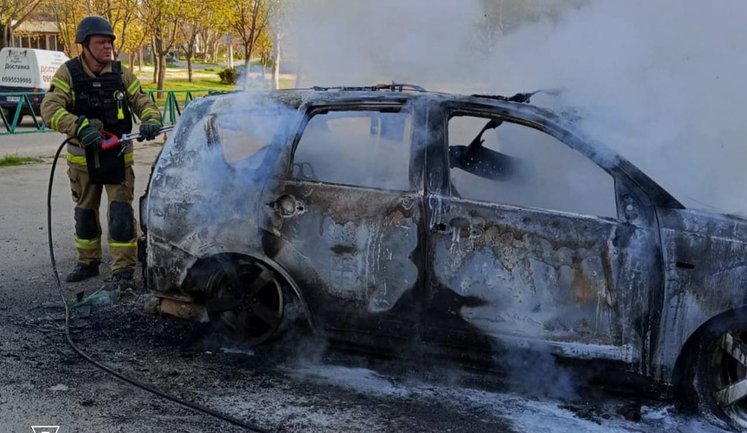
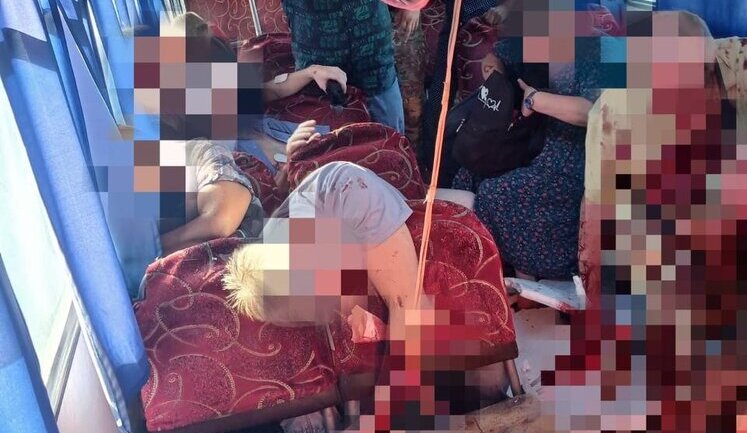
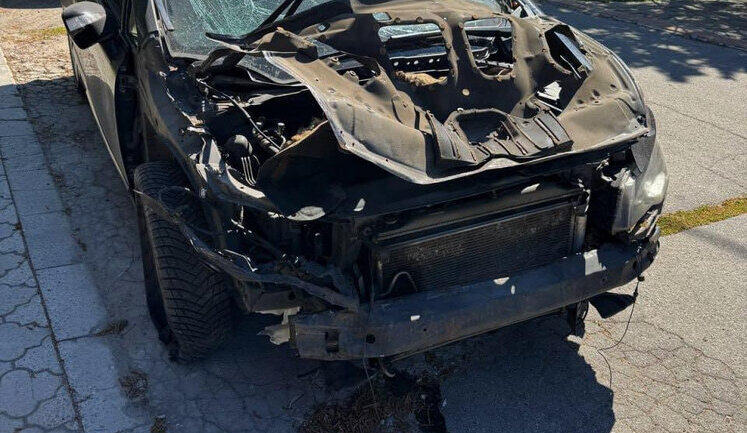
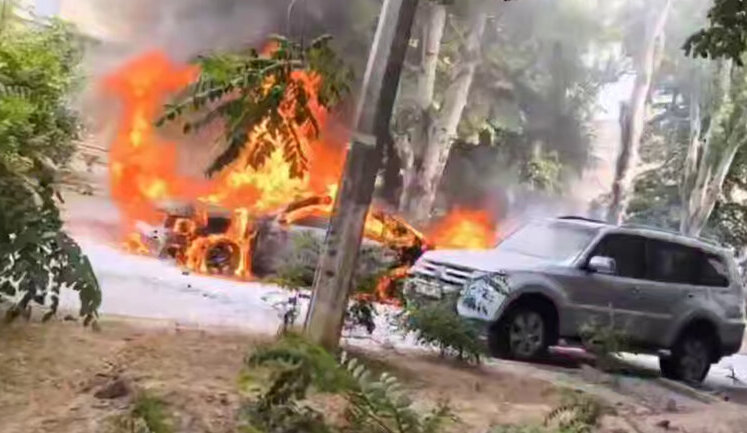
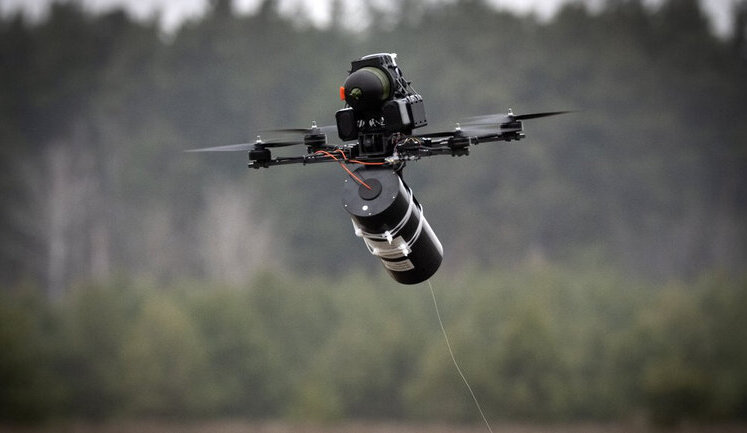
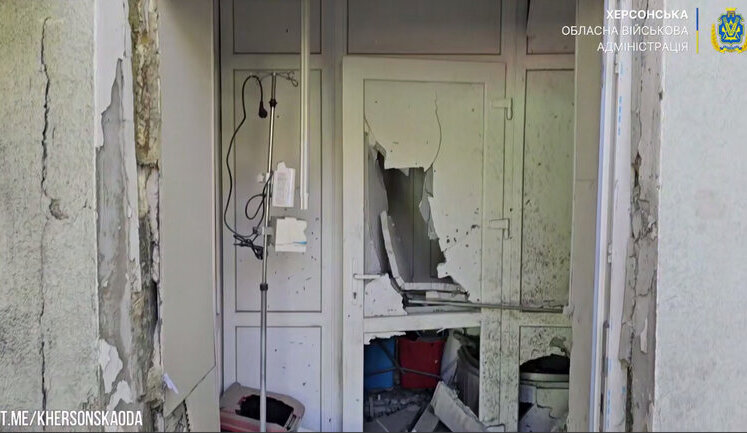
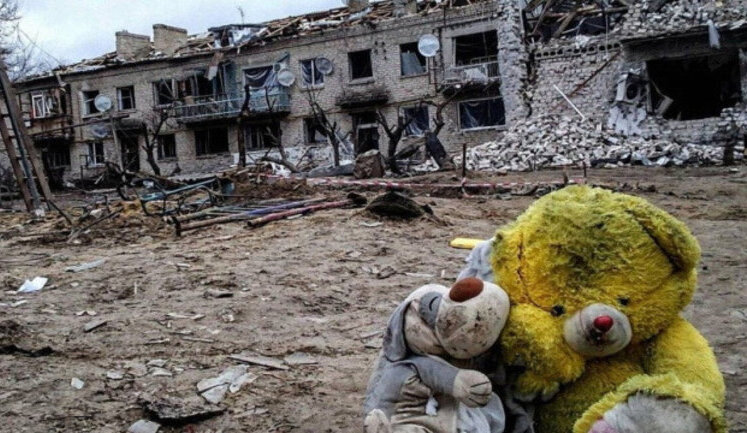
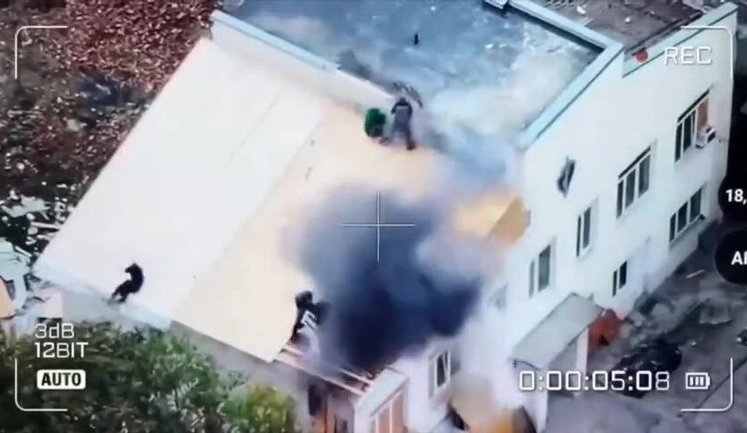
In recent months, Kherson has been a primary target for Russian drone attacks, causing significant destruction and loss of life. These attacks have resulted in numerous casualties, with civilians often caught in the crossfire. One of the latest incidents involved a drone hitting a passenger car, injuring two people and causing a fire. Such attacks have become a grim reality for the residents, with frequent strikes targeting both individuals and infrastructure. The use of drones has intensified, with the Dniprovskyi district frequently targeted. The persistence of these assaults highlights the continuous threat faced by those living in the region, as Russian forces deploy advanced tactics to maximize impact. These events are not only humanitarian crises but also significant safety concerns, requiring urgent attention and potential interventions to prevent further casualties and restore peace to Kherson.
What is the frequency of drone attacks in Kherson?
The frequency of drone attacks in Kherson has increased significantly, with multiple incidents reported monthly. These attacks often target both public and private areas, causing widespread fear and disruption among the local population.
What areas in Kherson are most affected by drone attacks?
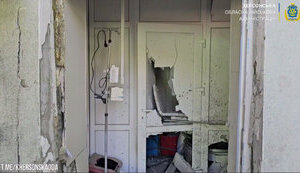
Drone attacks in Kherson have primarily targeted the Dniprovskyi district, among other areas. Key locations like civilian infrastructures, medical facilities, and public spaces have been frequently attacked, leading to significant casualties.
How are the drone attacks impacting civilians in Kherson?
Civilians in Kherson face severe impacts due to drone attacks. There are frequent reports of injuries and fatalities resulting from these strikes. The ongoing threat has caused widespread fear and disruption in daily life, with individuals feeling constantly unsafe.
What measures are being taken to protect Kherson from drone attacks?
Efforts to protect Kherson from drone attacks include increased surveillance and defense systems. Authorities are working to improve response times and mitigate damage, though challenges remain in fully preventing such assaults.
Who are the typical targets of these drone attacks in Kherson?
Typical targets of drone attacks in Kherson include civilians, public transportation, medical facilities, and key infrastructure. The attacks often seem indiscriminate, affecting anyone within the vicinity. The intent appears to be creating chaos and fear rather than targeting specific individuals.
What has been the international response to the drone attacks in Kherson?
The international response has included condemnations and calls for heightened sanctions against Russia. Humanitarian organizations are also advocating for increased aid and support for affected civilians. However, a comprehensive solution to stop the attacks has yet to be achieved.
Are there any ongoing peace efforts to stop the drone attacks?
Ongoing peace efforts include diplomatic engagements and negotiations aimed at de-escalating the conflict. International mediators and organizations are actively involved, but the complex geopolitical dynamics continue to hinder swift resolutions.
What are the long-term effects of the drone attacks on Kherson?
The long-term effects include psychological trauma, economic decline, and infrastructural damage. The persistent threat of attacks has disrupted normal life and contributed to a humanitarian crisis in Kherson, impacting all facets of society.
Has there been any progress in addressing the humanitarian crisis in Kherson?
Some progress has been made with international aid and local initiatives aimed at supporting affected communities. However, continuous drone attacks and unstable security conditions complicate relief efforts, making comprehensive progress challenging.