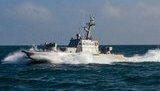
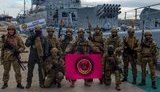
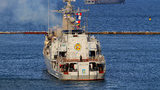
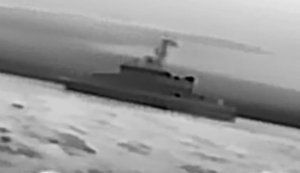
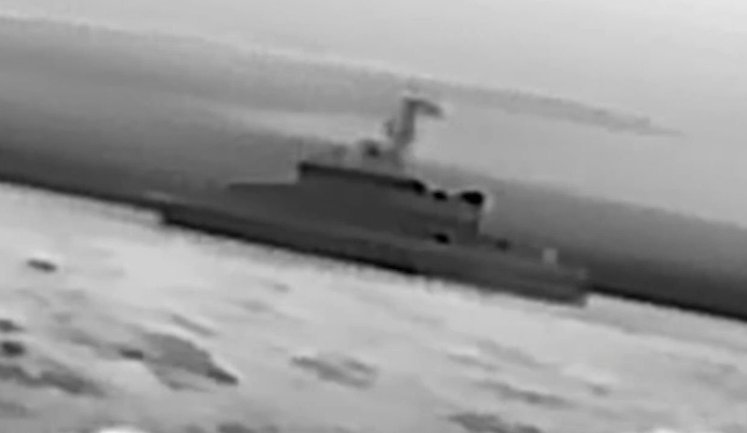
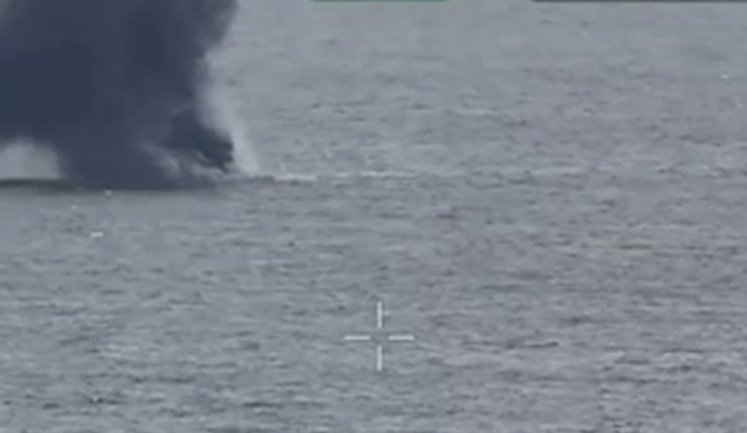
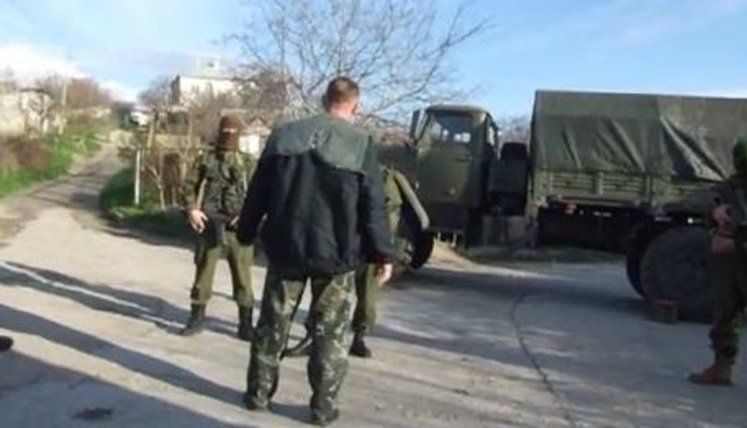
The Ukrainian Navy continues to assert its dominance in the Black Sea, executing a series of strategic operations aimed at countering Russian threats. Notably, the Navy's recent actions include foiling an assassination attempt on a senior officer and evacuating marine relatives from hostile territories. These operations highlight Ukraine's capacity to navigate adversarial challenges and maintain defense integrity. The use of "Neptune" missiles on enemy platforms further exemplifies their tactical prowess. Additionally, strikes on Russian air defenses in Crimea demonstrate Ukraine's strategic acumen in weakening Russian logistics and reconnaissance capabilities. The resilience and effectiveness of the Ukrainian Navy remain crucial amidst ongoing tensions.
What recent successful operations has the Ukrainian Navy conducted?
The Ukrainian Navy has executed several successful operations, including a multi-stage evacuation effort from occupied territories, strikes on Russian air defense systems in Crimea, and the destruction of a Russian Ka-27 helicopter. These operations showcase the Navy's strategic effectiveness in defending Ukraine's interests.
How did the Ukrainian Navy counter assassination attempts orchestrated by Russian forces?
The Security Service of Ukraine (SSU) and the Ukrainian Navy thwarted an assassination attempt on a senior officer through a collaborative counter-intelligence effort. This operation underlines the coordinated efforts in preserving Ukraine's defense leadership against foreign threats.
In what ways is the Ukrainian Navy utilizing its missile systems to counter threats?
The Ukrainian Navy has strategically deployed "Neptune" missile systems to neutralize enemy positions, including strikes on the "Sivash" platform, a key logistics hub for Russian forces. This showcases the Navy's capability to use precision strikes in disrupting adversary operations.
How have the ongoing operations affected Russian military logistics and reconnaissance?
Ongoing operations, including the destruction of air defense systems and platforms, have significantly disrupted Russian military logistics and reconnaissance capabilities. The strategic targeting of key locations demonstrates Ukraine's intent to undermine Russian operational effectiveness.
What role does the Ukrainian Navy play in evacuating civilians from conflict zones?
The Ukrainian Navy is pivotal in conducting complex evacuation operations from occupied territories, ensuring the safety of civilians. Their expertise in executing precise and strategic operations facilitates successful extraction and minimizes risks.