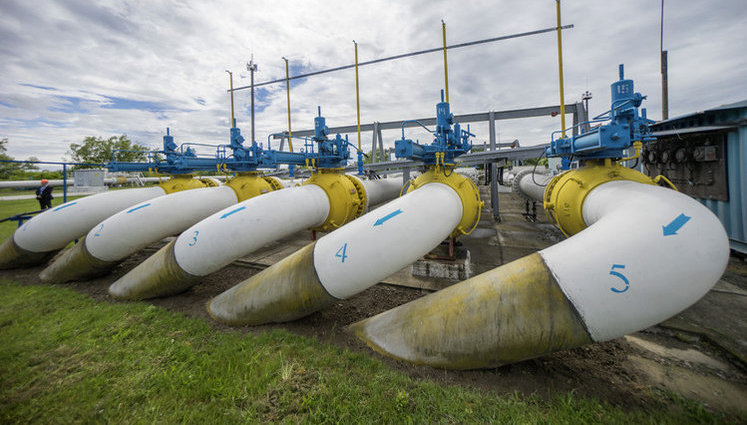
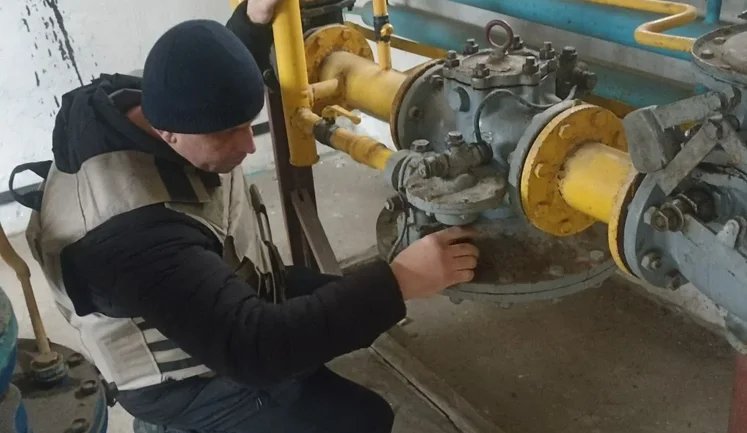
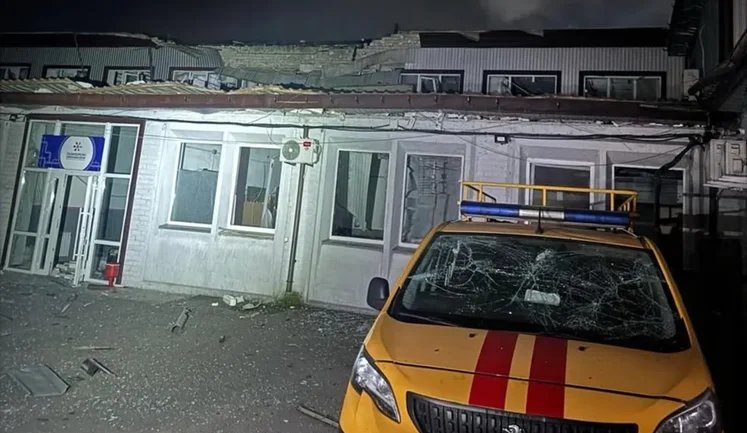
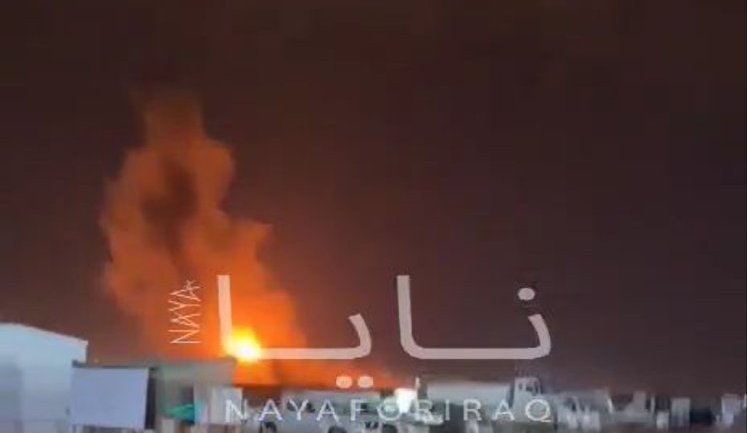
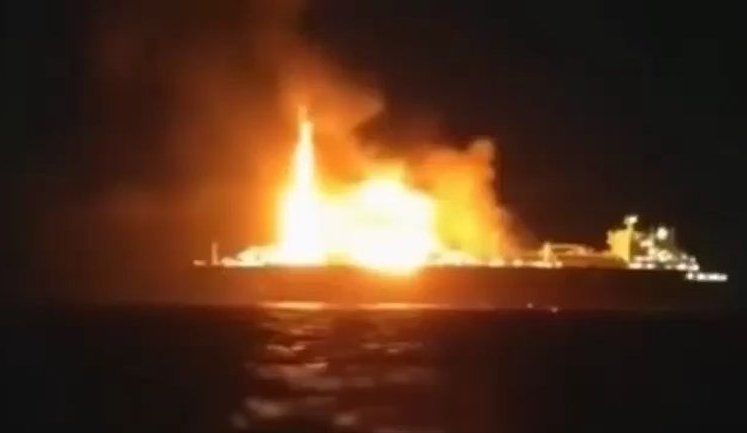
The EU continues to move away from reliance on Russian gas, emphasizing energy independence amidst ongoing geopolitical tensions. Key events include the European Commission's firm stance against resuming Russian gas imports and the rising discussions between the US and Russia on strategic energy involvements like the Nord Stream projects. In the face of enemy attacks, gas infrastructure damages have left significant populations in Ukraine without gas. Moreover, global shifts are seeing countries like Canada and Spain evolving their gas markets, aiming to replace Russian energy sources. These developments are set against various political dialogues and proposals highlighting a concerted international effort to reassess and strengthen energy policies and infrastructure for a more resilient future.
Why is the European Union avoiding Russian gas imports?
The European Union aims to avoid Russian gas imports due to previous dependencies that led to significant geopolitical costs and vulnerabilities. This move is part of a broader strategy to enhance energy security and stability within the region, promoting diversification of energy sources through increased imports from alternative partners and the development of LNG capabilities.
What are the impacts of Russian attacks on Ukrainian gas infrastructure?
Russian attacks on Ukrainian gas infrastructure have considerably disrupted service continuity, leaving thousands without gas. This impact extends to critical services, compounding civilian hardships and necessitating international assistance to restore and maintain vital energy supplies amidst ongoing conflict.
How is the US involved in European energy markets compared to Russian gas?
The US has positions itself as a key player in providing energy resources to Europe in lieu of Russian gas, particularly through the export of LNG. This forms part of a strategic transatlantic partnership aimed at reducing European dependency on Russian energy and reinforcing collective energy security against geopolitical uncertainties.
What initiatives are being taken by countries to replace Russian gas?
Countries like Canada and Spain are expanding their LNG export capabilities and restructuring domestic energy infrastructures to phase out Russian gas altogether. These initiatives are supported by regulatory policies and bilateral agreements with other countries, such as ones between Ukraine and Poland, which enhance regional energy independence and security.
How does the energy dynamic between Russia and Europe affect global gas markets?
The energy dynamic, characterized by Europe's shift from Russian gas, has prompted recalibrations in global energy supply chains and market interactions. This transformation is influencing global LNG trade patterns, the evolution of energy policies, and reconfigurations in geopolitical alliances, underscoring an urgent transition to diversified and resilient energy systems.