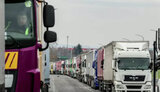
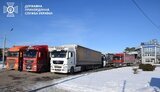
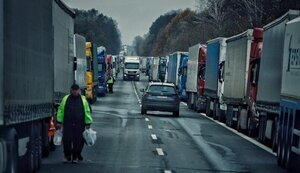
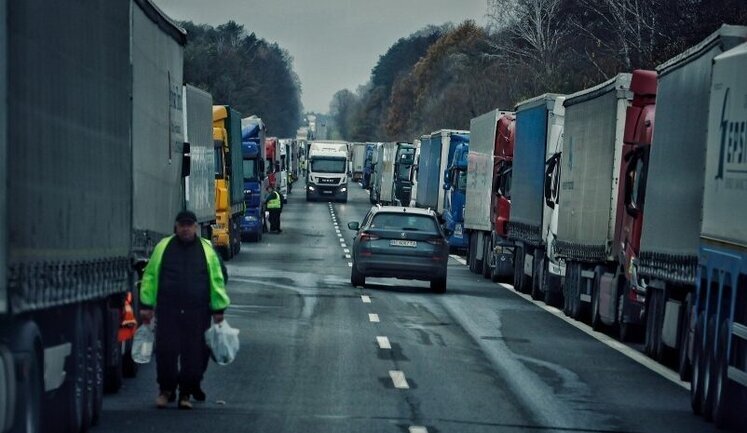
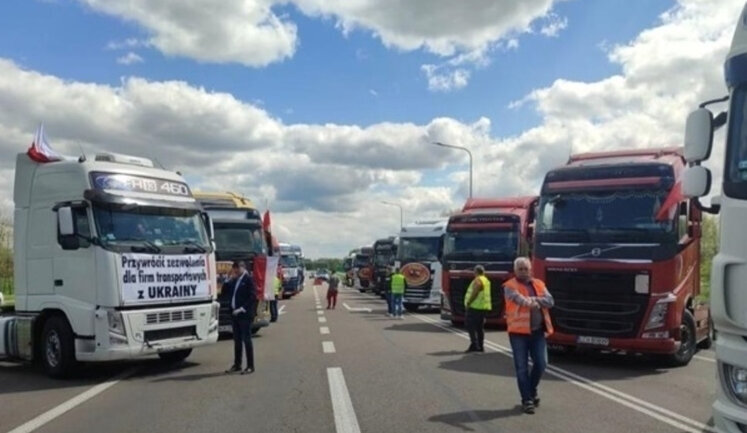
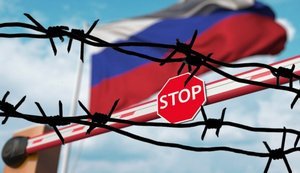
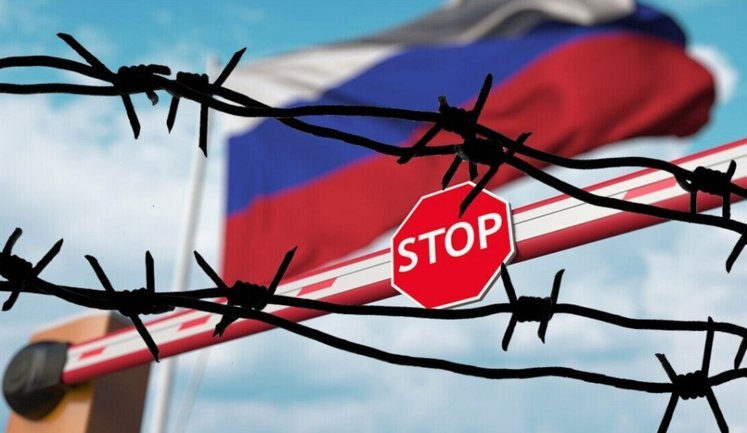
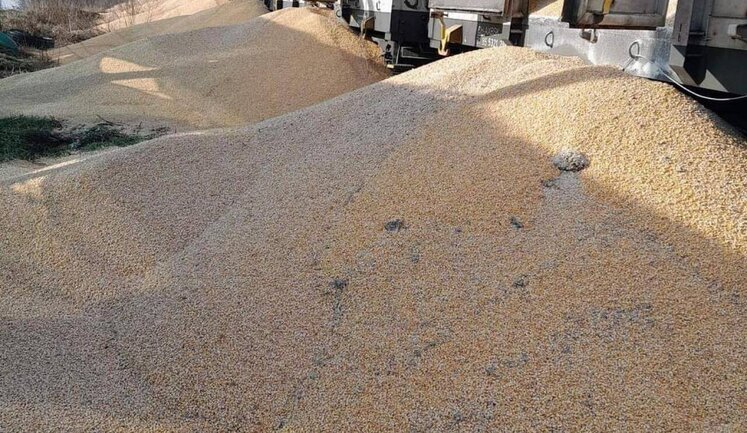
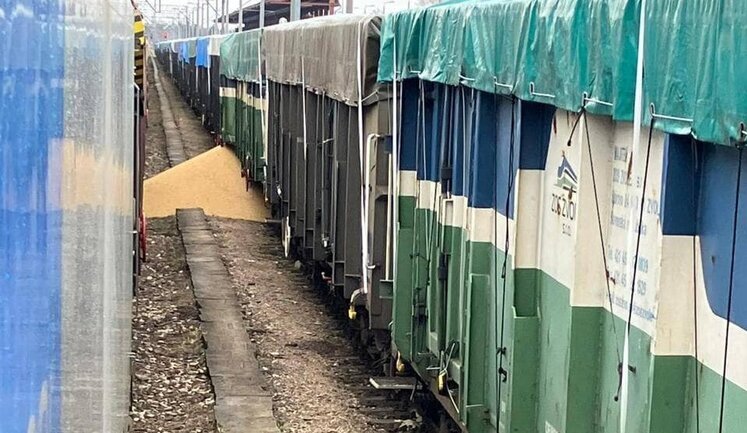
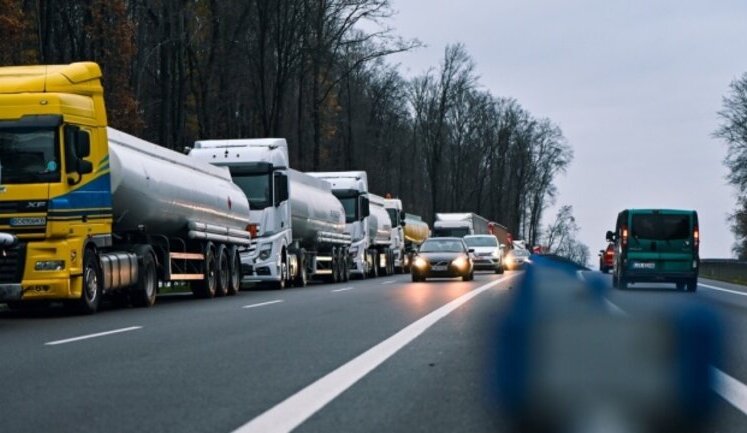
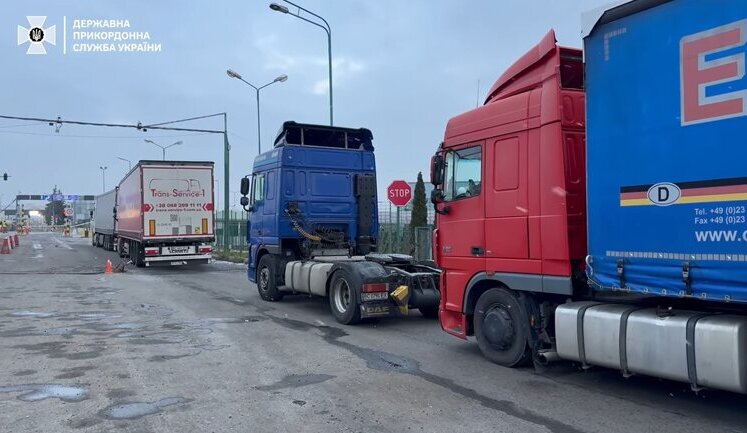
The phenomenon of 'block' is currently impacting the political and social landscape in and around Ukraine. Key developments include Poland's persistent blockades at border checkpoints, significantly disrupting the transit of goods and raising economic tensions. Over 2,000 trucks have been found lingering in queues due to these blockades, affecting both Ukrainian and Polish economies. Additionally, Russia has intensified Internet censorship, blocking vast numbers of online resources, a move affecting information flow to its citizens. Furthermore, YouTube's blocking of channels spreading Russian narratives and sanctioned figures has highlighted ongoing digital content censorship issues. These blockages paint a complex picture of ongoing struggles for open communication and free trade.
What are the reasons behind Poland's blockade at the border with Ukraine?
Poland's blockade is primarily due to protests by farmers opposing certain agricultural trade terms, including the influx of Ukrainian agricultural products, which they believe harm local markets. The blockades result in substantial queues and economic losses for both countries.
How is Russia's increased Internet censorship impacting its citizens?
Russia's increased Internet censorship, with over 1.2 million sites blocked, restricts citizens' access to global information, curtailing freedom of speech and limiting communication channels. This attempt to control the narrative poses significant challenges to civil liberties and open information exchange.
What effects do blockades have on Ukraine's economy?
Blockades, especially on borders like those with Poland, result in severe logistical delays, increased transportation costs, and disrupted supply chains. These factors culminate in considerable economic losses, estimated in hundreds of millions, affecting Ukraine's trade balance and economic stability.
How are digital platforms responding to misinformation related to Ukraine?
Digital platforms like YouTube are actively blocking channels that propagate misinformation aligned with Russian propaganda. This is part of a broader effort to curb fake news and ensure accurate, reliable information is accessible, though it raises concerns over digital censorship dynamics.
What is the role of international relations in addressing blockages between Poland and Ukraine?
International relations play a crucial role in facilitating dialogue to resolve blockages. Diplomatic efforts are necessary to negotiate trade agreements that satisfy both national interests, aiming to lift blockades while maintaining fair agricultural trade practices within EU frameworks.
Why is media blocking in Russia considered a significant issue?
Media blocking in Russia is significant as it prevents independent journalism and the flow of uncensored information. Such actions are intended to control political discourse but suppress freedom of expression, impacting Russian civil society's ability to make informed decisions.