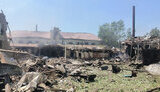
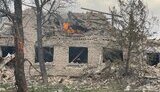
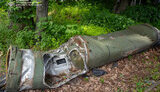
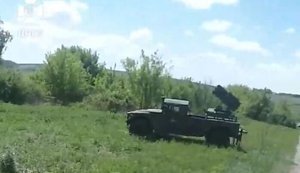
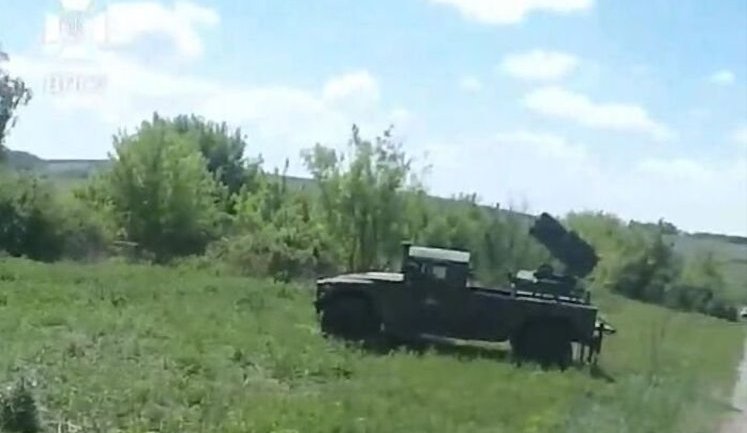
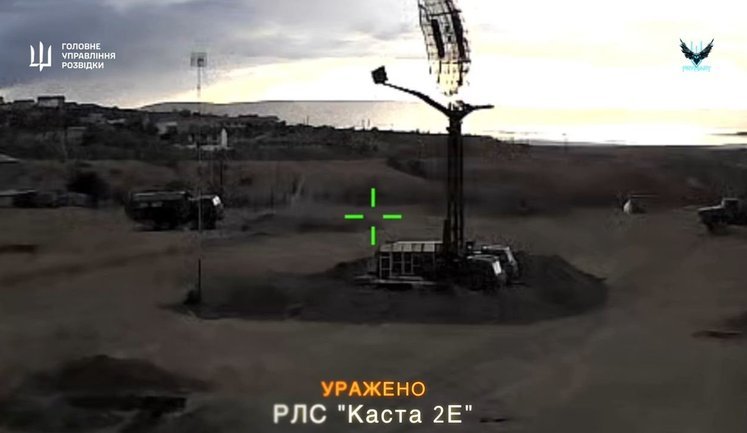
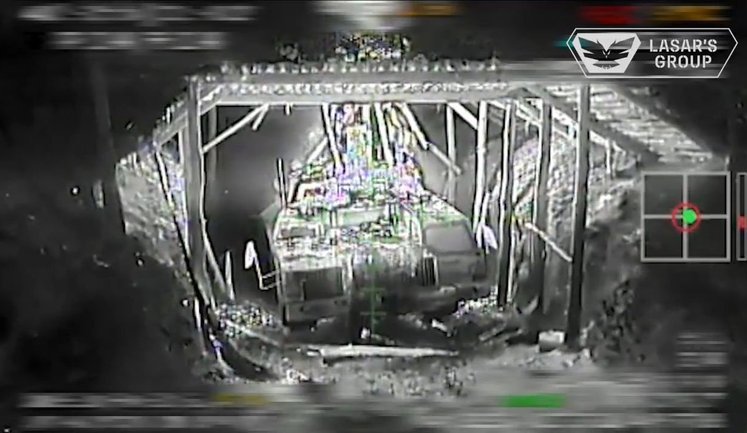
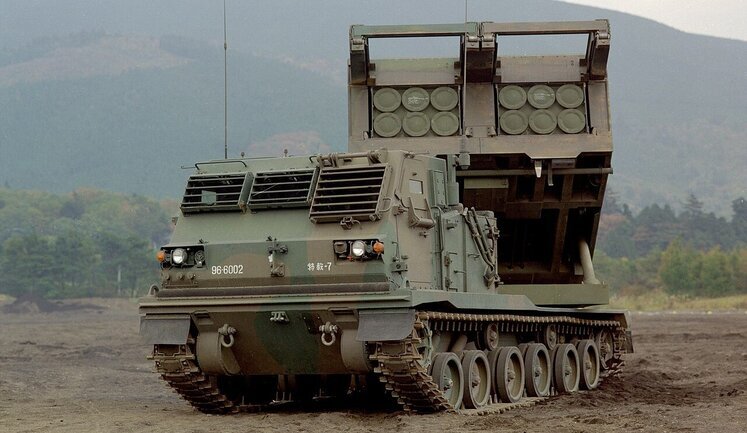
Multiple Launch Rocket Systems (MLRS) continue to play a significant role in the ongoing conflict in Ukraine, particularly in regions like Sloviansk and Donetsk. Recent reports highlight Russian forces utilizing systems like the Smerch and BM-21 Grad, causing significant damage and casualties. Ukrainian defenders are actively countering with systems such as HIMARS and drones. Successfully striking and destroying Russian MLRS, Ukrainian forces aim to mitigate threats, showcasing precision strikes that have taken out systems like the Tornado and Uragan. Intensified efforts are documented with video evidence, underscoring the critical role of MLRS in this intense conflict.
What is the significance of MLRS in the Ukraine conflict?
Multiple Launch Rocket Systems (MLRS) are a pivotal component of artillery warfare in the Ukraine conflict, providing substantial destructive power over a wide area. Both Russian and Ukrainian forces utilize these systems to engage enemy positions, making them crucial for strategic operations and battlefield dominance. Their deployment often leads to notable infrastructural damage and civilian casualties.
How have Ukrainian forces countered Russian MLRS threats?
Ukrainian forces have employed a combination of HIMARS multiple launch rocket systems, precision drone strikes, and coordinated artillery fire to counter Russian MLRS threats. These efforts aim to dismantle the Russian artillery capability, often resulting in the destruction of enemy MLRS, thereby alleviating the artillery pressure on key Ukrainian locations.
What kind of damages have MLRS caused in Ukrainian regions?
In Ukrainian regions like Sloviansk and Donetsk, MLRS have caused severe structural damage and civilian casualties. Homes, infrastructure, and essential services have been heavily impacted, leading to a humanitarian impact alongside military objectives. These weapons have exacted both immediate and long-term challenges for recovery and civilian safety.
Which MLRS systems are most commonly used in this conflict?
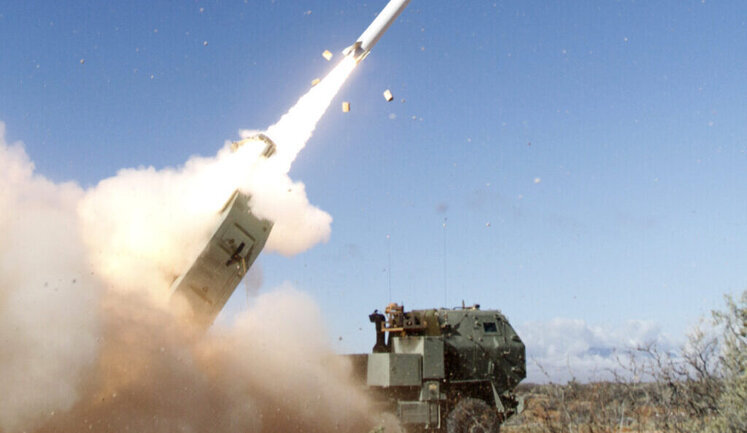
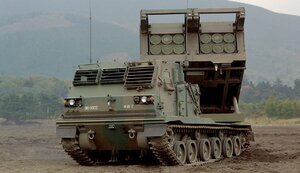
The conflict has seen extensive use of multiple MLRS systems, including the Russian Smerch, Uragan, and Tornado-G, while Ukraine uses HIMARS and other Western-supplied systems. These platforms are integral for long-range bombardment, capable of launching multiple rockets simultaneously to saturate target areas.
What role do drones play in combating MLRS threats?
Drones are crucial in combating MLRS threats as they provide real-time reconnaissance and targeting capabilities. Ukrainian drone operators use these systems to locate and direct strikes against enemy MLRS units, maximizing the efficiency of artillery responses and mitigating the impact of Russian rocket barrages across affected regions.
How has the international community reacted to the use of MLRS in Ukraine?
The international community has expressed significant concern over the use of MLRS due to the indiscriminate nature of their impact, which often results in civilian casualties and destruction. Consequently, there have been calls for restraint and adherence to international humanitarian law, alongside increased support for Ukraine in the form of defensive and humanitarian aid.
What is the impact of MLRS on the civilian population in conflict zones?
MLRS impact civilian populations severely through widespread destruction of residential areas, loss of life, and disruption to everyday life. The psychological and physical toll on the affected communities is profound, with infrastructure damage leading to long-term recovery challenges, making safe relocation and humanitarian assistance essential.
Which military units have been effective against MLRS in Ukraine?
Several Ukrainian military units have proven effective against MLRS, including the 210th Separate Assault Regiment, 33rd Mechanised Brigade, and Phoenix Border Guards. These units utilize advanced targeting, reconnaissance, and innovative tactics to neutralize threats posed by enemy multiple launch rocket systems, showcasing remarkable resilience and adaptability.