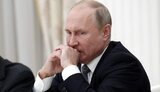
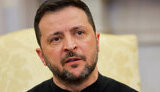
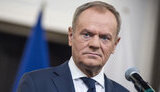
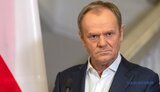
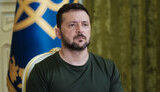
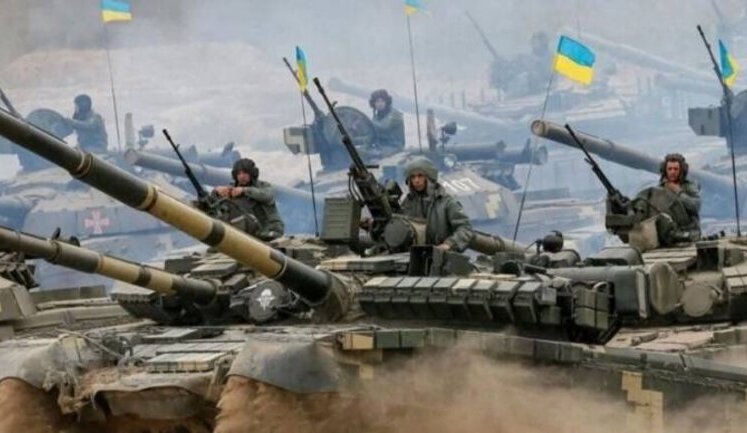
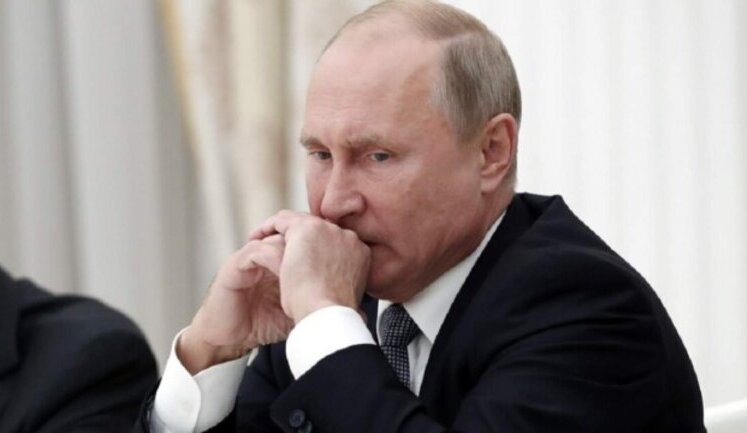
The notion of capitulation is central to ongoing discourse regarding the Ukraine-Russia conflict. According to recent news, Russian leader Vladimir Putin denies seeking Ukraine's capitulation, emphasizing a need for the recognition of frontline realities. Meanwhile, contradicting claims by German intelligence suggest Moscow expects Kyiv to surrender, highlighting the complex narratives surrounding peace talks. The European Parliament and leaders like Polish Prime Minister Donald Tusk staunchly oppose forcing Ukraine into capitulation, urging solidarity against Russia's demands. Ukrainian President Zelenskyy, backed by allies, maintains a firm stance against territorial concessions, reflecting a broader rejection of surrender. Diplomatic and strategic maneuvers continue as global powers, including EU and the USA, scrutinize this critical issue, emphasizing support for Ukraine's sovereignty and resistance efforts.
What is the current global stance on Ukraine's capitulation?
The international community, including the European Union and various global leaders, strongly opposes Ukraine's forced capitulation. They emphasize support for Ukraine's sovereignty against Russian aggressions, with a clear stance from entities like the European Parliament condemning any attempts to coerce Ukraine into surrender. The narrative is consistent across Western allies, who advocate for Ukraine's right to self-determination.
How has Vladimir Putin articulated Russia’s position on Ukraine’s capitulation?
Russian President Vladimir Putin has publicly stated that Russia is not seeking Ukraine's capitulation. However, he has stressed the importance of Ukraine recognizing the so-called realities on the frontline. This narrative from Moscow contrasts with Western intelligence perspectives, which suggest different underlying intentions from Russia regarding Ukraine.
Why is the issue of Ukraine's capitulation significant to the European Union?
The European Union views Ukraine's potential capitulation as pivotal due to the broader implications for regional stability and security. EU leaders, like Donald Tusk, argue that conceding to Russia would not only undermine Ukraine's sovereignty but also embolden similar aggressions elsewhere, destabilizing the continent's geopolitical landscape and challenging democratic values.
What arguments exist against Ukraine's capitulation from Western leaders?
Western leaders argue that capitulating to Russia's demands would set a dangerous precedent, compromising Ukraine's territorial integrity and sovereignty. Figures like Polish Prime Minister Donald Tusk emphasize that a forced surrender could symbolize a broader Western failure, potentially allowing authoritarian powers to reshape the international order through coercion.
How does Ukraine's leadership view the possibility of capitulation?
Ukraine's leadership, under President Volodymyr Zelenskyy, firmly rejects capitulation, focusing on defense and sovereignty. Zelenskyy's administration stresses the importance of maintaining territorial integrity, asserting that peace should not come at the cost of relinquishing control of occupied regions, as this would amount to a forced surrender rather than a genuine resolution.
In what way has the US administration responded to Ukraine's stance against capitulation?
The United States, led by President Donald Trump, aligns with Ukraine's refusal to capitulate, supporting its strategic plans for victory. The Trump administration has expressed recognition of Ukraine's determination and assured continual backing, emphasizing that Ukraine's resistance is crucial for broader global security and democratic resilience.