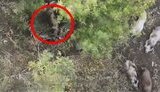
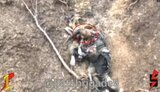
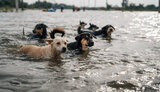
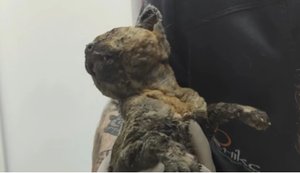
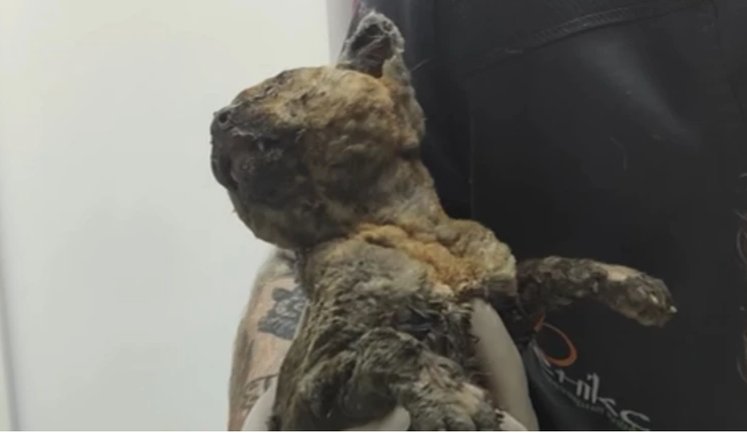
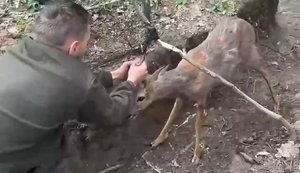
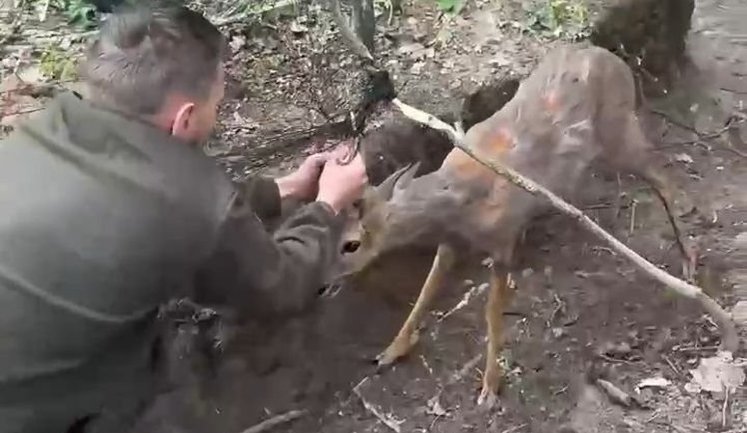
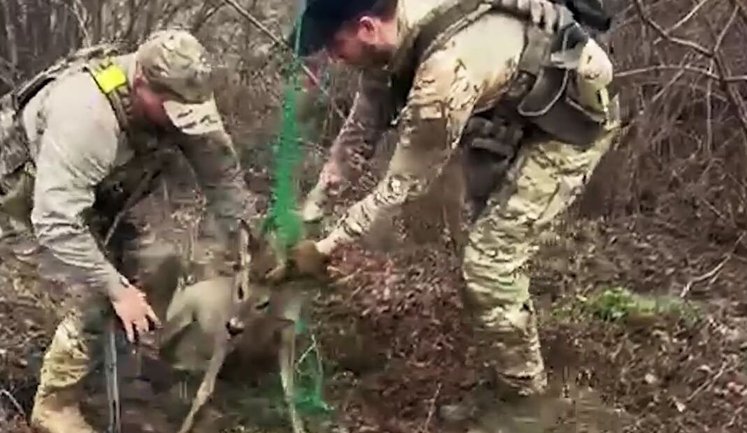
Animals have found themselves at the heart of war stories, from Ukrainian soldiers rescuing animals trapped in warfare, to animals playing unexpected roles in the conflict. The 13th Brigade of Ukraine’s National Guard recently rescued a roe deer entangled in an anti-drone net, reflecting the ongoing commitment to saving animals amidst chaos. Similarly, soldiers evacuated a cat and dog from a combat zone using drones, showcasing technology in animal rescue. Meanwhile, Russian forces have faced criticism for using animals like donkeys to transport ammunition. These stories highlight the complex humanitarian challenges and the resilience of people and animals in war zones, illustrating a unique aspect of the Ukraine-Russia conflict.
How have Ukrainian soldiers been involved in animal rescues?
Ukrainian soldiers have actively participated in animal rescues. For example, troops from the 13th Brigade of the National Guard saved a roe deer entangled in an anti-drone net in Kharkiv. Additionally, the 14th Separate Mechanised Brigade conducted a drone-assisted evacuation of a dog and cat from a combat zone. These actions underscore their dedication to animal welfare amidst conflict.
What unusual roles have animals played in the Ukraine conflict?
Animals have played various roles in Ukraine's conflict, from direct involvement in rescue missions to being victims. Ukrainian forces rescued many animals, whereas Russian troops have been reported using donkeys to carry military equipment. These instances highlight how war impacts animals and showcases initiatives to protect them.
What incidents highlight the use of animals by Russian forces?
Russian forces have been reported using animals as logistical support in the conflict, notably employing donkeys to transport ammunition to front lines due to resource limitations. This highlights the resource-strapped conditions and the controversial use of animals in military operations.
How have animals been affected by military actions in Ukraine?
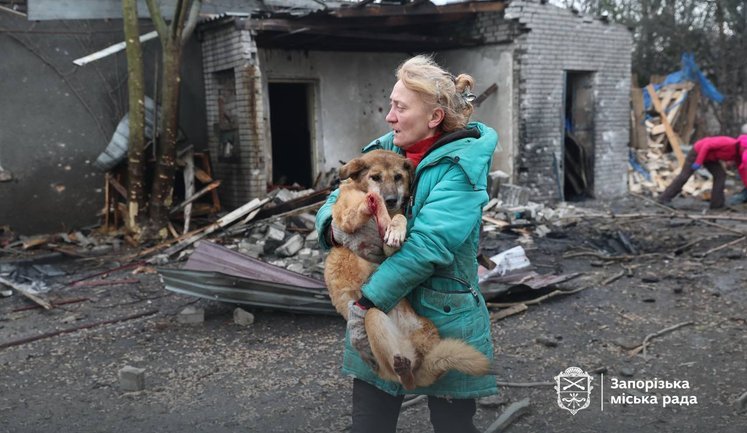
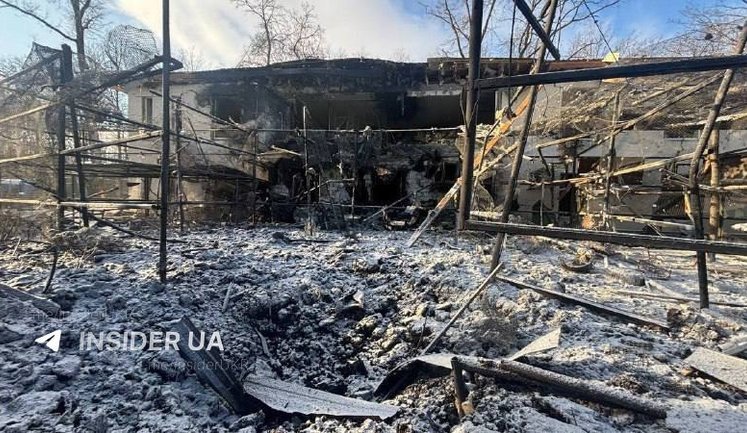
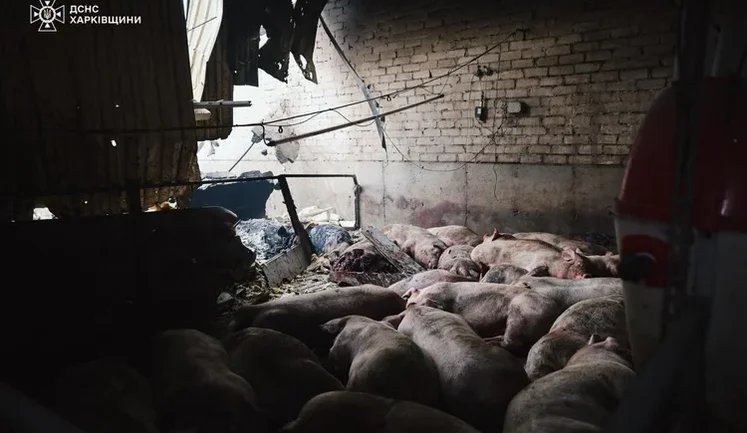
Animals in Ukraine have suffered directly due to military actions. For instance, Russian shelling damaged a dog shelter in Zaporizhzhia, injuring many animals. Moreover, airstrikes on an eco-park near Kharkiv killed elite birds and injured lions, illustrating the severe impact of warfare on animal life.
What challenges do stray animals face in war-affected regions?
Stray animals in war zones face numerous challenges, including lack of food and shelter. In regions like Kharkiv and Dnipropetrovsk, volunteers work tirelessly to aid these animals, which often end up scavenging due to the absence of regular care or sustenance, showing the dire humanitarian aftermath of conflict.
How have drones been used in animal rescues during the war?
Drones have become essential tools in animal rescues during the war. Ukrainian forces utilized drones for a unique operation to evacuate a dog and cat from a combat zone, demonstrating how technology can aid in humanitarian efforts. This highlights the innovative approaches taken to ensure animal safety amidst military conflict.