13663 visitors online
The debate over using frozen Russian assets for Ukraine's benefit is intensifying across Europe and the US. Ukraine plans to capitalize on €210 billion worth of these assets, reflecting a critical move in economic reparations. As Europe approves a €90 billion loan to Ukraine, calls for utilizing the frozen assets amplify, highlighted by President Zelenskyy. This maneuver aims to address Ukraine's reconstruction and defense needs, showcasing a significant international financial intervention. Despite varied international stances, this strategy, if finalized, could provide a substantial boost to Ukraine's post-war recovery while holding Russia accountable for its actions. Persistent discussions among EU members and international entities reveal both support and resistance, intensifying around political, legal, and moral implications.

Why is the use of frozen Russian assets for Ukraine significant?

The use of frozen Russian assets is significant as it represents a form of reparation for Ukraine's war-induced damages. Ukraine expects to utilize an estimated €210 billion of these assets to fund reconstruction and economic recovery efforts, marking a crucial step towards holding Russia accountable for its aggression. This move, however, has triggered polarized views globally, ensuing discussions over legal, financial, and geopolitical implications.

What are the main obstacles to using frozen Russian assets?

The main obstacles include legal complexities and geopolitical disagreements. Some EU members, along with countries like the US and Japan, voice concerns over the precedent set by reallocating sovereign assets without a court ruling. These concerns are compounded by political pressures within EU states, further complicating swift consensus on their use for Ukraine's aid.

How much financial aid is Ukraine receiving aside from frozen assets?

Beyond the anticipated use of frozen Russian assets, Ukraine is set to receive €90 billion from the European Union for 2026-2027. This financial aid aims to bolster Ukraine's defense, economic stability, and infrastructure, providing a safety net as the country navigates the challenging post-war landscape. This allocation is part of larger international support aimed at aiding Ukraine's recovery and resilience.

How does the European Union plan to manage the distribution of reparations?

The European Union is exploring mechanisms such as a "reparations loan" to manage the transfer of frozen Russian assets for Ukraine. This involves structured financial channels aimed at ensuring the efficient use of funds in rebuilding Ukraine's devastated infrastructure and economy. Detailed agreements among EU members are crucial for facilitating this distribution effectively, despite ongoing internal disputes.

Are there alternatives to using frozen Russian assets for Ukraine?

Yes, alternatives include reserving borrowing and increased direct financial aid from EU member states. Discussions are also exploring other liquidity sources beyond the European Central Bank. While these alternatives provide a fallback, the consensus underlines the necessity of using Russia's frozen assets due to their symbolic and financial significance in covering Ukraine's reparative ambitions.

What are the potential geopolitical impacts of using these assets?

The geopolitical impacts could be profound, affecting EU-Russia relations and setting a legal precedent for handling state-owned assets. Eu’s decision highlights international stances on accountability for wartime actions, potentially inspiring future strategies for similar scenarios. However, it risks escalating tensions with countries resistant to non-consensual asset reallocation, marking a pivotal moment in international law interpretations.

How are different countries reacting to the plan to use frozen Russian assets?

Reactions vary, with some countries like France and Poland supporting the use as a necessary moral and financial step. Conversely, nations such as Belgium express concerns over possible economic consequences and precedent challenges. The US displays a cautious stance, advocating for asset return post-peace agreements, reflecting a complex landscape of international diplomacy and domestic pressures.

What role does President Zelenskyy play in this negotiation?

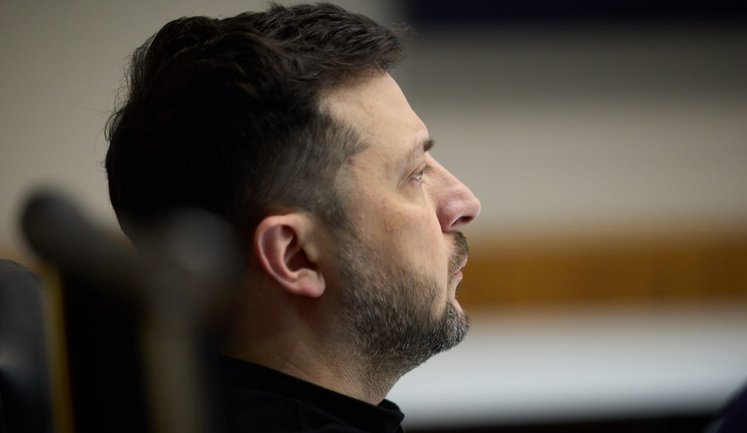
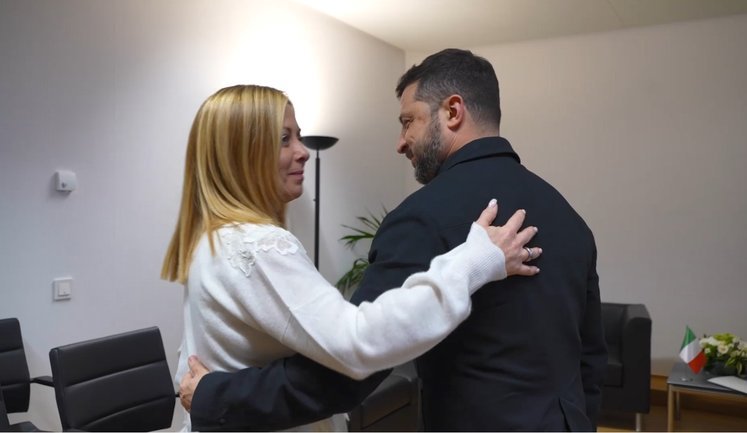
President Zelenskyy actively champions the use of frozen Russian assets as a key recovery strategy for Ukraine. He highlights both the moral and financial imperatives, engaging in diplomatic efforts during EU summits and international meetings. His role is central in negotiating terms, rallying support, and addressing opposition, making him a pivotal figure in steering the conversation toward fostering global accountability for Russia's actions.

show details

Related TOP news Use of frozen assets of Russian Federation

European Commission European Commission proposes using frozen Russian assets to provide Ukraine with €140 billion loan, - Politico The European Commission has presented EU member states with the idea of using frozen Russian assets to finance a new €140 billion loan for Ukraine. 646 4 Previously in trend: Use of frozen assets of Russian Federation

Ukraine and the EU EU is seeking alternative to ECB to provide Ukraine with "reparations loan," - European Commission The European Commission is seeking alternative sources of liquidity to provide Ukraine with a "reparations loan" after the European Central Bank (ECB) refused to provide funds. 807 2 Previously in trend: Use of frozen assets of Russian Federation

Kallas EU seeks way to use Russian assets to support Ukraine, taking into account Belgium’s risks - Kallas The EU's top diplomat, Kaja Kallas, said she understood Belgium's concerns about a "reparation loan" to Ukraine using Russian assets, and that the EU would seek solutions that would take these risks into account. 438 1 Previously in trend: Use of frozen assets of Russian Federation Reparations from Russia

Finnish Foreign Minister Elina Valtonen EU may agree Ukraine funding plan in December – Finnish FM Valtonen The European Union is likely to finalise its plan to finance Ukraine in December. 275 0 Previously in trend: Use of frozen assets of Russian Federation

Georgia Georgia signed agreement on mechanism for reparations from Russian assets for Ukraine Georgia unexpectedly signed an international agreement establishing a mechanism to distribute reparations received from Russian assets among Ukrainian citizens and companies. 2 322 5 Previously in trend: Use of frozen assets of Russian Federation Reparations from Russia

Lars Løkke Rasmussen Danish Foreign Minister Rasmussen: EU must provide "reparations loan," otherwise "we will leave Ukraine in very difficult situation" Danish Foreign Minister Lars Løkke Rasmussen said that it is extremely important for the European Union to ensure a decision on the so-called "reparations loan" for Ukraine so that Kyiv has resources for next year and so that Europe proves its ability to make the necessary decisions. 1 089 0 Previously in trend: Use of frozen assets of Russian Federation Reparations from Russia

Reparations loan for Ukraine. The Netherlands warns of risks Schoof on use of frozen Russian assets: EU and G7 should share risks for Belgium EU and G7 member states should jointly share the legal and financial risks associated with the use of frozen Russian assets in order to relieve Belgium of the excessive burden. 745 0 Previously in trend: Transfer of frozen Russian assets to Ukraine Use of frozen assets of Russian Federation confiscation of frozen assets

Confiscation of Russian asset: Belgium and the European Commission will hold a meeting European Commission, Belgium to meet amid Russian asset dispute - Politico Senior officials from the European Commission and the Belgian government will meet on Friday to try to break the political deadlock over the use of frozen Russian state assets to finance a €140 billion reparations loan to Ukraine. 615 4 Previously in trend: Use of frozen assets of Russian Federation Confiscation of Russian assets

The European Council may adopt a decision on frozen Russian assets Merz and Orpo expect progress on using frozen Russian assets for Ukraine German Chancellor Friedrich Merz and Finnish Prime Minister Petteri Orpo optimistically assessed the prospects for a decision at the EU summit. 431 0 Previously in trend: Use of frozen assets of Russian Federation

cEuropean Parliament speeds up approval of reparations loan to Ukraine European Parliament is preparing to approve "reparation loan" to Ukraine under accelerated procedure The European Parliament intends to apply the so-called urgency procedure to speed up the adoption of a "reparation loan" to Ukraine. This may happen after EU leaders agree on the use of frozen Russian assets for the benefit of Ukraine. 788 1 Previously in trend: Use of frozen assets of Russian Federation

Japan to transfer first funds to Ukraine from frozen Russian assets in early 2026 Ukraine to receive first funds from Japan derived from frozen Russian assets in early 2026 Ukraine will receive its first funds from Japan, generated through revenues from frozen Russian assets, at the beginning of 2026. 848 1 Previously in trend: Use of frozen assets of Russian Federation

Budrys on delays in financing Ukraine Budrys on delays in financing Ukraine: Time is playing into Russia’s hands, we must deprive it of that scenario As early as the beginning of 2026, Ukraine risks finding itself in a financial trap due to the European Union's delays in approving a reparations loan, which plays into Russia's hands. 699 0 Previously in trend: Aid to Ukraine Use of frozen assets of Russian Federation

EU to provide Ukraine with tranche of proceeds from frozen Russian assets EU to send third €1.6bn tranche of frozen Russian assets to Ukraine The European Union will provide Ukraine with another 1.6 billion euros derived from the proceeds of Russian assets blocked in the EU. 444 1 Previously in trend: Use of frozen assets of Russian Federation

Austria Austria endorses idea of "reparations loan" for Ukraine: Russia should bear financial responsibility for war Austria welcomes the European Commission's proposal to create a "reparation credit" for Ukraine based on frozen Russian assets, but is awaiting the publication of the legal text for detailed analysis. 498 1 Previously in trend: Use of frozen assets of Russian Federation Reparations from Russia

Siliņa on reparations loans for Ukraine Latvia supports European Commission’s proposal for reparations loans for Ukraine - Prime Minister Siliņa Latvian Prime Minister Evika Silinja supports the European Commission's proposal to use Russian immobilized assets to help Ukraine. 383 1 Previously in trend: Transfer of frozen Russian assets to Ukraine Use of frozen assets of Russian Federation

Page 3 of 3