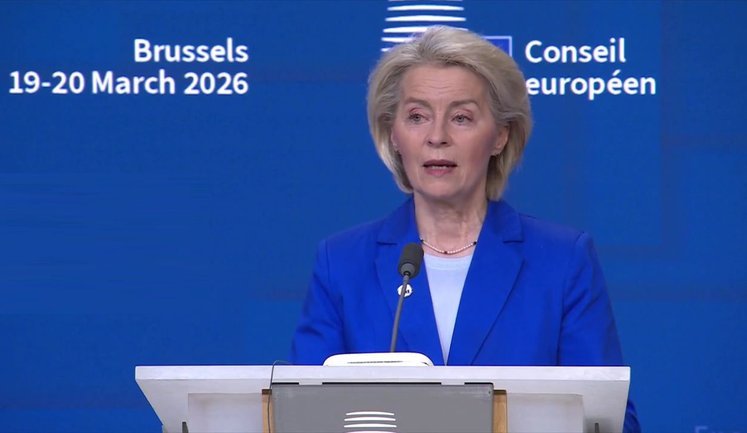
The European Union has announced a €90 billion loan package for Ukraine, with plans to disburse the first tranche by June 2026. This financial aid is intended to bolster Ukraine's military capabilities, with the initial funds directed towards purchasing Ukrainian-made drones. The potential participation of the United Kingdom in this credit facility is also under consideration, which could strengthen Ukraine's defense purchases. However, discussions persist as some EU member states, including Hungary and Slovakia, have shown reluctance to fully support the initiative. The EU emphasizes the urgency of these funds, aiming to cover significant military needs and support Ukraine against ongoing external threats. Additionally, Ukraine's implementation of reforms plays a crucial role in the aid's authorization.
What is the purpose of the €90 billion EU loan to Ukraine?
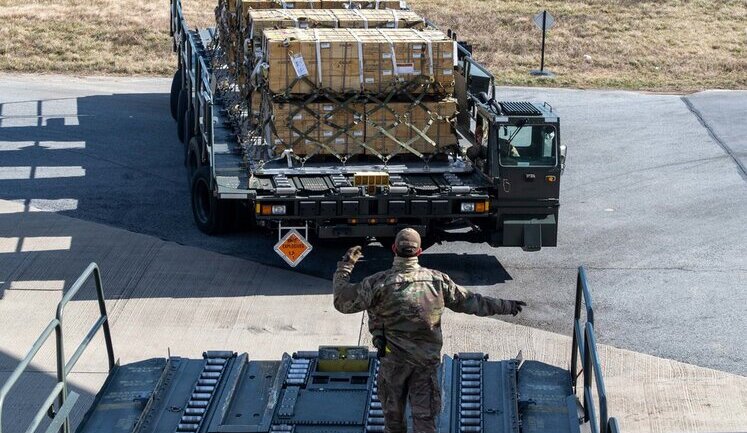
The €90 billion loan from the EU to Ukraine aims to support military enhancements, particularly focusing on the purchase of defense equipment including Ukrainian-made drones. This financial aid is essential for strengthening Ukraine's military infrastructure amid geopolitical tensions.
When will the first tranche of the EU loan to Ukraine be disbursed?
The European Union plans to disburse the first tranche of the €90 billion loan to Ukraine by the end of June 2026. This tranche is primarily intended for supporting Ukraine's defense capabilities through the acquisition of locally-produced drones.
Is the United Kingdom involved in the EU loan to Ukraine?
The United Kingdom may potentially join the European Union's €90 billion credit facility for Ukraine. This involvement could aid Ukraine in financing its purchase of military equipment, reinforcing its defense strategies against external threats.
Why are some EU member states opposing the loan to Ukraine?
Opposition from certain EU member states like Hungary and Slovakia is primarily due to political dynamics and strategic disagreements. These countries have voiced concerns about aspects of the loan and its implications, affecting unanimity within the EU decision-making process.
What reforms are required for Ukraine to secure the EU loan?
For Ukraine to secure the €90 billion loan, it must implement a series of complex reforms. These reforms are crucial for advancing negotiations on Ukraine's potential accession to the European Union and ensuring transparent and effective use of the funds.
What percentage of the EU loan is allocated to military needs?
Approximately two-thirds of the €90 billion EU loan, equating to €60 billion, is allocated to Ukraine's military needs. This significant portion underscores the EU's commitment to reinforcing Ukraine's defense capabilities amid ongoing geopolitical tensions.
How is the EU planning to bypass objections to the loan?
The EU is actively exploring alternative financing mechanisms to ensure that Ukraine receives the necessary funds, even if some member states continue to object. These mechanisms are designed to overcome political roadblocks and fulfill the EU's commitment to support Ukraine.
What role does reform play in the EU's financial support to Ukraine?
Reforms in governance and economic policy are pivotal for Ukraine to receive continued financial support from the EU. Implementing these reforms is a prerequisite for accessing the full benefits of the €90 billion loan and aligning with EU standards and expectations.