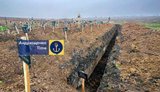
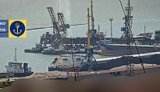
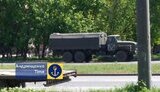
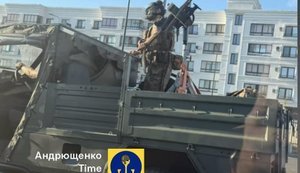
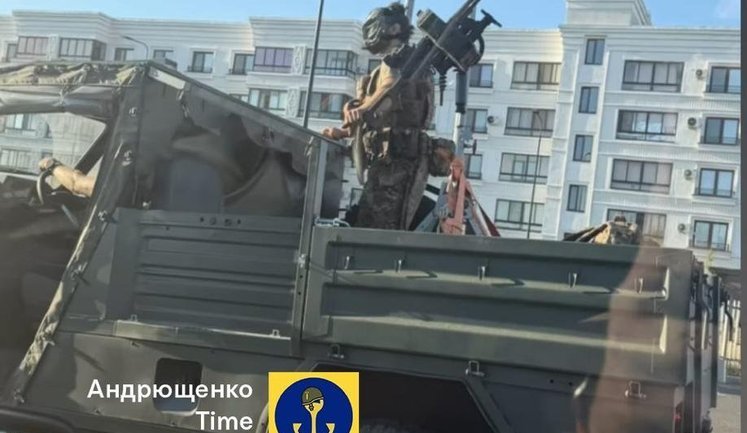
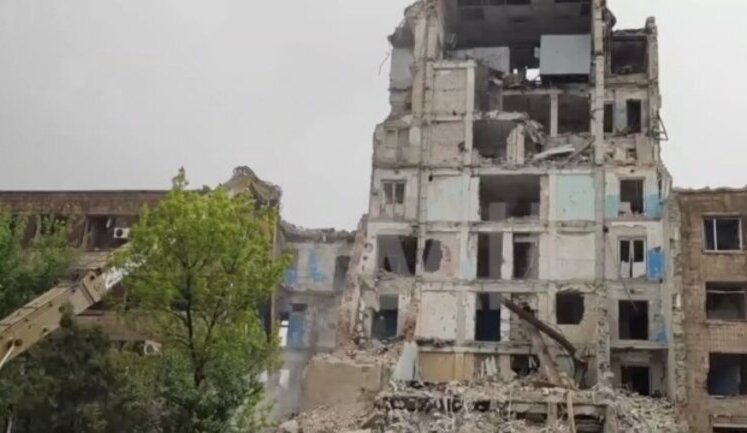
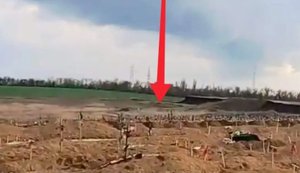
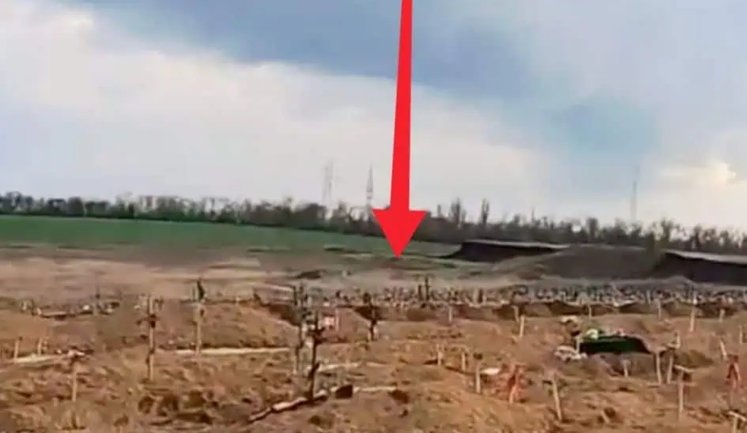
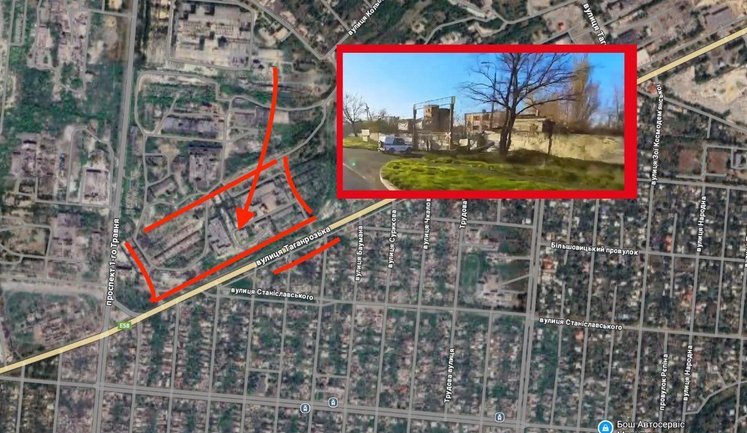
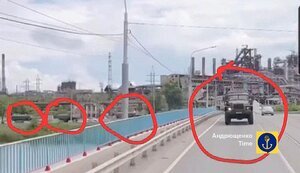
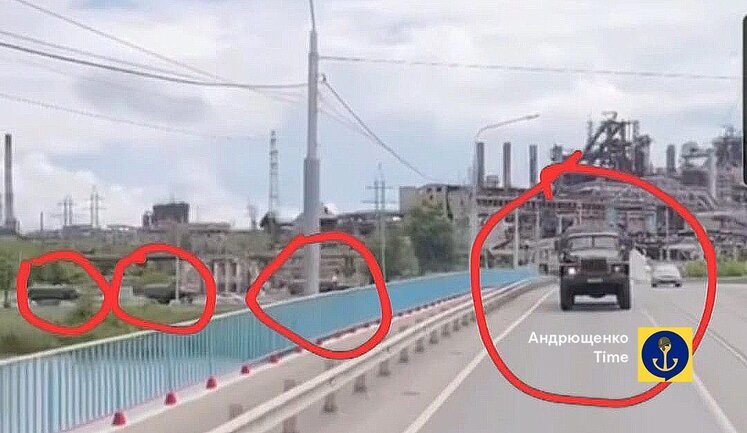
In the ongoing occupation of Mariupol, significant military activities and humanitarian issues persist. Russian forces are heavily mobilizing military equipment and personnel throughout the region. Recently, large-scale movements of armored vehicles and specialist units have been reported, further intensifying the military presence. Amidst this, the civilians of Mariupol are facing severe hardships, with frequent power outages and water supply disruptions in several districts, linked directly to the unstable conditions caused by the occupation. Evidence of mass graves and new military infrastructures highlight the ongoing plight and strategic preparations by Russian forces. The situation in Mariupol remains tense, with humanitarian and security concerns mounting.
What is the current situation regarding military activities in Mariupol?
The military situation in Mariupol involves extensive Russian troop and equipment movement, with new military bases and logistic routes being developed. Recent reports indicate a large influx of specialist units and build-up for potential offensives.
How is the civilian infrastructure of Mariupol being affected under occupation?
Civilian infrastructure in Mariupol is suffering significantly due to the occupation, with reported power outages and water supply disruptions affecting multiple districts. These issues are compounded by the militarization of the region by occupying forces.
What humanitarian challenges are residents facing in occupied Mariupol?
Residents of Mariupol face numerous challenges, including a lack of reliable water and power supplies. The ongoing conflict and military occupation exacerbate these issues, making everyday life difficult for the local population.
Are there signs of human rights violations in Mariupol during the occupation?
Yes, concerning signs of human rights violations have emerged, including the discovery of mass graves. The ongoing conflict and occupation create a difficult environment for upholding human rights and addressing humanitarian needs.
What long-term impacts could the occupation have on Mariupol's infrastructure?
The long-term impacts on Mariupol's infrastructure could be severe, with ongoing military use potentially leading to further degradation of essential services and infrastructure. Rebuilding will likely be a significant challenge post-conflict.
How does the military presence in Mariupol impact the strategic landscape of the region?
The military presence in Mariupol strengthens Russian control and serves as a strategic hub for potential offensives, particularly towards the Zaporizhzhia region. This presence also intimidates and disrupts local civilian life.
What discoveries have been made concerning mass graves in Mariupol?
Recent investigations have uncovered mass graves in Mariupol, providing disturbing evidence of casualties from earlier phases of fighting. These discoveries highlight past violence and potential war crimes committed during the occupation.
What steps are being taken to address the humanitarian needs in occupied Mariupol?
Efforts to address humanitarian needs are limited due to the occupation and ongoing conflict. External aid and intervention remain critical, but access to affected areas is often restricted, complicating relief efforts.
How has the Russian occupation altered the geopolitical dynamics in Ukraine?
The Russian occupation of Mariupol complicates the geopolitical dynamics in Ukraine, presenting a continuing challenge to Ukrainian sovereignty and stability in the region. It impacts international relations and negotiations ongoing in the conflict.
What economic impacts are anticipated from the occupation of Mariupol?
The occupation has significant economic impacts, disrupting trade routes, damaging infrastructure, and halting industry. Loss of resources and the cost of future reconstruction pose severe economic challenges for Ukraine.