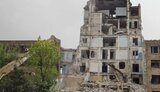
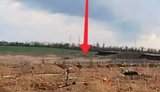
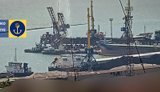
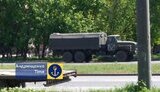
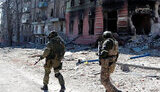
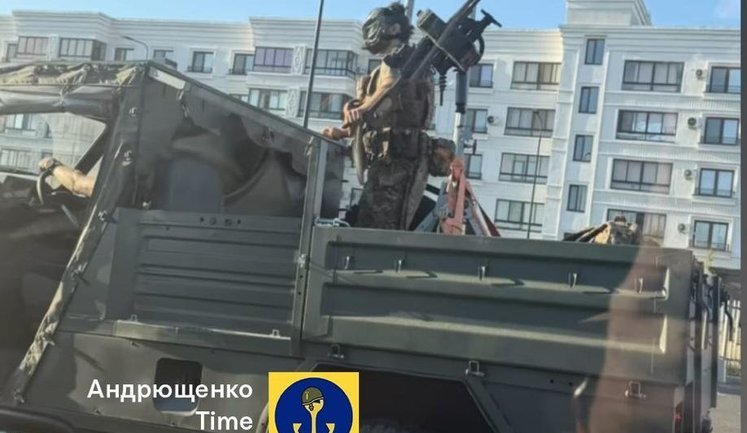
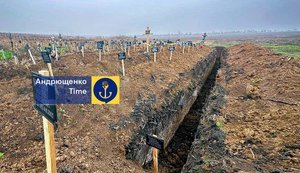
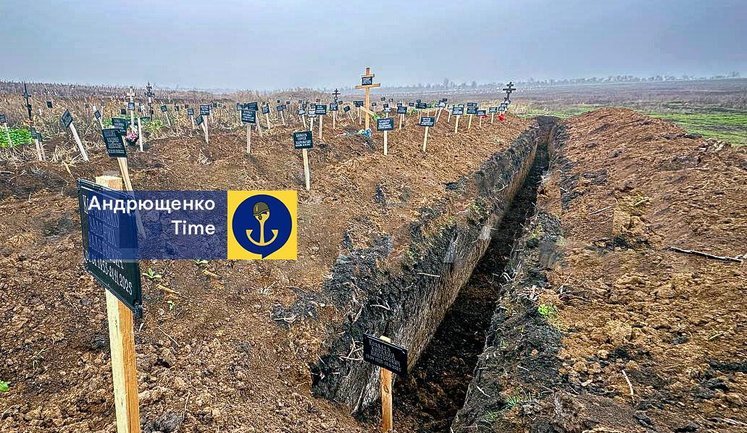
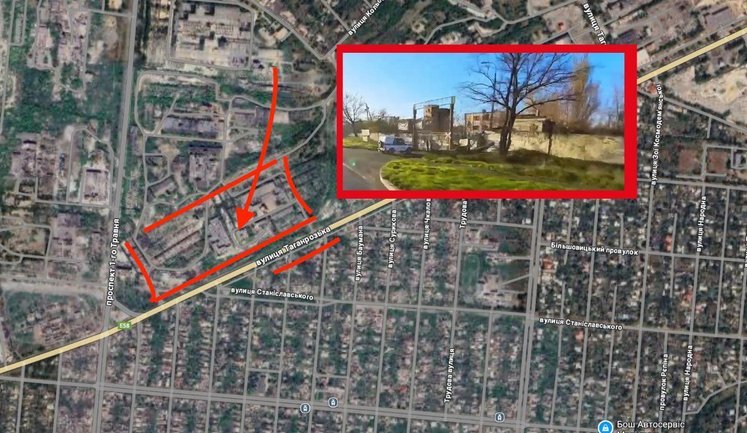
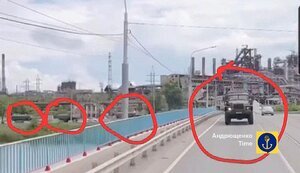
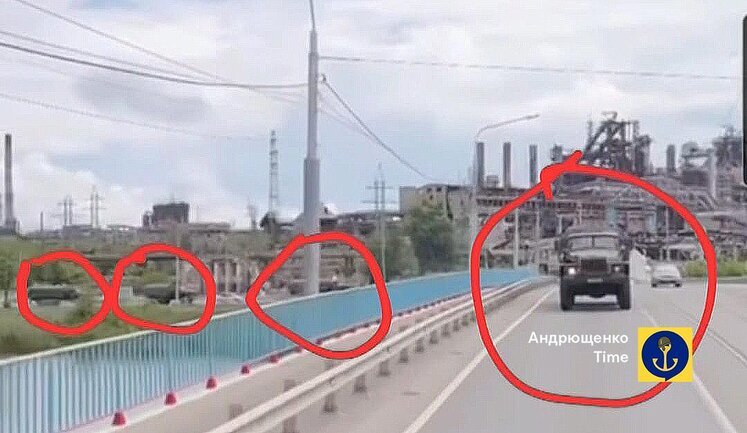
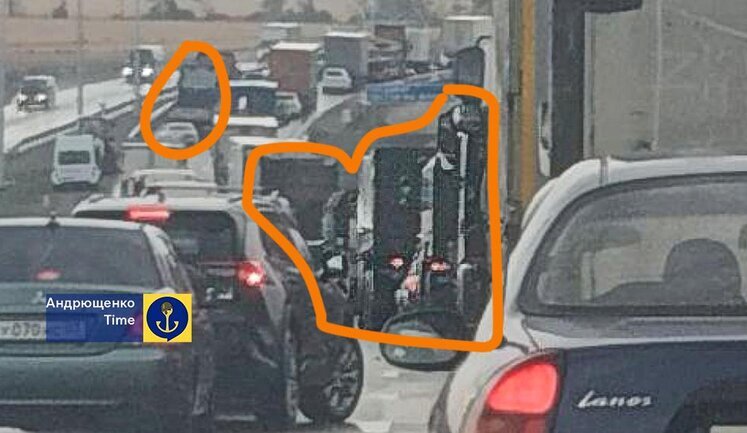
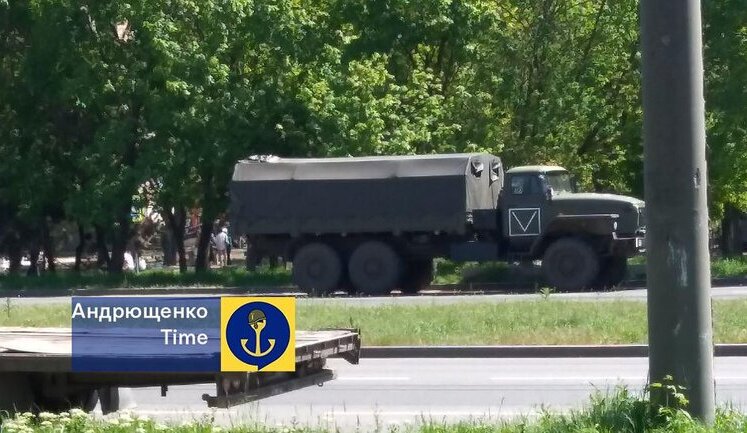
The occupation of Mariupol by Russian forces is marked by significant military developments. New military bases are being set up almost daily, solidifying control over the city. The arrival of elite Russian units, including FSB special forces and marines, highlights the city's strategic importance. Mariupol is being prepared as a hub for offensives, with construction of bypass roads to facilitate military and cargo movement. Moreover, reports indicate large-scale transfers of equipment and troops through Mariupol aimed at assaults in the Zaporizhzhia direction. Additionally, the port of Mariupol is being urgently prepared to receive military cargo, illustrating the occupiers' preparation for further operations. These movements underscore the intensified military activity and strategic planning by Russia in the region.
What military bases are being set up in Mariupol?
In Mariupol, Russian occupiers are rapidly establishing new military bases to consolidate their control. These bases are being recorded almost daily, demonstrating their strategic intent to fortify the city as a critical hub for military operations. Such infrastructure is essential for facilitating the deployment and maneuver of forces in the region.
Why is Mariupol significant for Russian military strategy?
Mariupol serves as a strategic location for Russian military operations due to its geographical and logistical advantages. It provides a crucial transportation route for military equipment and personnel, acting as a hub for launching offenses into surrounding territories. Additionally, its port facilities enhance the occupiers' ability to receive and deploy military cargo efficiently.
How are Russian forces utilizing Mariupol's infrastructure?
Russian forces are using Mariupol's infrastructure to support their military objectives by constructing bypass roads for efficient troop and equipment movement. They are enhancing port facilities to handle military cargo and establishing military bases to strengthen their operational command. These efforts underscore their aim to maintain and expand strategic capabilities in the area.
What elite units have been transferred to Mariupol?
Elite military units such as the FSB special forces and Russian Marine Corps have been transferred to Mariupol. Their presence indicates the emphasis on securing and controlling Mariupol strategically, allowing for better coordination of military actions in and around the occupied territories. These units enhance the overall military strength and tactical readiness within the region.
How is the port of Mariupol being used by Russian occupiers?
The port of Mariupol is being adapted for strategic military use by the Russian occupiers. They have accelerated preparations to optimize it for handling and transporting military cargo, which facilitates the routing of essential supplies, equipment, and reinforcements, critical for sustaining prolonged military engagements.
What roles do the bypass roads around Mariupol serve?
The bypass roads around Mariupol are being constructed to ease the movement of military convoys, equipment, and cargo. These roads help streamline logistical operations and enable rapid deployment of forces, crucial for both defensive and offensive maneuvers in the region, reinforcing Russia's tactical advantage in ongoing conflicts.
What is the current situation of industrial activity in Mariupol?
Current industrial activities in Mariupol are overshadowed by the military focus, and plans to build new factories have been marred by allegations of resource exploitation. While occupiers announced industrial developments, the reality is a strategic diversion of resources to bolster military logistics rather than genuine economic revitalization.
What evidence exists of Russian troop movements in Mariupol?
Evidence of Russian troop movements in Mariupol includes reported sightings of military convoys, heavy equipment transfers, and base formations. Reports highlight the movement of FSB units, marines, and Chechen fighters, signaling coordinated efforts to reinforce positions and prepare for potential military escalations within Ukraine.
How has the occupation affected Mariupol's civilian infrastructure?
The occupation has significantly affected Mariupol's civilian infrastructure. Military demands have repurposed essential facilities, and the strategic focus on military logistics has diverted resources away from civilian needs. These actions have led to disruptions in the civilian economy and everyday life, contributing to broader socio-economic impacts on the local population.
What are the future military plans for Mariupol as indicated by current activities?
Current military activities in Mariupol suggest plans for further consolidation and expansion of control, with infrastructure developments aimed at sustained military operations. The emphasis on building tactical hubs and transforming logistical capabilities indicates preparations for long-term strategic objectives in the region, potentially involving increased offensive actions.