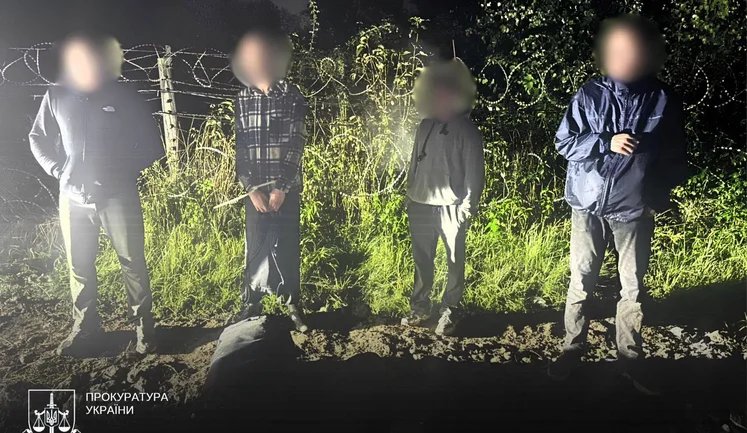
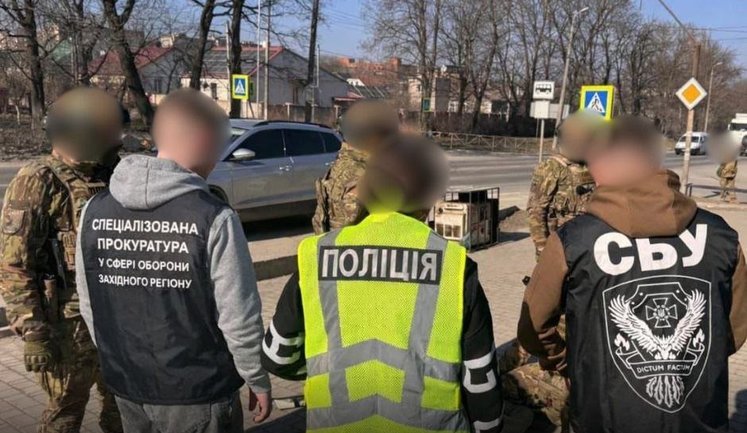
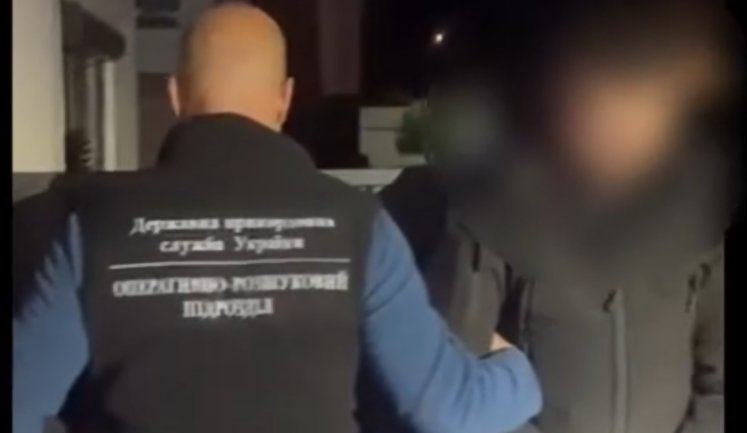
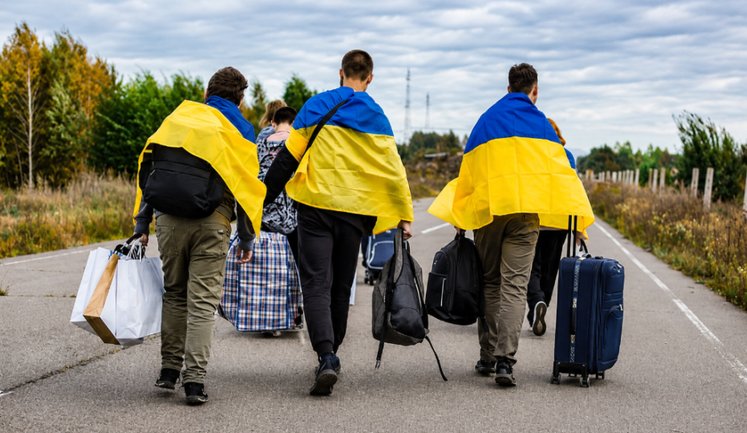
The issue of men's departure abroad has become a major topic of discussion in Ukraine and Europe. In recent months, numerous reports of illegal smuggling routes and organized networks have surfaced, particularly in regions like Zakarpattia and Rivne, where authorities have intervened to dismantle operations. Sentences have been handed out, such as a 7-year imprisonment for a serviceman involved in smuggling conscripts into Slovakia. President Zelenskyy has emphasized the need for men of mobilisation age to return to Ukraine, acknowledging the complexity of the situation. The European Union’s stance varies, with some countries like Denmark and Norway tightening migration policies and others retaining temporary protection for Ukrainian men of conscription age. Despite fluctuating border statistics, the State Border Service has clarified misconceptions about massive departures. The debate on conscription, protection, and the rights of those abroad continues to evolve with international implications.
What challenges does Ukraine face regarding the illegal smuggling of men abroad?
Ukraine faces significant challenges with the illegal smuggling of men abroad due to networks exploiting vulnerabilities for profit, which undermines national security and complicates Ukraine's efforts in maintaining a robust defense force. Additionally, the involvement of both locals and military personnel in such schemes exacerbates the matter, demanding strict legal actions and international cooperation to curb such activities.
How has the EU responded to the issue of Ukrainian men of conscription age seeking asylum?
The European Union's response has varied, with some nations tightening asylum and temporary protection policies for Ukrainian men of conscription age, while the broader EU stance remains focused on upholding human rights and offering temporary protection until March 2027. These discrepancies reflect broader debates on refugee rights and international obligations within the EU framework.
Why did President Zelenskyy urge men of mobilisation age to return to Ukraine?
President Zelenskyy urged men of mobilisation age to return to reinforce Ukraine’s defense capabilities during its ongoing military challenges. He acknowledges the individual and collective responsibilities of eligible men to support national efforts, emphasizing the urgency and complexity of balancing emigration with national service requirements.
What legal consequences exist for organising illegal smuggling of men from Ukraine?
Individuals involved in the illegal smuggling of men from Ukraine face severe legal consequences, including lengthy imprisonment terms, as evidenced by court rulings like the 7-year sentence given to a Zakarpattia serviceman. These legal measures reflect Ukraine's commitment to curtailing such illegal activities that undermine its border integrity and national security.
How does the Council of Europe view the EU restrictions on protection for Ukrainian men?
The Council of Europe has expressed concerns that EU-imposed restrictions on protection for Ukrainian men of conscription age may constitute discrimination and violate international human rights obligations. This highlights the tension between migration policy controls and adherence to human rights standards within Europe.
What are the implications of the rise in Ukrainian men of conscription age in Germany?
The rise in the number of Ukrainian men of conscription age residing in Germany underscores migration pressures and suggests increased challenges for repatriation efforts. It involves balancing humanitarian considerations with national security measures and collaborations between Germany and Ukraine to address potential unauthorized departures.
How has misinformation about men's departure from Ukraine affected public opinion?
Misinformation about mass departures of men from Ukraine, such as reports of over 500,000 leaving, has fueled public debate and uncertainty. These inaccurate claims necessitate official clarifications from authorities like the State Border Service, underlining the importance of reliable data in shaping informed public discourse and policy decisions.
What is the significance of the extension of temporary protection for Ukrainians in the EU until 2027?
The extension of temporary protection for Ukrainians in the EU until 2027 is significant as it ensures continued security and stability for those affected by conflict. It reflects the EU's commitment to humanitarian support, aligning with international standards while accommodating evolving political and military circumstances in Ukraine.
What impact might tightened migration policies in Norway and Denmark have on Ukrainian men?
Tightened migration policies in Norway and Denmark could restrict access to temporary protection for Ukrainian men of conscription age, potentially increasing the risk of forced returns or creating legal and social challenges for those seeking asylum. These measures spotlight ongoing policy debates surrounding national security and humanitarian responsibilities in Europe.