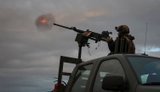
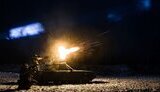
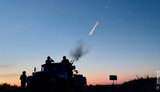
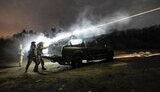
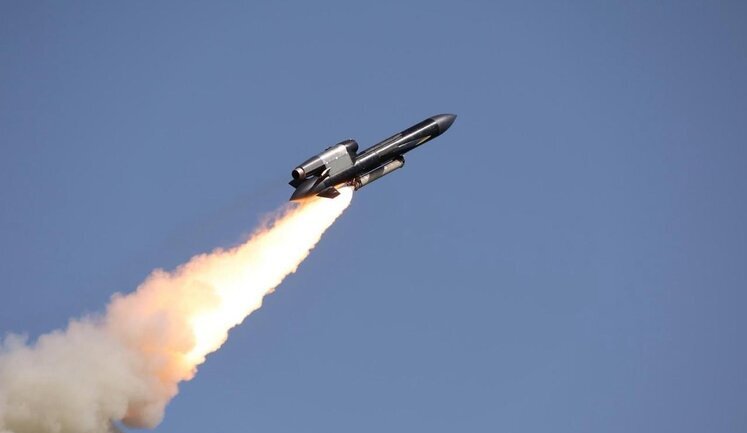
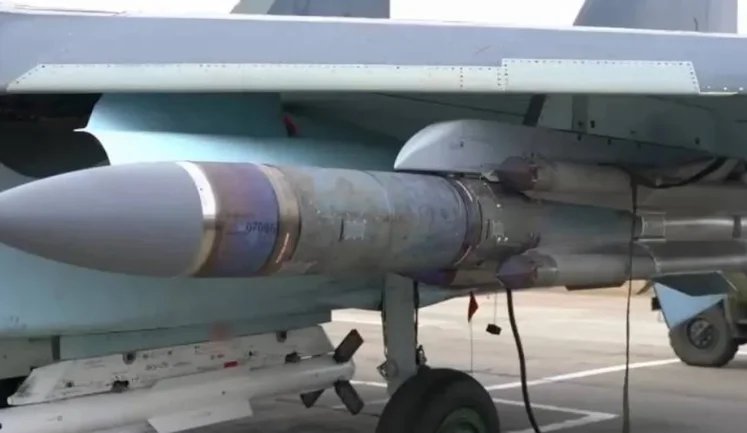
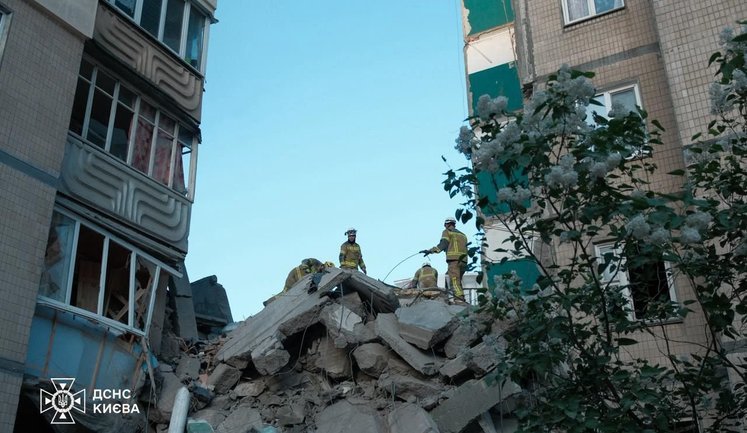
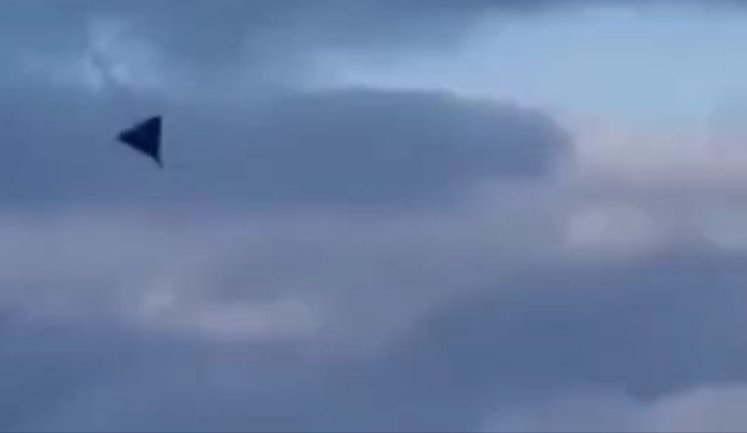
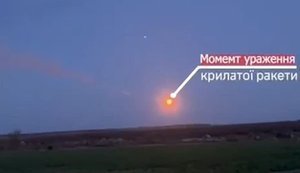
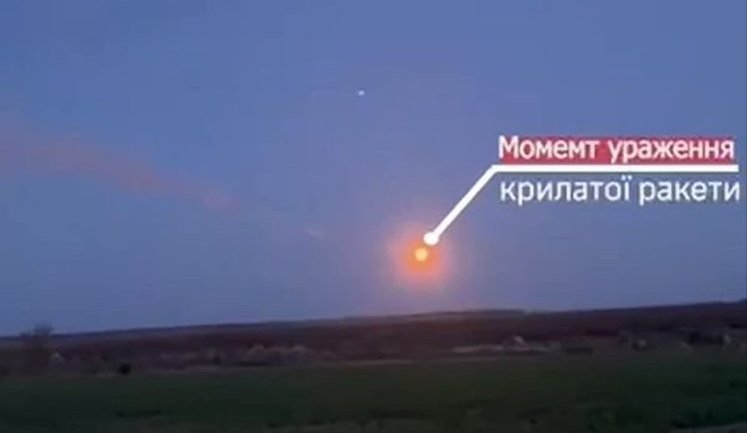
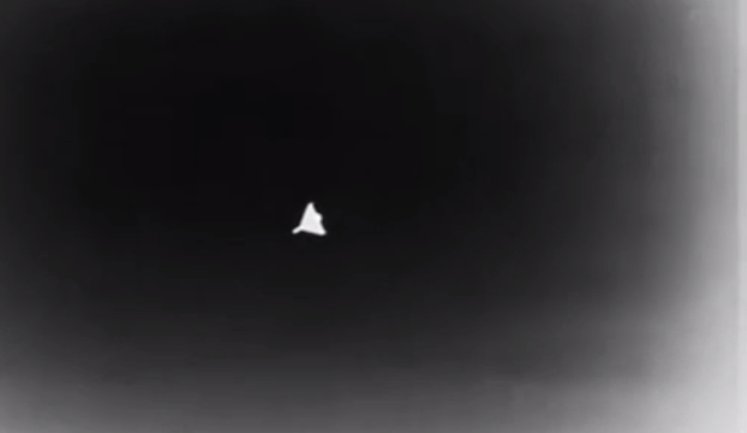
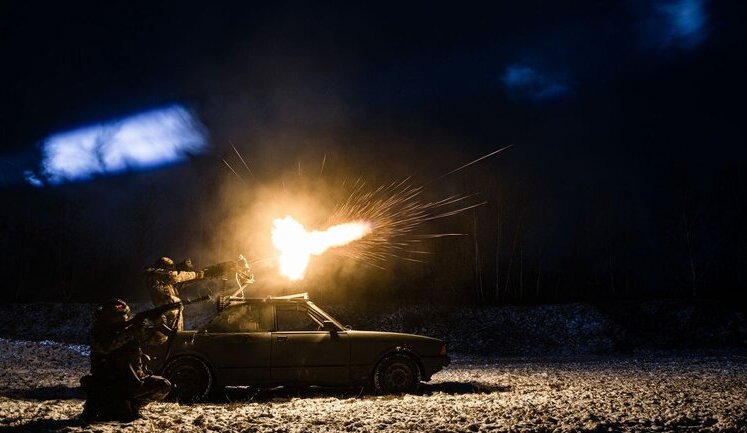
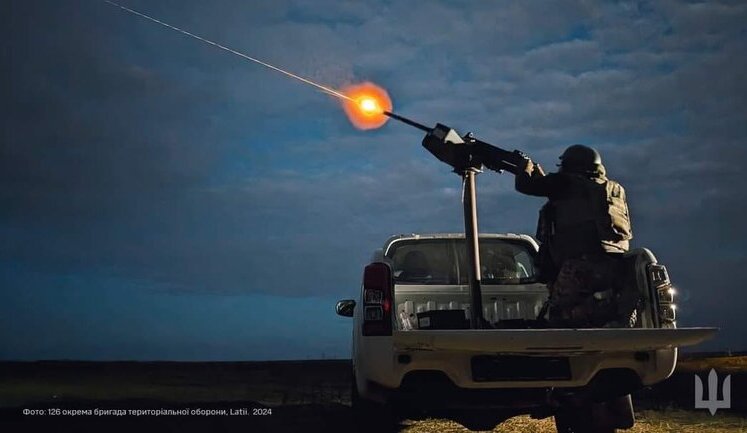
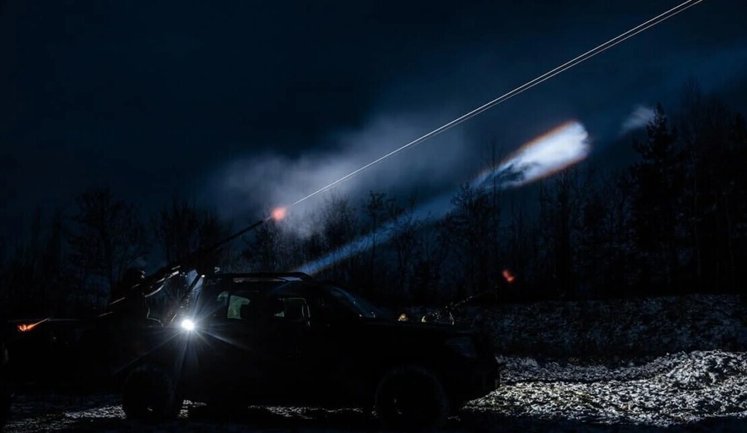
In recent air operations, the Air Defense Forces have exhibited remarkable efficiency in countering Russian attacks. On April 20, a significant assault included two Iskander-M ballistic missiles and 143 UAVs of various types. Impressively, 116 of these UAVs were neutralized. Additionally, Ukrainian defenders showcased their agility and competence by downing a Russian cruise missile with a MANPADS. Infographics indicate that between April 17 and 18, from a total of 219 attack drones launched, 190 were successfully intercepted. This period underscores a critical milestone, with over 703 targets launched by Russia, of which 636 UAVs were intercepted. These persistent defenses highlight Ukraine's tactical adaptability and the importance of maintaining robust air defense systems to safeguard nationhood.
How many ballistic missiles were launched by Russia during recent attacks?
During recent attacks, Russia launched two Iskander-M ballistic missiles. These attacks were aligned with coordinated UAV strikes, showcasing the persistent multi-faceted offensive approach employed.
What types of UAVs are primarily being used against Ukraine?
The UAVs primarily used against Ukraine include the Shahed, Gerbera, Italmas and other models. The 'Shahed' drones have been notably frequent in these attacks, often comprising a significant portion of the launched UAV fleets.
How did Ukrainian Air Defense Forces respond to the missile threats?
Ukrainian Air Defense Forces responded with excellent effectiveness, intercepting and neutralizing a large number of the UAV threats as well as successfully shooting down the ballistic and cruise missiles, reflecting their advanced strategic capabilities.
What is the success rate of the air interceptions against recent aerial attacks?
Recently, Ukrainian Defense Forces achieved high interception rates, reportedly neutralizing over 80% of the attack drones and successfully countering ballistic missile assaults, underscoring their defensive readiness and operational success.
What was a notable achievement of the Ukrainian defenders in these attacks?
One notable achievement was the destruction of a Russian cruise missile by Ukrainian defenders using a man-portable air defense system (MANPADS), demonstrating tactical dexterity and effectiveness of the deployed air defense strategies and technology.