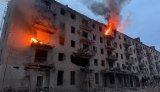
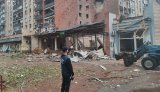
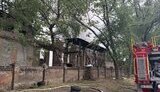
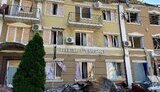
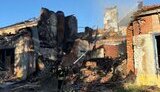
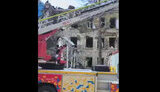
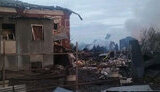
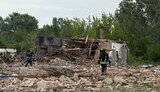
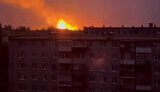
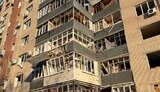
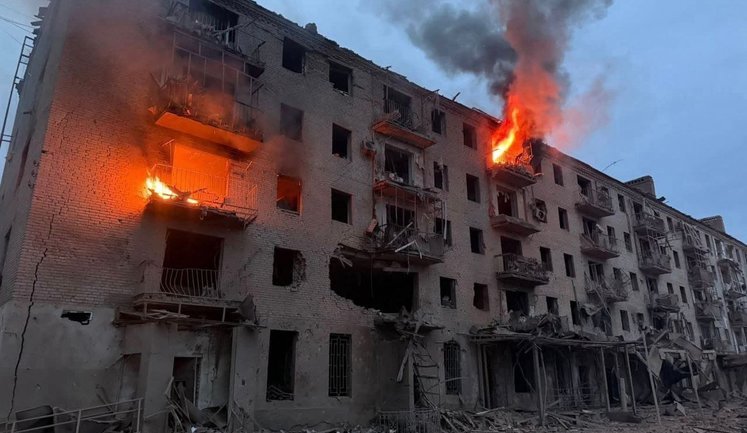
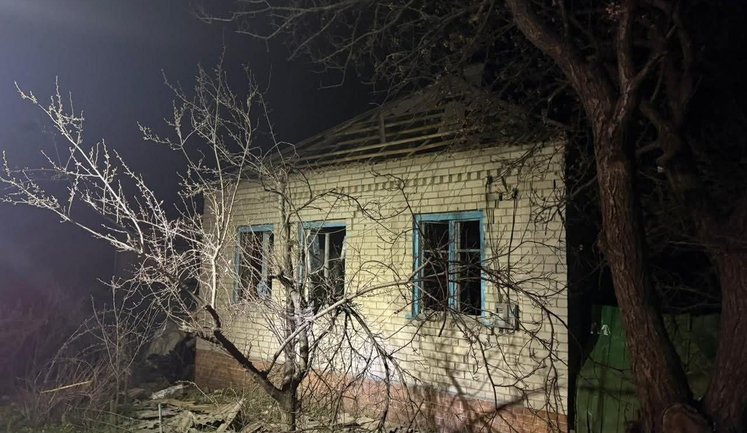
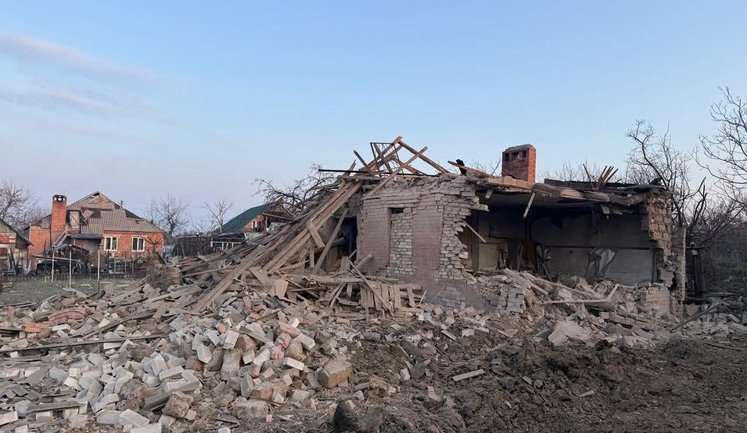
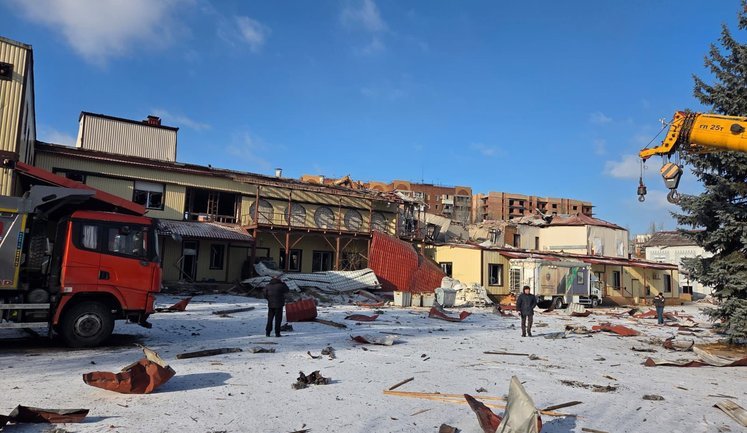
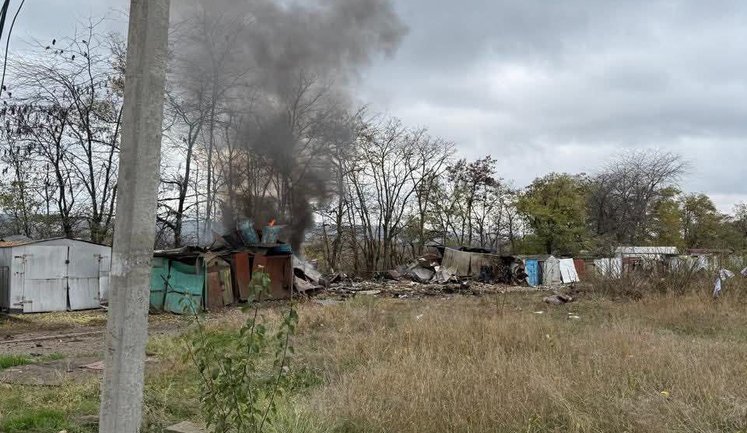
Sloviansk continues to endure relentless shelling as Russian forces intensify their attacks on the region. The latest reports reveal severe civilian casualties, including wounded children, amidst the ongoing Sloviansk siege. These aerial assaults have targeted residential areas, leaving significant damage in their wake. Russian troops have launched multiple strikes, employing various munitions, exacerbating the plight of Sloviansk inhabitants. The frequency and intensity of these attacks underscore the dire situation, as emergency services struggle to respond amid persistent threats. With Sloviansk under siege, international condemnation and calls for peace have heightened.
What is the current situation in Sloviansk regarding shelling?
The city of Sloviansk is experiencing frequent and intense shelling by Russian forces. This has resulted in numerous casualties, including children, and significant damage to infrastructure. The situation remains tense as attacks continue to escalate, affecting residential areas and public facilities.
How have the recent attacks impacted the civilian population in Sloviansk?
The recent attacks have had a devastating impact on Sloviansk's civilian population. Many residents have been injured, with reports of fatalities, including children. In addition to the human toll, the shelling has caused widespread damage to homes, schools, and hospitals, further exacerbating the humanitarian crisis in the region.
Why is Sloviansk a target for Russian shelling?
Sloviansk is strategically significant in the Donetsk region, making it a target in the ongoing conflict. The city has been subjected to intense shelling as part of broader military operations aimed at asserting control over the area. Its location and symbolic significance contribute to the persistent attacks by Russian forces.
What measures are being taken to protect civilians in Sloviansk?
Efforts to protect civilians in Sloviansk include evacuations, the establishment of temporary shelters, and coordinated emergency response actions by local and international aid organizations. However, the relentless nature of the attacks makes it challenging to ensure the safety and well-being of all residents.
How has the international community responded to the Sloviansk shelling?
The international community has condemned the shelling of Sloviansk, calling for a cessation of hostilities and urging diplomatic resolutions. Various countries and organizations have expressed solidarity with Ukraine, providing humanitarian aid and imposing sanctions on Russia in response to the ongoing aggression.
What types of munitions are being used by Russian forces in Sloviansk?
Russian forces have employed a range of munitions in their attacks on Sloviansk, including FABs, KABs, UAVs, and ballistic missiles. These diverse munitions have contributed to the extensive damage observed in the city and underscore the aggressive military strategy being employed in the region.
What is the strategic significance of Sloviansk in the current conflict?
Sloviansk is strategically significant due to its location in the Donetsk region, a focal point in the ongoing conflict. Control over this city and surrounding areas is crucial for both military and symbolic reasons, making it a persistent target in the military operations conducted by Russian forces.
What are the challenges faced by emergency services in Sloviansk?
Emergency services in Sloviansk face immense challenges due to the continuous attacks. These include a shortage of resources, the risk of further shelling during relief operations, and difficulties in reaching affected areas promptly. Despite these obstacles, they strive to provide critical assistance to the impacted population.
How has infrastructure in Sloviansk been affected by the shelling?
The shelling has severely impacted Sloviansk's infrastructure, with damage to residential buildings, schools, hospitals, and utilities. This has disrupted essential services, leaving many without shelter, medical care, and access to basic necessities, thereby compounding the humanitarian crisis in the region.
What humanitarian efforts are underway to assist Sloviansk residents?
Humanitarian efforts in Sloviansk involve aid distribution, medical assistance, and evacuations facilitated by local and international organizations. These efforts aim to alleviate the suffering caused by the shelling, providing critical support to those displaced or affected by the ongoing conflict.