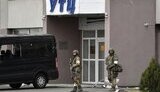
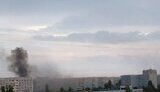
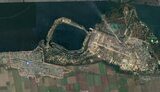
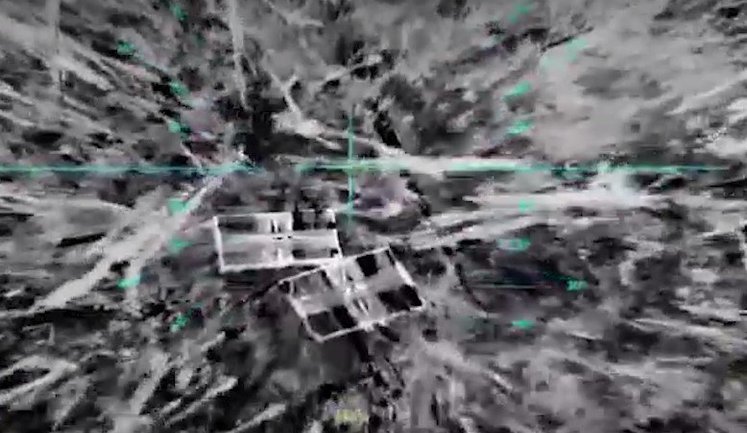
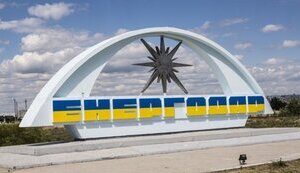
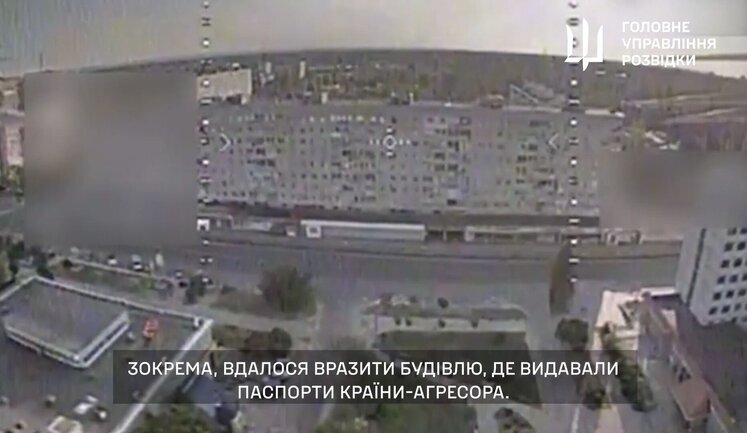
Enerhodar in the Zaporizka region remains a focal point for Russian military and political maneuvers. The Russian forces have intensified their presence around the Zaporizhzhia Nuclear Power Plant (ZNPP), escalating security concerns and creating regional instability. Residents of Enerhodar face ongoing human rights violations, with reports of kidnappings and false imprisonments like those of ZNPP employees Potynha and Lavryk. Moreover, targeted misinformation campaigns aim to undermine Ukraine's international support by blaming Ukrainian forces for supposed civilian harm in Russian-occupied territories. The information blockade and continued assaults have led Enerhodar to edge closer to a humanitarian crisis, with infrastructure damage and restricted mobility for residents, intensifying the challenges faced by local communities. Keeping abreast of these developments is crucial for a comprehensive understanding of the impact on regional stability and global nuclear safety.
What are the security challenges in Enerhodar concerning ZNPP?
The Zaporizhzhia Nuclear Power Plant (ZNPP) in Enerhodar faces extreme security challenges due to Russian occupation. The area around ZNPP remains tense as Russian forces escalate their control, prompting global concern over nuclear safety. This occupation means restricted access and increasing pressure on plant staff to comply with Russian authority, leading to human rights abuses and a shortage of skilled personnel critical for plant operation. The threat of military provocations also adds a layer of complexity, highlighting a need for international monitoring and intervention to safeguard the site.
How are Enerhodar's residents affected by Russian occupation?
The occupation has severely impacted Enerhodar's residents. They experience high levels of stress and insecurity due to ongoing military operations and repressive measures, including restricted movement and access to resources. Instances of abductions, forced conscription, and misinformation campaigns further escalate anxiety. The city's proximity to the nuclear plant amplifies these issues, posing additional risks from potential nuclear incidents while humanitarian aid and essential services remain minimal, threatening a humanitarian crisis.
What human rights violations have occurred in Enerhodar?
Human rights violations in Enerhodar are widespread under occupation. Russian forces have been accused of kidnapping, unlawful detentions, and false charges against locals, particularly ZNPP employees like Serhii Potynha and Ruslan Lavryk. The repression extends to civilian areas with indiscriminate shelling, restricted movements, and forced evacuations. Reports of using locals as human shields highlight the severe breach of international laws, necessitating urgent intervention from human rights organizations.
What provocations have Russians launched in Enerhodar?
In Enerhodar, Russian forces have launched several military and informational provocations. The most alarming involve attacks on civilian infrastructure and misinformation campaigns to discredit Ukrainian defense efforts. Efforts to redirect global blame for potential nuclear mishaps and falsely accuse Ukrainian forces of civilian harm represent strategic moves to mask their operations and destabilize international support for Ukraine. Such actions demand swift and comprehensive responses from global observers.
Does the Zaporizhzhia NPP pose a threat under occupation?
Yes, the Zaporizhzhia NPP poses significant threats under Russian occupation, not only to local residents but to the broader region. The plant's operational security is compromised by the military presence, and its staff are working under duress amidst a lack of skilled personnel. The risk of nuclear accidents increases with direct attacks on the facility's infrastructure and its utilization as a military shield, compelling immediate international oversight to prevent catastrophic scenarios.