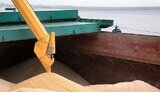
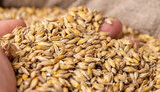
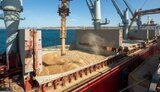
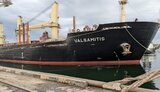
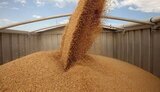
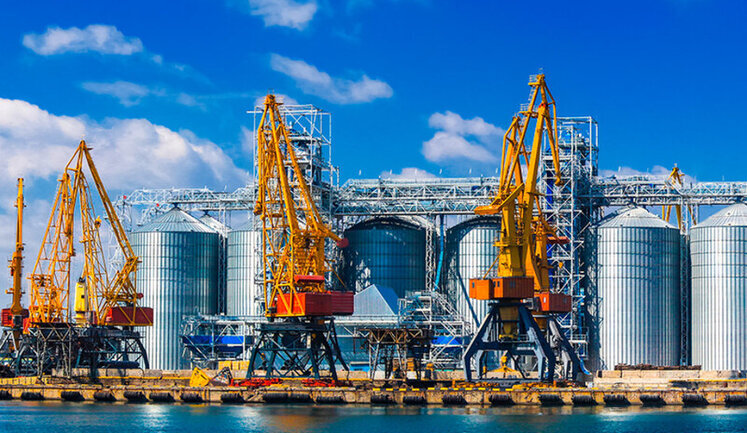
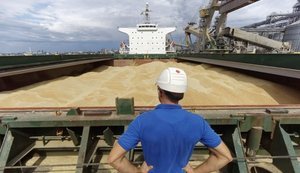
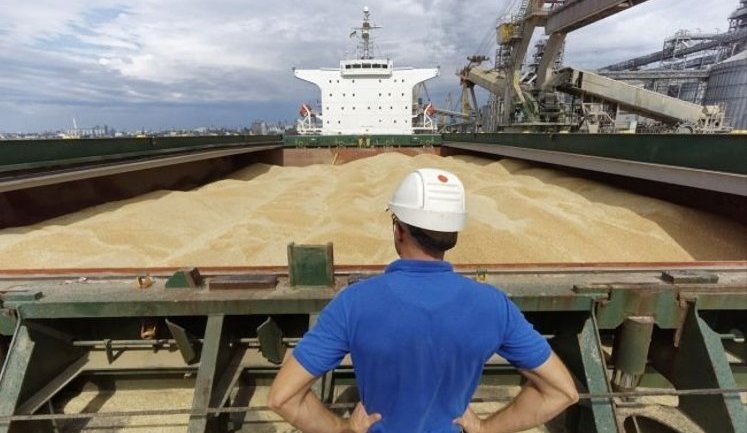
Recent events highlight the ongoing theft and illicit exportation of Ukrainian grain by Russian vessels. Notably, Egypt accepted the shipment of stolen grain, causing tension as Ukraine criticized this move. In contrast, Israel has refused such shipments, showcasing international support for Ukraine's cause. This situation underlines the broader conflict's impact on global grain markets and Ukraine's agricultural strength. Key players like the UK and Lithuania are working with Ukraine to curb these illegal activities by enhancing grain origin verification. The international community is urged to act against vessels facilitating these schemes.
What is the impact of grain theft from Ukraine on global markets?
Grain theft from Ukraine significantly disrupts global markets, contributing to price volatility and insecurity in global food supplies. This situation affects countries reliant on Ukrainian grain, highlighting the broader economic consequences and the need for enhanced international regulations and support against illicit exports.
How is Ukraine combating stolen grain exports?
Ukraine is actively engaging its international partners, such as the UK and Lithuania, to implement verification systems to track and stop illicit grain exports. Diplomatic channels are also being used to protest and prevent unauthorized shipments in foreign ports, aiming to curb the illegal activities further.
Why did Egypt accept shipments of stolen Ukrainian grain?
Despite international condemnation, Egypt allowed the unloading of a vessel with stolen Ukrainian grain. The reasons might relate to internal economic needs or political factors, but such actions have sparked global criticism and calls for compliance with international laws to support Ukraine.
Which countries have refused to unload ships carrying stolen Ukrainian grain?
Israel has notably refused to unload ships suspected of carrying stolen Ukrainian grain, reflecting their alignment with international support for Ukraine. Other countries are facing diplomatic pressure to follow suit, emphasizing global adherence to preventing the laundering of illicit goods.
How has Russia's grain theft been addressed legally by Ukraine?
Ukraine leverages legal frameworks, summoning foreign diplomats and demanding the seizure of vessels involved in grain theft. The Prosecutor General's Office has been proactive in demanding justice and sanctioning those involved, which underscores Ukraine's resolve to reclaim their agricultural resources.
What are the broader political consequences of grain theft from Ukrainian territories?
The political consequences include strained international relations, as Ukraine presses allies to halt vessels carrying stolen goods. These tensions can affect diplomatic ties and economic collaborations, prompting a strategic re-evaluation by those involved to maintain international compliance and support Ukraine's sovereignty.