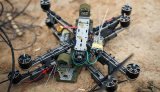
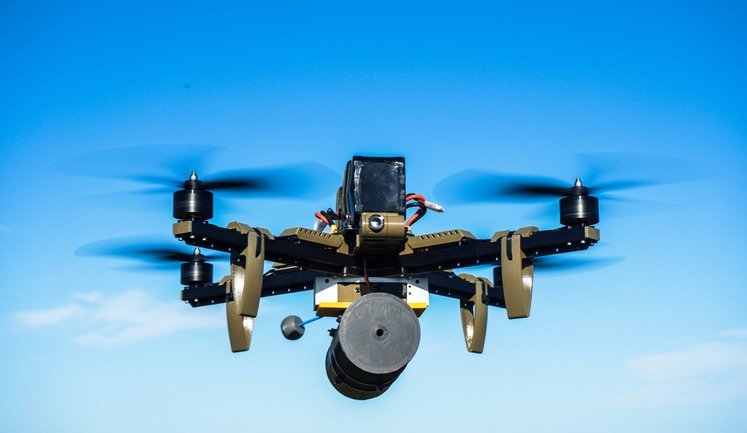
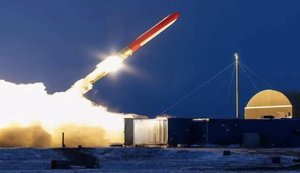
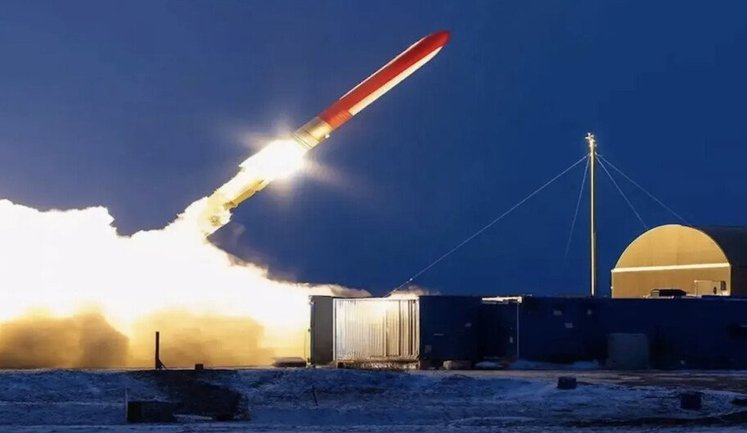
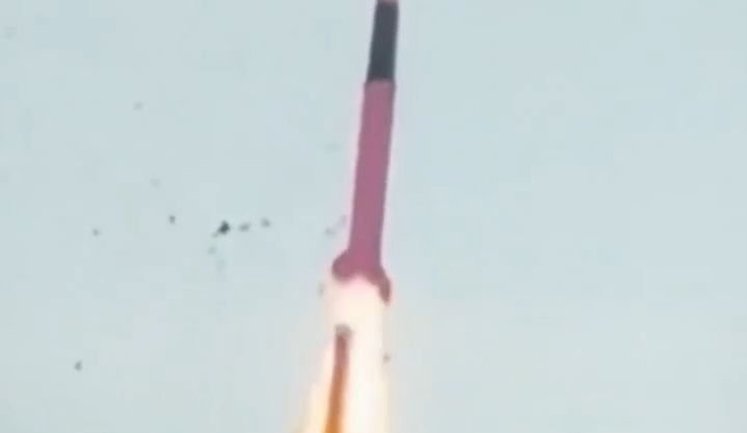
Amidst increasing global tensions, defense technology testing is gaining momentum. The Defense Ministry's trials have shown significant improvements in FPV drones, thanks to advancements by MilTech company Wild Hornets. In a supportive move, the European Parliament has sanctioned funding that enables defense project testing in Ukraine. On a different front, the impending tests of Russia's Burevestnik cruise missile, which may carry a nuclear payload, have drawn international attention, heightening geopolitical anxieties. The Ukrainian defense sector has been active too, with successful trials of new reconnaissance drones and the FP-7X missile, indicating robust innovation in military capabilities. These cumulative efforts reflect strategic investments in advancing defense technology testing.
What impact do testing advancements in Ukraine have?
Testing advancements in Ukraine bolster its defense capabilities, improving readiness and strategic posture in facing regional threats. New technologies like advanced FPV drones empower rapid response and heightened surveillance, crucial under current conditions.
How does European Parliament funding affect Ukraine?
European Parliament funding facilitates advanced testing of defense projects in Ukraine, fostering technological progress and security enhancements. This support strengthens Ukraine's defense industry and aligns with broader European security objectives.
What is the significance of the Burevestnik missile tests?
The testing of Russia's Burevestnik missile, notably with a nuclear power component, signals advances in long-range cruise capabilities, raising international concerns about nuclear escalation and strategic power shifts, thus impacting global security dynamics.
How do FPV drones enhance military operations?
FPV drones improve military operations through extended range and reliability, especially in electronically contested environments. They offer real-time intelligence and precise strike capabilities, vital for modern combat scenarios, enhancing battlefield efficiency and operational success.
What recent testing trends are seen in defense technologies worldwide?
Recent trends highlight innovation in missile technology, robotic systems, and surveillance drones, with a focus on integrating advanced communication systems and enhancements against electronic warfare. This reflects a broader shift towards automation and precision in military strategy.
Why are humanoid robots being tested in Ukraine?
Humanoid robots tested by US start-ups in Ukraine demonstrate dual-use capabilities for combat and support roles. These robots assist with logistics and frontline operations, showcasing innovation in military robotics which can reduce human risk in warfare zones.
What future implications do these defense tests have regionally?
Regionally, ongoing defense tests signal a commitment to technological advancement and deterrence capability enhancement. They could alter strategic balances, reinforcing defensive postures in Europe, and influencing diplomatic engagements surrounding regional security policies.
How effective is Ukraine's new Sweetheart reconnaissance drone?
The new Sweetheart reconnaissance drone, with its 150 km range, demonstrates high effectiveness in intelligence gathering, crucial for military reconnaissance. Its successful testing underscores Ukraine's pursuit of innovative surveillance solutions amid security challenges.
What role do exoskeletons play in modern military operations?
Exoskeletons enhance soldiers' physical capabilities, augmenting strength and endurance on the battlefield. When tested on the front line, they provide logistical support and improve combat efficiency, marking a significant leap in integrating wearable technology into military operations.