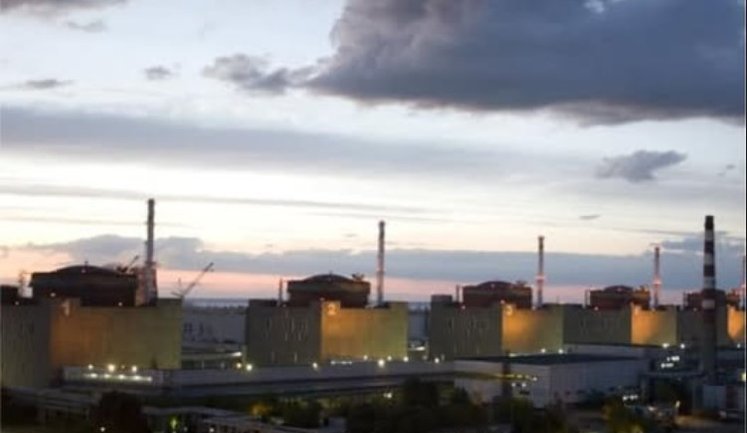
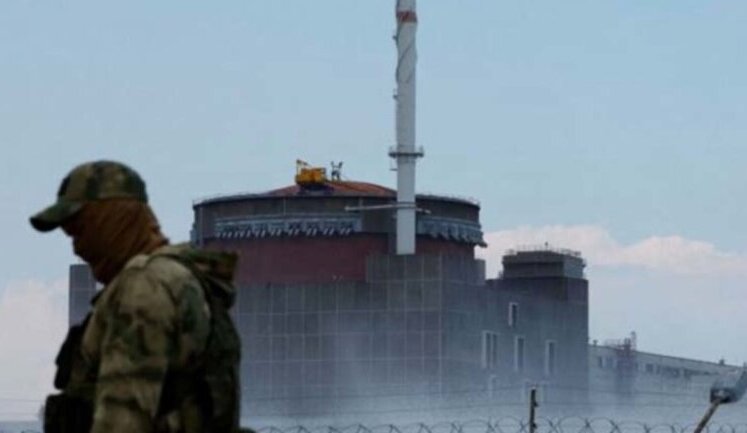
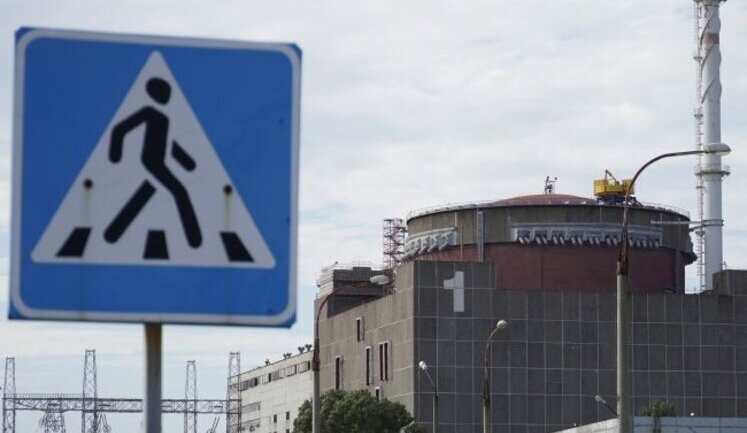
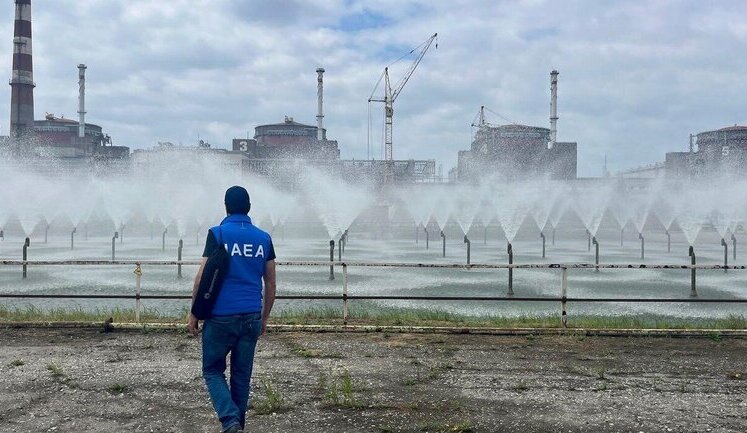
The IAEA plays a crucial role in overseeing nuclear safety amid ongoing tensions involving the Zaporizhzhia Nuclear Power Plant (NPP) in Ukraine. Recent developments include a local ceasefire that has been established to facilitate the repair of damaged power lines, crucial for maintaining the plant's power supply. These repairs come amid ongoing military activities that have affected the plant's internet and water supply, as mentioned by IAEA Director General Rafael Grossi. The IAEA continues to report on incidents such as drone explosions near the plant and damage from Russian attacks, which collectively threaten nuclear safety and the stability of facilities. Efforts by the IAEA are focused on ensuring safe operations through continuous monitoring and facilitating international cooperation to mitigate risks related to nuclear safety and security.
What is the current state of Zaporizhzhia Nuclear Power Plant?
Zaporizhzhia Nuclear Power Plant under IAEA monitoring remains vulnerable due to conflicts in Ukraine. Recent ceasefire agreements aim to allow repair works to ensure consistent power supply, minimizing risks associated with disrupted operations. Challenges persist due to military activities affecting plant infrastructure and safety.
How has the IAEA responded to risks at the Zaporizhzhia NPP?
The International Atomic Energy Agency (IAEA) has been actively involved in monitoring and ensuring nuclear safety at the Zaporizhzhia NPP. The IAEA has documented incidents and issued reports, promoted ceasefires for infrastructure repairs, and urged safety protocols to prevent catastrophes amid ongoing hostilities.
What actions have been taken by the IAEA to improve nuclear safety in Ukraine?
The IAEA has called for ceasefires to allow for necessary repairs at nuclear sites like Zaporizhzhia NPP. Additionally, the agency is involved in discussions on diplomatic efforts and safety protocols, maintaining active communication for continuous monitoring and intervention when required.
Why are ceasefires near Zaporizhzhia NPP important?
Ceasefires near the Zaporizhzhia NPP are crucial as they ensure temporary halts in hostilities to allow critical repair work. This includes restoring power lines essential for the safe operation of the plant, thereby reducing the risk of nuclear incidents in the fragile regional security context.
What challenges does the IAEA face in maintaining nuclear safety at Zaporizhzhia NPP?
The IAEA faces numerous challenges, including limited access to areas affected by military activities, disruptions in essential utilities like water and internet supply, and the need for international cooperation to address nuclear security risks. Continuous monitoring and diplomatic interventions are vital.
How has military action affected the Zaporizhzhia NPP?
Military actions have significantly impacted the Zaporizhzhia NPP, leading to damage to critical infrastructure and interruptions in water and power supply. The IAEA reports continued monitoring amid safety concerns, emphasizing the need for cooperation to ensure the plant's safe operation.
What recent incidents have been reported by the IAEA at Zaporizhzhia NPP?
The IAEA has reported on a drone explosion near the facility, damaging effects from Russian artillery fire, and incidents cutting internet and water supply. These developments pose ongoing threats to the plant's stability and underline the need for a coordinated safety and repair strategy.