In recent developments, the diplomatic dynamics across the globe have witnessed notable changes. Turkey has announced a new ambassador to Ukraine, symbolizing ongoing diplomatic engagement despite regional tensions. Meanwhile, G7 ambassadors express determination to continue operations in Ukraine, reaffirming their support amidst threats. The U.S. diplomatic mission remains strong with Acting Chargé d'Affaires Julie Davis affirming her presence in Kyiv, signaling steadfast American-Ukrainian relations. Across various regions, diplomatic missions are adapting to ever-changing geopolitical landscapes, from Albania reinforcing diplomatic ties with Ukraine to ongoing security evaluations affecting embassy operations. The global diplomatic landscape remains fluid, underscoring the need for vigilance and cooperation.
What recent changes have occurred in Turkey's diplomatic representation in Ukraine?
Turkey has appointed a new head of its diplomatic mission to Ukraine, emphasizing the ongoing relationship between the two countries despite geopolitical challenges in the region. This move is part of broader efforts to maintain strong bilateral ties and support Ukraine amidst its current conflicts.
How are G7 countries supporting Ukraine through their embassies?
G7 ambassadors in Ukraine have vowed to continue their diplomatic missions, affirming their presence despite potential threats. Their commitment highlights the support for Ukraine and the determination to carry on diplomatic operations as a countermeasure against external pressures.
What are the current operations of the U.S. Embassy in Ukraine?
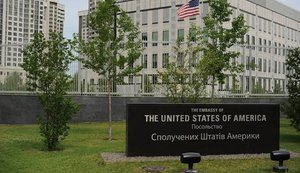
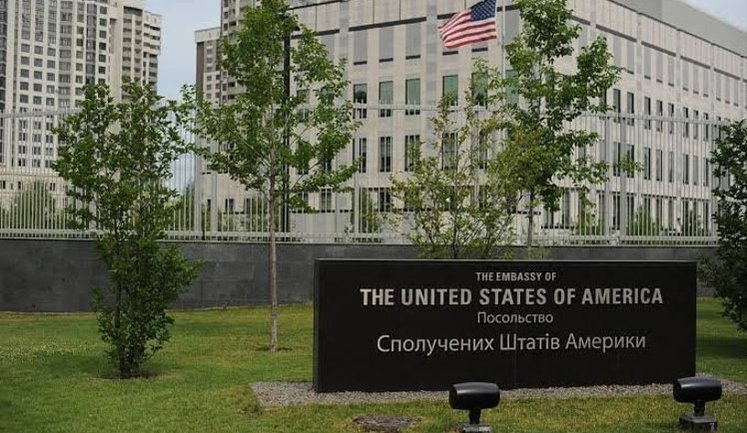
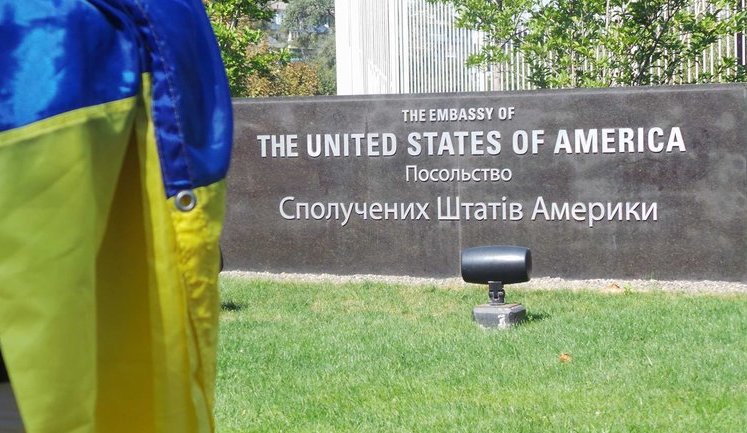
The U.S. Embassy in Ukraine is actively operating, with Acting Chargé d'Affaires Julie Davis confirming her presence in Kyiv. This continuing operation underscores the steadfast U.S. support for Ukraine during ongoing conflicts and signals robust diplomatic engagement.
How has the European Union responded to potential closures of embassies in Ukraine?
The European Union has clarified that there was a misunderstanding regarding statements about the closure of the U.S. Embassy in Kyiv. The EU does not plan to close its diplomatic missions, indicating continued support and presence in Ukraine despite challenging conditions.
What has been the response of Albania towards Russian diplomatic threats?
Albania has responded sharply to Russian threats against diplomats, expressing strong criticism and summoning the Russian ambassador. This action reflects Albania's commitment to maintaining diplomatic decorum and safeguarding the interests of its diplomatic staff.
What is the status of the Polish embassy in Ukraine amid current threats?
The Polish embassy in Kyiv has declared that it will maintain its operations unchanged despite receiving threats from Russia. This steadfast approach illustrates Poland's determination to continue its diplomatic mission and support for Ukraine during this tumultuous period.
What security measures are embassies in Ukraine taking in response to potential strikes?
Embassies in Ukraine, including the US mission, are issuing warnings about potential large-scale strikes, prompting heightened security measures and operational assessments to ensure the safety of diplomatic staff and continued operations amidst escalating threats.