ENG




18759 visitors online
The scandals in Ukraine continue to capture public interest, ranging from the portrayal of corruption in popular TV series "Servant of the People" to verified political scandals involving high-profile figures. One notable incident involves Timur Mindich, co-owner of "Kvartal-95" studio, depicted in a corruption scenario. Simultaneously, the Stefanishyna scandal threatens Ukraine's European integration talks, influenced by ARMA's controversial management decisions linked to Mykhailo Stefanishyn, her ex-husband. The faculty of international relations now closely monitors the impact of these developments, as the socio-political landscape evolves with each revealed scandal. Understanding these events is crucial for grasping the intricate dynamics in Ukrainian politics.
What significant scandals have occurred in Ukraine recently?
Recent significant scandals in Ukraine include the depiction of a corrupt character on "Servant of the People" linked to Timur Mindich, and the Stefanishyna and ARMA scandal, which could affect Ukraine’s European integration. These incidents highlight ongoing corruption and their broader impacts on Ukrainian politics and international relations.
How does the portrayal of corruption in Ukrainian media influence public perception?
The portrayal of corruption in Ukrainian media, such as in the series "Servant of the People," significantly influences public perception by highlighting systemic issues within the government and society. It brings attention to real-life figures, increasing public scrutiny and pressure on officials to address these issues responsibly and transparently.
Can the Stefanishyna scandal impact Ukraine's relations with the EU?
The Stefanishyna scandal has the potential to impact Ukraine’s relations with the EU by undermining confidence in the country’s commitment to European values and norms regarding transparency and corruption. The controversy over ARMA's decision-making may affect negotiations, requiring Ukraine to demonstrate serious anti-corruption efforts.
What actions have been taken against public figures involved in scandals in Ukraine?
Public figures involved in scandals in Ukraine often face investigations and legal scrutiny, but outcomes vary. Recently, media and public pressure have led to apologies or resignations in cases where unethical conduct was acknowledged. However, systematic judicial action remains inconsistent, reflecting challenges in fully implementing anti-corruption laws.
Are media depictions of scandals in Ukraine legally actionable?
Media depictions of scandals in Ukraine can lead to legal actions if they involve defamation or slander. However, if the media provides factual reporting backed by evidence, legal challenges are less likely to succeed. Public figures, when depicted, may choose to address concerns through formal complaints or legal avenues if misrepresentation occurs.
News scandal
 Nawrocki described passing of law on National Pantheon of Ukraine as ’escalation’ The Office of the President of Poland, headed by Karol Nawrocki, has criticised the Verkhovna Rada’s adoption of the law establishing the Ukrainian National Pantheon. 4 363 74 Previously in trend: Poland and Ukraine relationship
 New brigade commander of 14th SMB, Maksimov, spoke with soldiers who remained at their positions without water or food. VIDEO The newly appointed commander of the 14th SMB, Taras Maksimov, spoke via video link with troops holding positions in the Kharkiv sector, who have been systematically left without food and water. 9 195 57
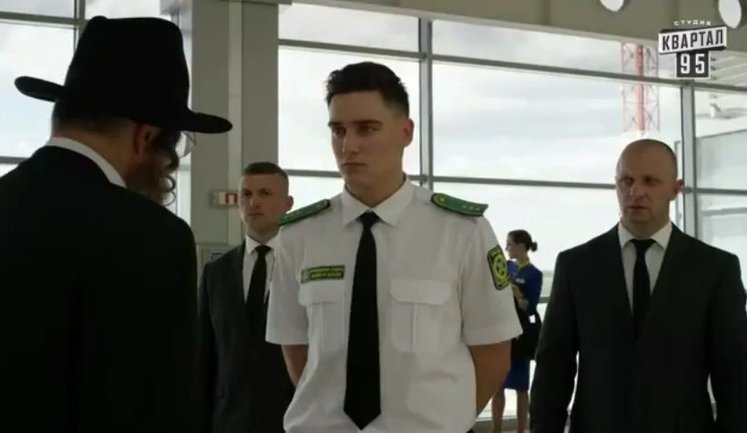
 Corrupt character from TV series "Servant of People" tries to flee to Israel: "My surname is Mindich. You should have been warned". VIDEO In the 16th episode of the second season of the series "Servant of the People," there is an episode reminiscent of the development of a corruption scandal involving Timur Mindich, co-owner of the "Kvartal-95" studio. 18 221 71 Previously in trend: Mindichgate
 Director of gymnasium in Ivano-Frankivsk trolls colleague from Kyiv who banned students from wearing shorts: "Uniform is shorts. You might as well put fur coat on and muskrat hat". VIDEO Students and the principal of the Anton Krushelnytskyi Gymnasium in Horodenka, Ivano-Frankivsk region, recorded a humorous video about the requirements for school uniforms for students and teachers. 12 991 192 Previously in trend: 1 September
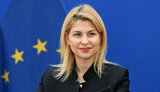 Stefanishyna and ARMA scandal may affect Ukraine’s European integration processes, - expert According to an investigation published by "Ukrainska Pravda" on 4 June, the National Agency for the Management of Seized Assets (ARMA) transferred the management of the Trade Union Building in the centre of the capital to a private company with ties to Mykhailo Stefanishyn, the ex-husband of... 6 696 35 Previously in trend: People close to Stefanishyna obtain assets via ARMA
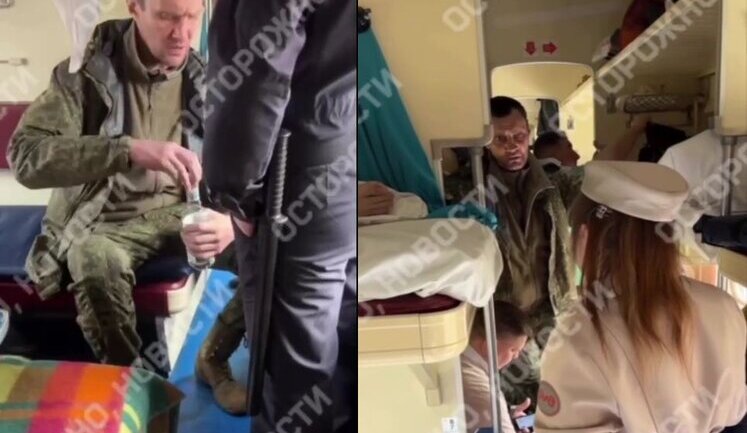
 Drunk "hero of Russia" causes brawl on train: "That idiot threw my tablet out window, f#ck!" "I’ll serve another four months, then I’ll come back and kill you.". VIDEO A video recording of a drunken 'Russian hero' causing a brawl in a passenger train carriage was published online. 16 961 39
 Tram driver in Prague who attacked Ukrainians with child is fired The Prague transport company DPP has fired a tram driver who attacked a Ukrainian family with a child and kicked them out of the car the day before. 6 264 31 Previously in trend: A tram driver in Prague attacked Ukrainians
 Tram driver in Prague attacked Ukrainian family with child and kicked them out of cabin: "Get out! You have no right to be in this country". VIDEO A video of a man kicking a family with a child out of a tram was posted online. 30 250 298 Previously in trend: War
 Kvartal 95 aired rerun of last year’s New Year’s episode, where they joked about murdered Farion: studio apologized after publicity The Kvartal 95 studio aired last year's New Year's Eve episode on 1+1 TV channel, which included a joke about the linguist and public figure Iryna Farion, who was murdered in July 2024. The studio later apologised for broadcasting the "archived episode". 17 446 129
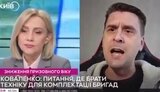 Kovalenko, military and political observer of "Information Resistance", got angry with host on air: "Shaaa! I am guest expert here!". VIDEO Oleksandr Kovalenko, a military and political observer of the "Information Resistance" group, reacted sharply on the air of the Kyiv TV channel when the host Iryna Korol interrupted him. 26 957 100 Previously in trend: War
 TCR employees locked us in territory and did not allow us to leave for 4 hours - ambulance doctor about conflict with TCR in Odesa The doctors who arrived at the Odesa RTCR and SS (Regional Territorial Centre for Recruitment and Social Support) were forcibly detained on the territory of the institution for 4 hours. 15 989 121
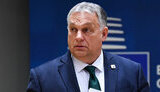 Scandal in Hungary over audio recording of corruption in Orban’s government. PHOTOS Hungary has released an audio recording in which the voice of former Justice Minister Judit Varga is heard. The official allegedly confirms the conspiracy of Hungarian government officials to conceal corruption. 16 339 36
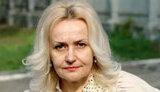 Court does not reinstate Farion in Lviv Polytechnic National University The Halytskyi District Court of Lviv denied Iryna Farion’s claim to reinstate her as a professor at the Lviv Polytechnic National University. 9 733 343
 Commission on Journalistic Ethics on Kvartal 95: Line between humor and discrimination is very thin The Commission on Journalistic Ethics reacted to the scandalous sketch of Kvartal 95 about a Russian-speaking displaced person from Skadovsk who tries to speak Ukrainian. 7 642 87
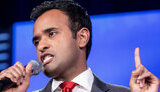 Possible US presidential candidate Ramaswamy called Zelenskyy "Nazi". His headquarters is justified One of the possible US presidential candidates from the Republican Party, Vivek Ramaswamy, called President Volodymyr Zelenskyy a "Nazi". Now his headquarters say that the politician "had something else in mind." 18 739 118
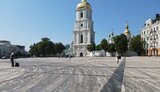 Sophia Kievskaya National Reserve Did Not Receive Drift Request From Organizers Of Shooting On Sofiyska Square The Sophia Kievskaya national reserve has not received a drift request from the shooting organizers on Sofiyska Square. 2 313 18
 Ukroboronprom calls Bihus.info corruption probe manipulative and biased Ukroboronprom State Concern has responded to the third part of the investigation by Bihus.info into a large-scale corruption in the defense sector of Ukraine. 18 622 330 Previously in trend: Hladkovskyi defense corruption scandal
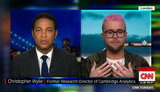 Cambridge Analytica former employee says data of over 87 million Facebook users could be stored in Russia Cambridge Analytica whistleblower Christopher Wylie says the data the firm gathered from Facebook could have come from more than 87 million users and could be stored in Russia. 22 287 76
 Bohomolets Medical University students, lecturing staff announce indefinite strike over Health Ministry’s interference The strike committee of Bohomolets National Medical University asks president, parliament speaker, prime minister to intervene in the situation that has developed in the university. 30 440 168
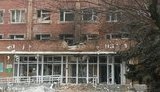 Kyiv-based Russian consulate involved in real estate transactions made by Ukrainian nationals in occupied Donbas, - media. PHOTOS+VIDEO The Russian Embassy in Kyiv authorizes Ukrainians to transfer ownership of real estate located in parts of Ukraine’s Luhansk and Donetsk regions temporarily occupied by the Russian Federation. 61 636 157 Previously in trend: Occupied territories - Crimea and Donbas
 "No law violations; fuel price went up due to market price fluctuations," - Kasko on fuel scandal in MoD A group of defense attorneys representing interests of Trade Commodity, company involved in fuel procurement scandal in Ukraine's Ministry of Defense, has announced its stance at a press conference in Kyiv on Monday. 43 967 146 Previously in trend: Deputy defense minister Pavlovskyi detained
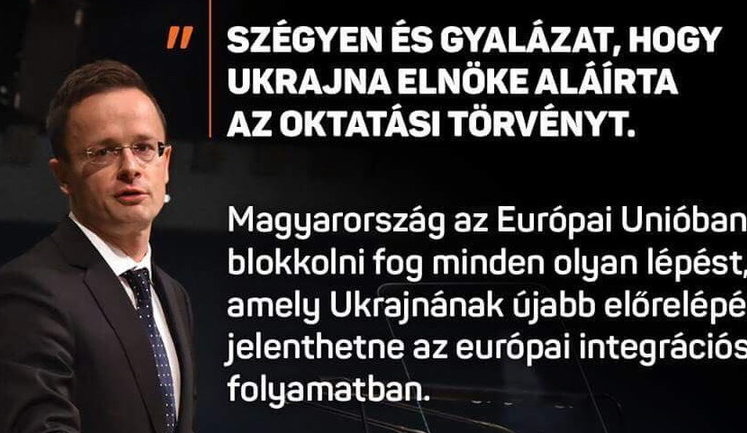
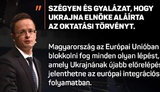 Hungary on Ukraine Education Act: Ukraine might forget of European integration. PHOTO The Hungarian government has decided to block all subsequent decisions by the European Union aimed at its association with Ukraine. 160 306 873 Previously in trend: Education Act
 National Agency for Corruption Prevention to check Klitschko's presence on charter flight with notorious developers Mykytas and Stolar The National Agency for Corruption Prevention (NACP) has initiated verification of information published by Skhemy show on the joint flight of mayor Vitalii Klitschko and Kyiv developers by a private jet from Naples. 34 169 84
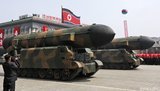 Engines for North Korean missiles could be obtained from Ukraine, - The New York Times North Korea’s success in testing an intercontinental ballistic missile that appears able to reach the United States was made possible by black-market purchases of powerful rocket engines probably from a Ukrainian factory with historical ties to Russia’s missile program. 95 791 362
Russian diplomats expelled from Moldova allegedly recruited militants for Donbas, - Reuters Moldovan intelligence believes five Russian diplomats expelled from Moldova last month were spies who were recruiting fighters for the Moscow-backed insurgency in neighboring Ukraine. 15 898 34
 Pranker who invaded Eurovision stage released on own recognizance Dniprovskyi district court of Kyiv released on his own recognizance serial celebrity pest Vitalii Sediuk, the streaker who invaded the Eurovision Song Contest stage draped in an Australian flag. 48 135 187
Uproar in PACE: many delegates seek President Agramunt's resignation, - MP Ariev The visit of President of the Parliamentary Assembly of the Council of Europe Pedro Agramunt to Syria caused controversy among the Assembly members. 63 066 52 Previously in trend: War in Syria
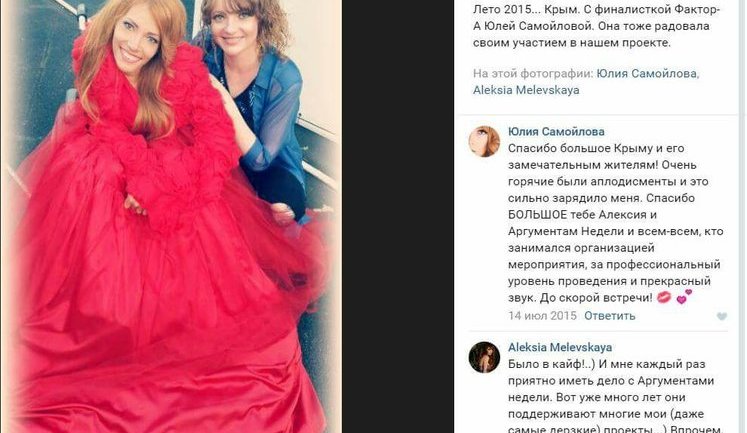
 Russia's Eurovision nominee gives concerts in occupied Ukrainian territories. PHOTO At the international Eurovision Song Contest 2017 in Kyiv, Russia will be represented by Yulia Samoilova with the song titled Flame Is Burning. The singer is known to have given concerts in occupied Crimea. 268 046 794
US attorney general disguised last year contacts with Russia's envoy, - The Washington Post U.S. Attorney General Jeff Sessions, who also oversees the Justice Department and the FBI, did not disclose his last year encounters with Russian Ambassador to the U.S. Sergey Kislyak during his confirmation hearing. 7 185 41
 "Artemenko must resign. He acts just like Savchenko," – MP Liashko slams his colleague’s idea to lease Crimea to invaders Head of the Radical Party faction in the Ukrainian parliament Oleh Liashko proposed his faction member Andrii Artemenko to leave the elected office. 66 108 187 Previously in trend: Russian aggression against Ukraine
 Radical MP Artemenko proposes "peace plan" on Ukraine to Trump's aides, offers to 'lease' Crimea to Russia for 100 years, - The New York Times Ukrainian MP, member of Radical Party Andrii Artemenko has passed former national security adviser Michael Flynn a plan on settling the conflict between Ukraine and Russia. 84 446 316
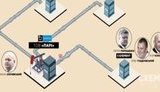 Poroshenko's companies buy gas from Yanukovych's fugitive minister, - media. VIDEO (in Ukrainian) The companies of former Mykola Azarov Cabinet Minister Mykola Zlochevskyi supply gas to enterprises owned by Ukraine's top politicians. 52 017 246 Previously in trend: Fighting corruption in Ukraine
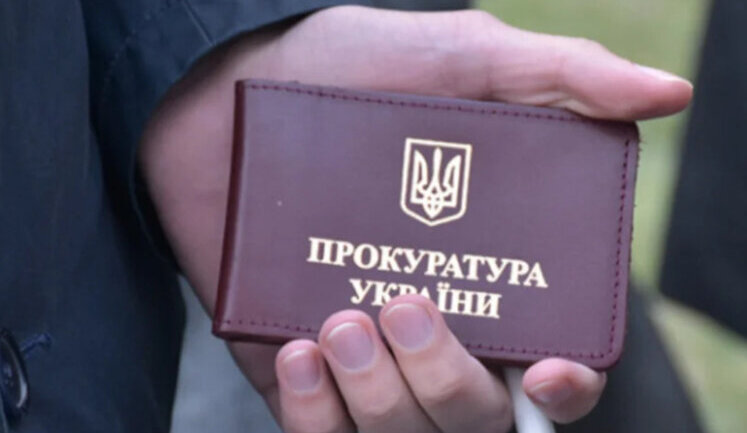
 Pokrovsk prosecutors’ office employee opens fire at café, goes unpunished. Surveillance Footage A member of the Donetsk region’s Pokrovsk city (formerly Krasnoarmiisk) prosecutor’s office opened fire at a café on Sunday, Jan. 29. The café owners said the gunman was working as a driver in the local prosecutor's office. 84 232 110
 “Insane appointments, no progress in corporatization, missed loan of 60M euros, 2B hryvnia damages in lost lawsuits,” - Minister Omelian slams Ukrzaliznytsia ‘achievements’ Ministry of Infrastructure of Ukraine Volodymyr Omelian continued sharply criticizing management of Ukrzaliznytsia and the government for moving Ukrainian Railroad under the jurisdiction of the Cabinet. 52 985 80
 National Police Spetsnaz, ex-Berkut officers take part in tournament "Glory to Berkut!" Officers of the Zaporizhia National Police special forces took part in a boxing tournament in memory of a deceased Berkut fighter. 129 478 343
 STB station apologizes for scandal over Bitva Extrasensov show, pledges to fire those guilty The administration of STB TV channel has apologized for broadcasting on Sunday, Jan. 15 the Russia's TNT-produced Bitva Extrasensov (the battle of extrasensory) show attended by the Russian military. 95 857 163
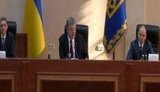 “Poroshenko has distorted information,” - District Council Head Boiko, who interrupted president's speech in Odesa The charges voiced by Poroshenko as he was introducing the new chairman of the Odesa Regional State Administration were based on distorted information provided to him by the people standing behind corruption and organized crime in the country. 94 222 266 Previously in trend: Odesa Governor Saakashvili Saakashvili's resignation
 "Let your native Voronezh flourish like my Palmyra," - alternative calendar with "grateful" Syrian girls released online. PHOTOS An alternative calendar with young Syrian women "grateful" to Russian soldiers has been published on the Internet. 155 828 138
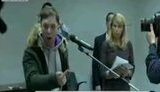 Scandal erupts at Tymoshenko's press conference as she is asked provocative question. VIDEO An unidentified person has provoked a scandal at a press conference of Batkivshchyna party leader Yuliia Tymoshenko on Wednesday. 282 855 880
 Vetted Prosecutor Holomsha’s children received cushy jobs, - Anti-Corruption Action Center. PHOTO Nepotism and cronyism continue flourishing in the Prosecutor General's Office of Ukraine when it comes to lucrative appointments within the agency. 118 810 151
 "LPR deputy minister," who offered to give lethal injections to Ukrainian soldiers, reinstated in office in Luhansk region, - MP Bohomolets. PHOTO The court has reinstated former "deputy minister" of the so-called "Luhansk People's Republic" Pavlo Malysh as head of the Health Department of the Luhansk Civil and Military Administration. 113 642 250
 “Let's give her time to show her worth and then discuss her efficiency. I'm sure she will cope," – Minister Avakov on controversy surrounding his new deputy Anastasia Dieieva was appointment Deputy Interior Minister for European Integration by the Cabinet of Ministers of Ukraine after a number of interviews and the background check. 181 966 737
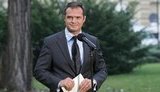 Poland's former transport minister to lead Ukraine's road authority, - Omelian The Cabinet of Ministers has appointed Poland's ex-Minister of Transport Sławomir Nowak head of Ukrainian road authority Ukravtodor. 24 195 52
"Conclusions made, i's dotted, everyone understands who is who," - Myroslava Gongadze on scandal with Serhii Leshchenko Heorhii Gongadze's widow Myroslava, commenting on deputy Serhii Leshchenko's words towards her, said that everyone should listen to their conscience when doing anything. 63 397 234
"I was wrong," - MP Leshchenko apologizes to Myroslava Gongadze Petro Poroshenko Bloc MP Serhii Leshchenko has offered his apologies to journalist Myroslava Gongadze for his words. 49 781 41
 Ukraine’s PM promises to submit information on Inter’s policymaker Shuvalov to SBU Prime Minister of Ukraine Volodymyr Hroisman promises to pass information on Russian citizen Igor Shuvalov, who is in charge of Inter TV channel’s policy, to the Security Service of Ukraine (SBU). 52 964 65 Previously in trend: Arson attack on Inter TV channel
 "Who is she? I don't know this name," - Opposition Bloc leader on notorious Russian journalist Stolyarova's employment by Inter TV channel Opposition Bloc faction leader Yurii Boiko said he did not know Maria Stolyarova, former Inter TV channel editor deported from Ukraine due to a scandal. 58 048 120 Previously in trend: Arson attack on Inter TV channel
 NABU to check legality of funds MP Leshchenko spent to purchase luxury apartment in downtown Kyiv. DOCUMENT (in Ukrainian) The law enforcement agency will initiate bringing the perpetrators to justice if elements of the crime are found. 28 914 210
Page 1 of 3
more news