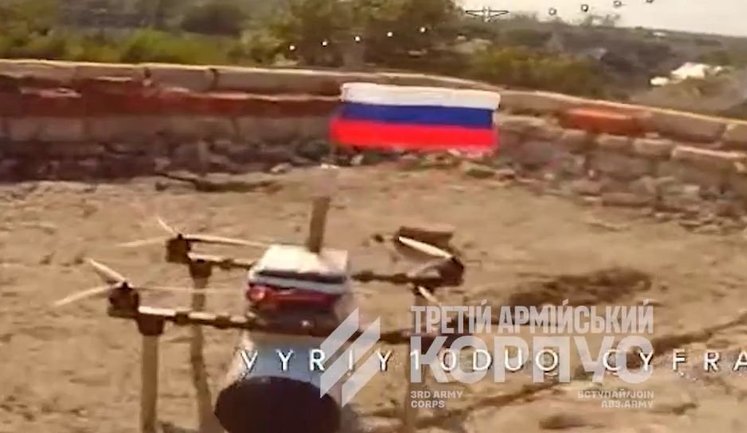
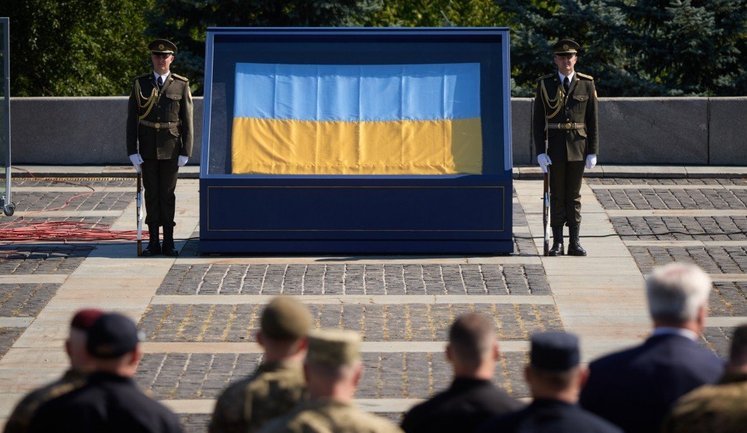
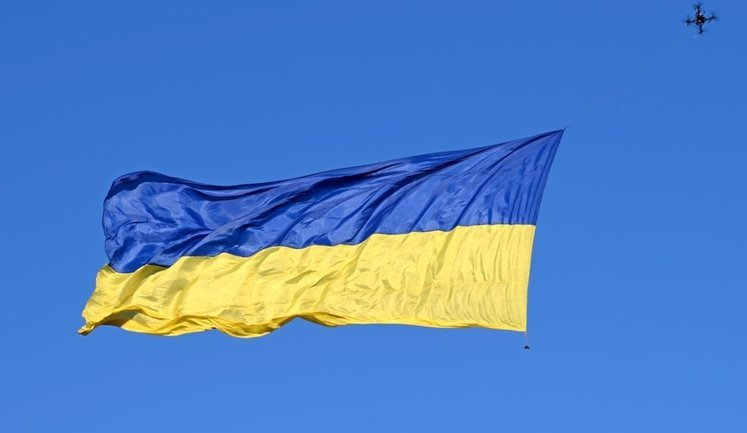
The flag has become a potent symbol in the ongoing conflict between Ukraine and Russia. From the Ukrainian flag's removal in Pristina to its symbolic placement in occupied regions, the flag represents defiance and victory. Ukrainian troops regularly raise their flag in liberated territories like Kinburn Spit and Novoekonomichne, underscoring tactical victories. Meanwhile, Russian forces have used their flags to claim successes, such as in Zaporizhzhia, though these claims are often countered by Ukrainian actions. In cities from Odesa to Pokrovsk, the flag's presence is a testament to Ukraine's resilience. The international scene also reflects this through diplomatic spats involving flag placements, symbolizing broader geopolitical tensions. Overall, flags have transcended their traditional roles, becoming emblems of national identity, resistance, and political statements amid the conflict.
What does the Ukrainian flag symbolize in the ongoing conflict?
The Ukrainian flag symbolizes national pride, resistance, and unity. In the current conflict, it has become a symbol of territorial integrity and the struggle against Russian aggression. Its presence in liberated areas or protests signifies defiance and hope for Ukrainians.
How have Russian and Ukrainian forces used flags in the conflict?
Russian forces often use their flags to falsely claim control over territories, creating propaganda videos to declare victories. In contrast, Ukrainian forces raise their flags in liberated areas to mark regained control and boost morale, serving as a rallying cry for their military and citizens.
What are some significant events involving the Ukrainian flag in 2026?
In 2026, significant events involving the Ukrainian flag included its controversial removal in Pristina, as well as its symbolic placement on the Kinburn Spit by Ukrainian forces. These events highlight the flag's role in diplomatic controversies and as a symbol of military success in reclaimed areas.
Why was the installation of Ukrainian flags in Russian regions significant?
Installing Ukrainian flags in Russian regions like Kursk and Belgorod is significant as it represents psychological operations to challenge Russian narratives. These actions demonstrate Ukraine's confidence and ability to assert symbolic presence even in adversarial territories, undermining Russian claims of control.
How have international entities responded to flag controversies involving Ukraine?
International entities, notably in regions like the Czech Republic and the European Commission, have demonstrated mixed responses to flag issues. While some have removed the Ukrainian flag due to political pressures, others have unequivocally supported Ukraine's sovereignty by flying its flag as a gesture of solidarity.