In 2026, utility services in Ukraine are under significant scrutiny. Key developments include the government's decision to recalculate utility charges, ensuring citizens pay only for services received. This measure, led by Svyrydenko, aims to address overbilling issues. Meanwhile, in occupied Donetsk, residents face dire humanitarian conditions with challenging access to basic utilities, exemplified by drilling through ice for water. In Kyiv, infrastructure challenges persist, with incidents like burst pipes causing significant residential disruption. Throughout Ukraine, the majority of citizens are actively saving electricity, indicating a general awareness of utility conservation amidst changing economic landscapes.
What changes are being made to utility charges in Ukraine?
The Ukrainian government has decided to recalculate utility charges to ensure citizens pay only for services actually received. This aims to address discrepancies and reduce overbilling, providing a fairer utility payment system for the public.
How are people in occupied Donetsk dealing with utility deficiencies?
Residents in occupied Donetsk face severe utility deficiencies, finding themselves in a humanitarian crisis. They resort to drilling through ice in barrels to access water, reflecting the dire state of utility services under occupation.
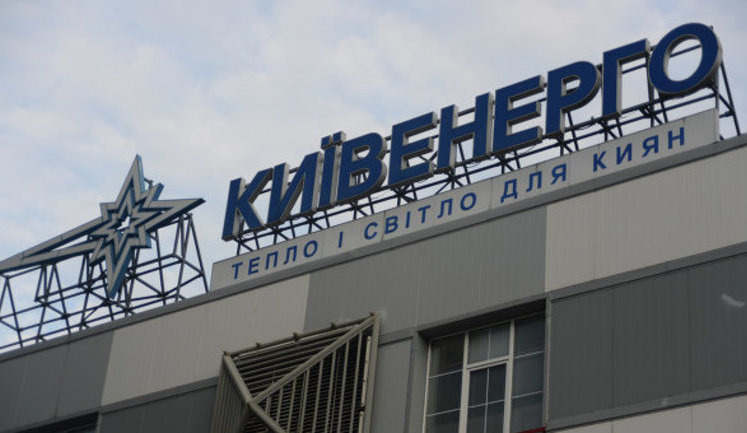
Why have Kyiv residents experienced increased utility issues recently?
Kyiv residents have encountered utility issues such as flooded buildings due to burst pipes. These incidents highlight ongoing challenges with the city’s aging infrastructure, which continues to affect the reliability of utility services.
Are Ukrainians actively reducing their utility consumption?
Yes, nearly all Ukrainians reported efforts to conserve electricity, with a substantial portion, 96%, practicing electricity-saving measures consistently. This reflects a widespread commitment to reducing utility consumption amidst economic pressures.
What measures has Ukraine taken to prevent utility disconnections?
During martial law, Ukraine has prohibited utility disconnections due to unpaid debts. This ensures continued access to essential services despite financial difficulties, underlining the country's commitment to supporting citizens in challenging times.