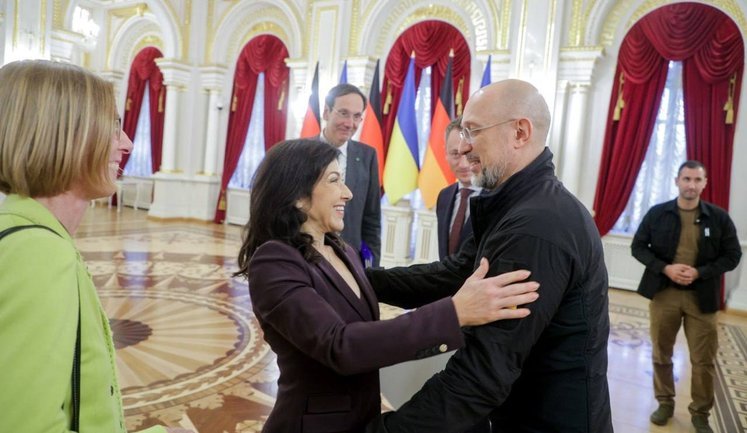
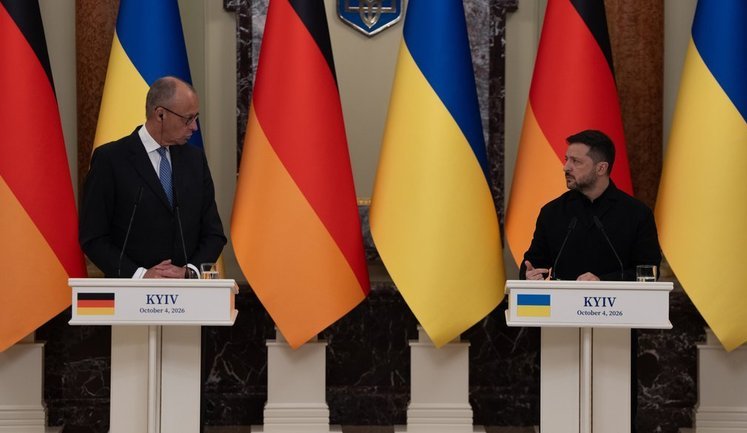
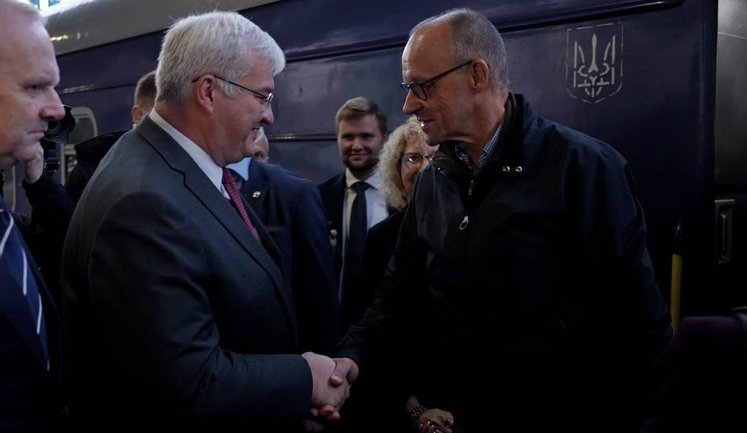
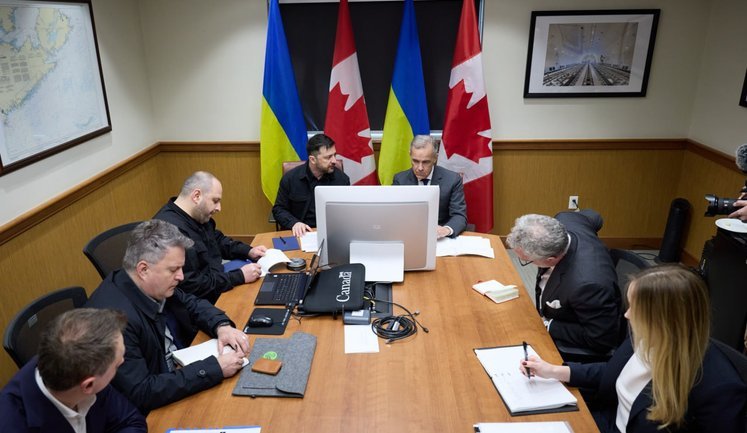
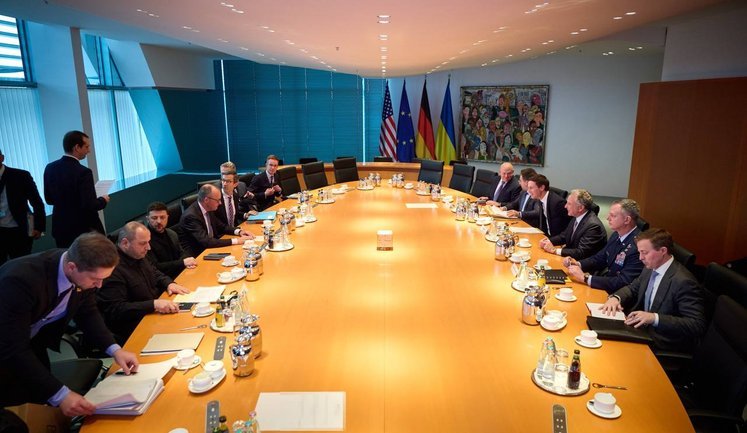
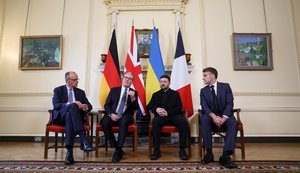
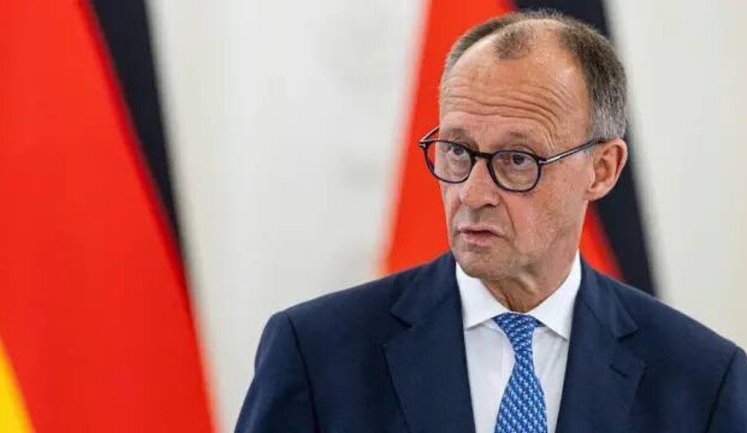
German Chancellor Friedrich Merz remains steadfast in backing Ukraine amidst its ongoing conflict with Russia. Merz critiques Russia's reluctance for genuine negotiations and highlights the importance of bolstering Ukraine's air defense capabilities. Despite internal party criticism and geopolitical tensions, Merz has committed to consistently aiding Ukraine, underscoring Germany's role in negotiating peace and security within Europe. He argues against the recent calls to cease aid following domestic political shifts and reiterates Germany's strategic partnership with Ukraine through proposed EU accession talks and significant NATO funding commitments.
What is Friedrich Merz's stance on Russia-Ukraine war negotiations?
Friedrich Merz asserts that Russia shows no interest in serious negotiations to end the war against Ukraine, stressing that the onus is on Russia to engage in peace talks. He highlights that despite Ukraine's readiness, peace prospects largely depend on Russian cooperation, a sentiment he has reiterated in multiple statements regarding regional security and peace processes.
How is Friedrich Merz aiding Ukraine in defending against Russia?
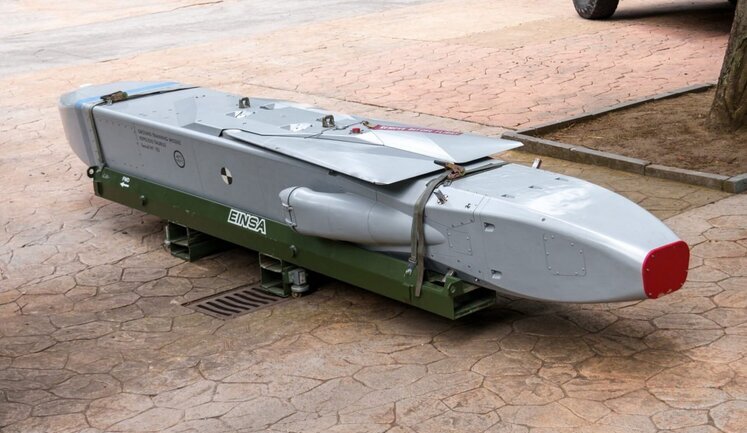
Merz is playing a pivotal role in Germany's support to enhance Ukraine's defense. He has promised to strengthen Ukraine's air defense systems, emphasizing the strategic importance of air defense in the conflict against Russia. This commitment is part of broader aid packages including military supplies and long-range weapons, reinforcing Ukraine's capabilities.
Why did Friedrich Merz cancel his UN General Assembly trip?
Friedrich Merz canceled his trip to the UN General Assembly amid internal party criticism, possibly reflecting broader political pressures faced at home. However, his commitment to supporting Ukraine remains unwavering, as he continues to pursue diplomatic and strategic efforts to aid Ukraine amid its conflict with Russia.
What is Merz's approach towards Ukraine's potential EU membership?
Merz supports Ukraine's European integration, advocating for accelerated negotiations on EU accession while recognizing necessary procedural steps and reforms. He also suggests alternative routes for Ukraine's involvement in EU activities, aiming to incorporate Ukraine more fully into the European community despite current limitations on immediate full membership.
What are the implications of Merz's actions on Germany's foreign policy?
Merz's ongoing support for Ukraine reflects a strengthening of Germany's foreign policy stance against Russian aggression, reinforcing alliances within NATO and the EU. His actions signify Germany's commitment to European security and collaborative international efforts, as well as addressing geopolitical challenges through decisive leadership.