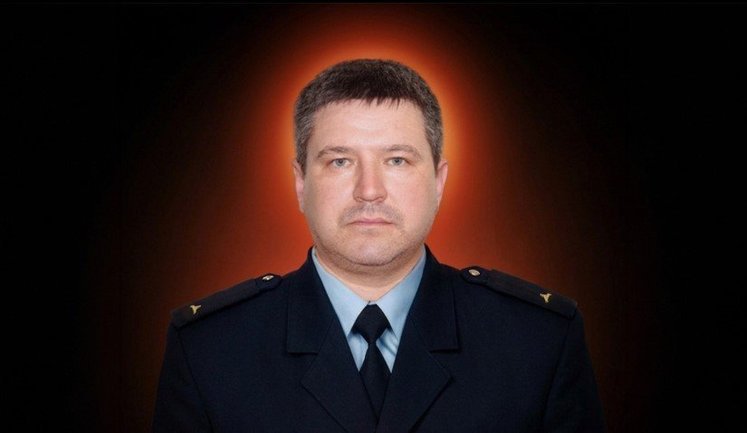
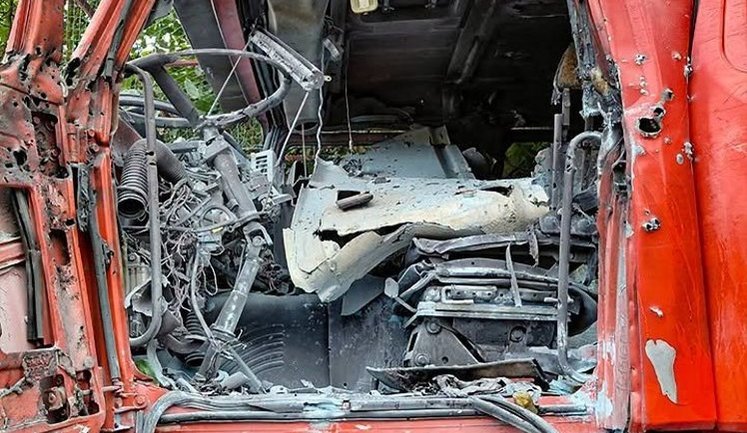
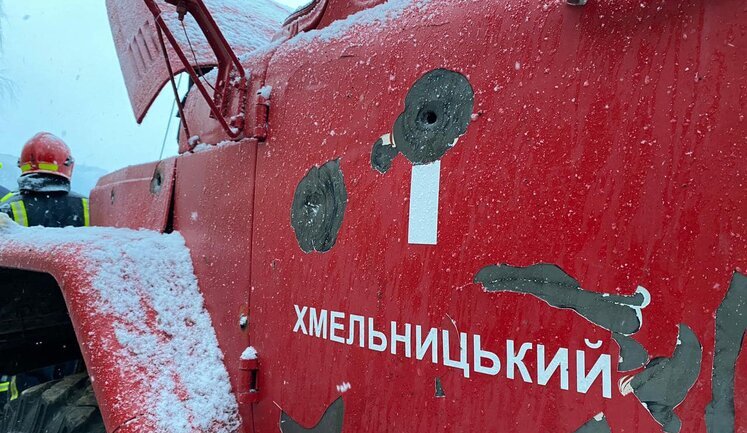
The repeated targeting of rescuers in Ukraine highlights the grave dangers emergency service professionals face on the frontlines. Amidst constant threats, these brave individuals continue to fulfill their duty, even in the face of adversity. Recent reports show that Russian forces have targeted rescue workers in several regions, leading to injuries and fatalities. This underscores the ongoing sacrifice and bravery of Ukrainian rescuers, who work tirelessly under precarious conditions to save lives and mitigate damage. As these incidents illustrate, the role of rescuers is not only crucial but also perilous amidst ongoing conflict.
What challenges do Ukrainian rescuers face during the conflict?
Ukrainian rescuers face multiple challenges, including direct targeting by hostile forces. These attacks result in injuries and sometimes fatalities, with rescuers being hit while responding to emergencies. Their vehicles and equipment are also frequently damaged, complicating their ability to perform crucial tasks amidst conflict.
How have Russian forces targeted rescuers in Ukraine?
Russian forces have consistently targeted Ukrainian rescuers with strikes during emergency operations. This includes shelling and drone attacks that directly hit rescuers and their vehicles across several regions, impacting their ability to respond to emergencies effectively.
What impact do these attacks have on rescue operations?
Attacks on rescuers significantly hinder rescue operations by damaging vehicles and equipment crucial for emergency responses. Moreover, injuries and fatalities among rescuers reduce the workforce, straining resources and impacting their ability to save lives and provide aid to affected areas.
What regions in Ukraine have seen the most attacks on rescuers?
Regions such as Donetsk, Kharkiv, Dnipropetrovsk, and Zaporizhzhia have witnessed significant attacks on rescuers. Russian forces often focus on these areas, impacting the operational capacity of the State Emergency Service and endangering lives of emergency workers present on the ground.
How do Ukrainian rescuers prepare for and cope with repeated threats?
Ukrainian rescuers undertake rigorous training to manage emergency situations under hostile conditions. They employ protective equipment and strategic planning to minimize risks. Coping mechanisms include psychological support systems for rescuers affected by the trauma of repeated attacks.
Are there any international efforts to support Ukrainian rescuers?
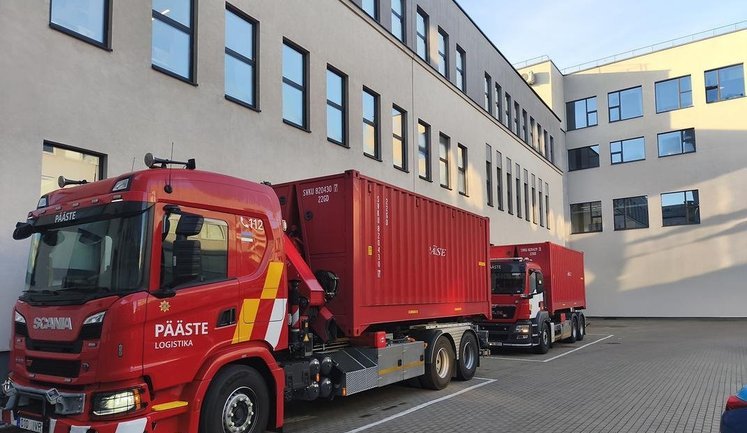
International support for Ukrainian rescuers includes sending equipment and vehicles to bolster their operational capabilities. Countries provide humanitarian aid, training, and logistical support to ensure that Ukrainian rescuers can continue their vital work despite ongoing challenges.