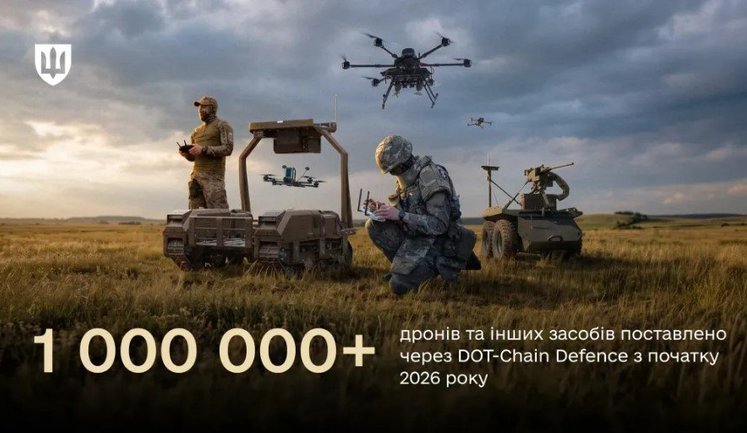
In 2026, Ukraine faced significant challenges and developments in defense procurement, highlighted by a reported $1.2 billion lost to fraud and inefficiencies. The Ministry of Defense took action by announcing tenders for advanced military technologies, including unmanned ground vehicles and deep-strike drones, under new specifications. Despite advancements like the DOT-Chain Defence system, the procurement process was riddled with corruption, including a misappropriation scandal involving 102 million hryvnias for tank reactive armour. To address these issues, NATO pledged expert support to reform Ukraine's Defence Procurement Agency. The shift to tender formats aimed to enhance transparency and efficiency, but persistent scandals, from overpayments to procurement fraud, threatened to undermine these efforts.
What challenges did Ukraine face in defense procurement in 2026?
In 2026, Ukraine encountered numerous challenges in defense procurement, including significant losses due to fraud and mismanagement reportedly costing $1.2 billion. Despite efforts to reform procurement processes, ongoing corruption scandals and inefficiencies persisted, highlighting the complexities involved in managing military supply chains effectively.
How is NATO assisting Ukraine's defense procurement reform?
NATO is supporting Ukraine's defense procurement reform by providing comprehensive financial and expert assistance. This initiative aims to strengthen the capabilities of the Defense Procurement Agency (DPA), focusing on improving processes and addressing corruption issues to ensure more transparent and effective procurement practices for military supplies.
What role does the DOT-Chain Defence system play in procurement?
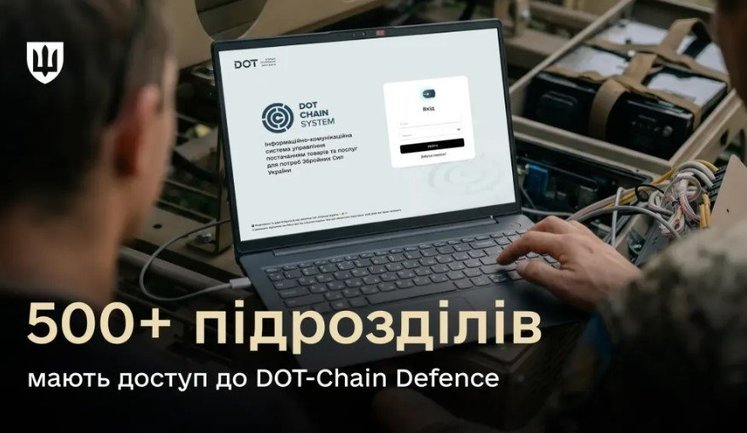
The DOT-Chain Defence system plays a crucial role in Ukraine's military procurement by offering a platform for ordering drones, unmanned ground vehicles, and other defense technologies. It aims to streamline procurement processes, enhance transparency, and reduce opportunities for corruption by allowing military units to place secure orders directly.
How is the Ukrainian Ministry of Defense addressing procurement corruption?
The Ukrainian Ministry of Defense is tackling procurement corruption by updating procurement mechanisms, launching tender formats, and collaborating with NATO for reform support. These efforts include changing rules to prevent overpricing and introducing systems like DOT-Chain Defence to ensure transparent processes and traceability of defense orders.
How has the shift to tender formats impacted Ukraine's defense procurement?
The transition to tender formats in Ukraine's defense procurement aims to increase competition, transparency, and efficiency. By moving away from closed-door deals to open competitions, this shift has the potential to reduce costs and curb corrupt practices. However, the successful implementation of tender procedures depends on overcoming existing systemic challenges.
What advancements were seen in Ukraine's defense procurement in 2026?
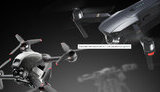
In 2026, Ukraine's defense procurement saw notable advancements, including introducing tenders for advanced technologies like deep-strike drones and unmanned ground vehicles. The launch of new procurement systems and international support underscored efforts to modernize and improve the efficiency and transparency of Ukraine's military supply processes.
What were the outcomes of corruption investigations in Ukraine's procurement system?
Corruption investigations in Ukraine's procurement system in 2026 uncovered numerous fraudulent activities, such as misappropriation of funds and inflated contract prices. Actions included prosecutions and reforms aimed at curbing corruption, with hopes of strengthening accountability and transparency in military supply chains in the future.