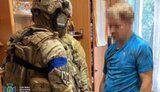
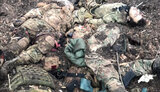
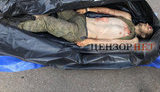
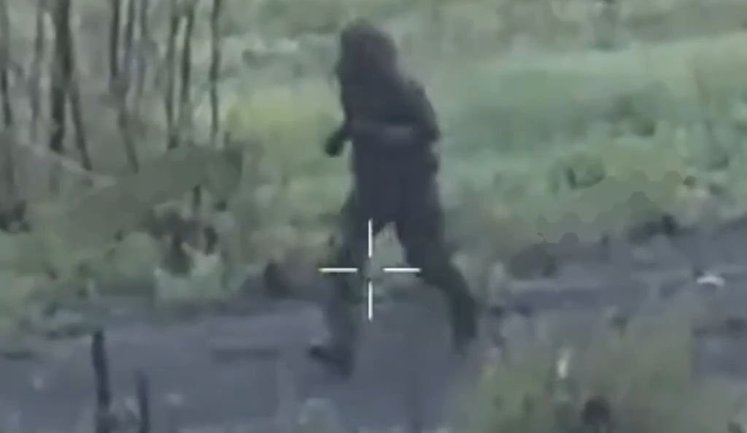
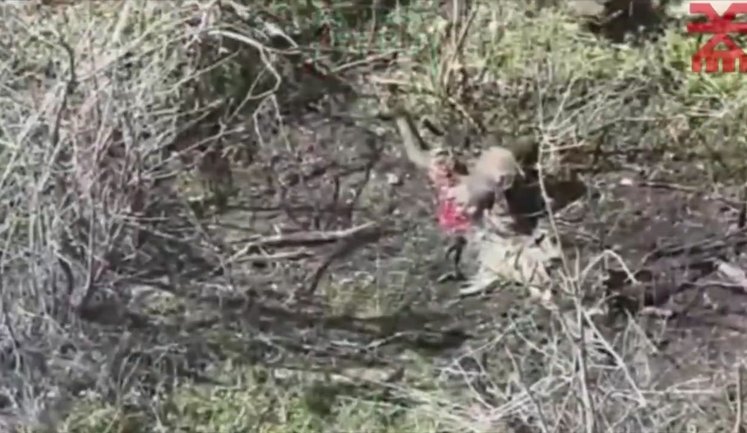
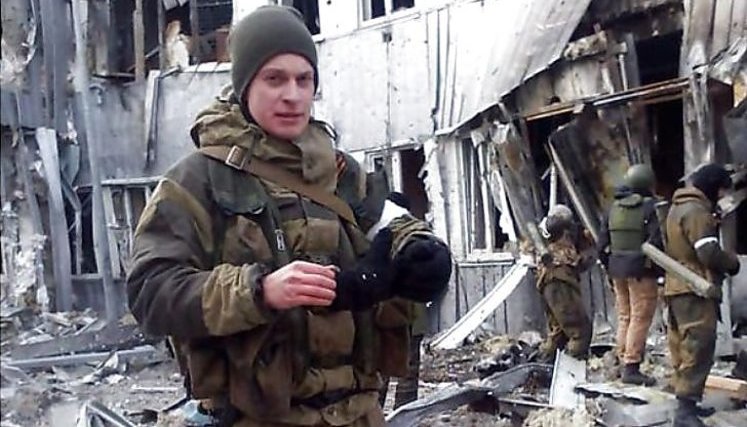
The involvement of Russian mercenaries in Ukraine has escalated tensions, highlighting international dynamics in the conflict. Notably, Ukrainian forces have been actively targeting and capturing these foreign fighters, with significant incidents involving mercenaries from Kenya, Somalia, and other nations. The implementation of drones has been particularly effective in neutralizing these combatants. Additionally, the recruitment of foreign nationals by the Russian army continues to be a point of concern, as evidenced by the growing number of mercenaries from Africa and other regions fighting on the Russian side. This complex situation illustrates the broader geopolitical implications and the continuing internationalization of the conflict in Ukraine.
How are Russian mercenaries affecting the Ukraine conflict?
Russian mercenaries have intensified the conflict in Ukraine by providing additional manpower and drawing international condemnation. Their presence complicates the situation on the ground, involving more foreign elements and increasing the geopolitical stakes in the region. Ukrainian forces have been relentless in neutralizing these mercenaries, showcasing their commitment to defending national sovereignty.
Where have Russian mercenaries been deployed in Ukraine?
Russian mercenaries have been deployed in several strategic locations within Ukraine, including the Kharkiv, Donetsk, and Kursk regions. These areas have witnessed numerous confrontations and are of significant tactical importance to both Ukrainian and Russian forces. The presence of mercenaries in these regions underscores the complex warfare tactics being employed in the ongoing conflict.
What role do drones play in combating Russian mercenaries in Ukraine?
Drones have become a critical tool for Ukrainian forces in combating Russian mercenaries. These unmanned systems are used for reconnaissance, targeting, and neutralizing high-value targets, providing a strategic advantage. The use of drones has enabled more precise operations, minimizing the risks to Ukrainian soldiers while effectively countering the mercenaries' actions.
How is the international community responding to Russian mercenaries in Ukraine?
The international community has largely condemned the presence of Russian mercenaries in Ukraine, seeing it as an escalation in the conflict. Various nations have called for increased sanctions and diplomatic efforts to pressure Russia into withdrawing these fighters. Additionally, international monitoring groups are closely observing the situation, highlighting the violations of international law related to the use of mercenaries.
What are the nationalities of foreign mercenaries fighting for Russia in Ukraine?
Foreign mercenaries fighting for Russia in Ukraine come from a wide array of countries, including Kenya, Somalia, South Africa, and others across Africa. Reports have also noted the presence of mercenaries from countries in Latin America and Asia, reflecting Russia's global recruitment efforts and the diverse backgrounds of its hired combatants.
What actions has Ukraine taken against captured Russian mercenaries?
Ukraine has taken firm measures against captured Russian mercenaries, including detention and interrogation. These individuals are subjected to legal proceedings under Ukrainian and international law, with some facing significant sentences for their involvement in hostilities. The Ukrainian government also uses these captives for intelligence gathering to better understand and counteract foreign mercenary operations.
Are foreign governments addressing their citizens' involvement in Ukraine as Russian mercenaries?
Foreign governments are increasingly addressing their citizens' involvement in Ukraine as Russian mercenaries. Some have launched investigations into recruitment practices, while others have enacted legal measures against individuals taking part in the conflict. Diplomatic channels are being used to communicate concerns and prevent further recruitment, highlighting the international implications of such activities.
Why are African mercenaries joining the Russian forces in Ukraine?
African mercenaries join Russian forces for various reasons, including financial incentives, promises of Russian citizenship, or ideological alignment. Some are recruited under false pretenses, as reported by foreign governments involved in investigating these recruitment practices. The socio-economic conditions in their home countries often push individuals towards accepting such offers despite the high risks involved.
What are the key strategies of the Ukrainian military against Russian mercenaries?
The Ukrainian military employs several strategies against Russian mercenaries, including targeted drone strikes, intelligence operations, and direct engagement in combat zones. They focus on dismantling mercenary groups, cutting off supply lines, and leveraging international partnerships for comprehensive action. These measures aim to reduce the mercenaries' impact on the conflict's dynamics.