ENG




9150 visitors online
Ukraine’s Defense Forces maintain full control over Hlushkivka in the Kharkiv region, effectively countering any Russian infiltration attempts. The military authorities denied Russian claims regarding the occupation of Kupiansk-Vuzlovyi. A strategic milestone is realized with the establishment of a new Joint Forces Grouping, now under the command of Major General Mykhailo Drapatyi. These initiatives strengthen Ukraine’s defensive posture amidst ongoing tensions. Continuous readiness and proactive strategies by the Armed Forces of Ukraine highlight the Joint Forces' critical role in national security, ensuring resilience against adversary advancements while maintaining regional stability.
What recent strategic changes have impacted the Joint Forces?
The formation of a new Joint Forces Grouping under Major General Drapatyi is a strategic change, signifying enhanced coordination and defense readiness. These forces are pivotal in maintaining control over key territories such as Hlushkivka in the Kharkiv region.
How is Ukraine's military responding to Russian territorial claims?
The Ukrainian military promptly refutes Russian assertions of territorial gains, notably around Kupiansk-Vuzlovyi, reinforcing its control and operational capabilities within the contested regions, thus ensuring territorial integrity.
Who is the new leader of the Joint Forces Group?
Major General Mykhailo Drapatyi has been appointed to lead the new Joint Forces Grouping, demonstrating a commitment to strategic leadership and operational efficiency in defense against aggressions.
What challenges do the Ukrainian Joint Forces currently face?
The Joint Forces face the challenge of maintaining control and repelling recurrent Russian offensives. Developing strategies for enhanced resilience and integrating new leadership are ongoing focuses to address adversary tactics effectively.
How does the Joint Forces ensure operational readiness?
The Joint Forces sustain operational readiness through systematic enhancements of military capabilities, strategic leadership adjustments, and ongoing training exercises to prepare for and counteract potential offensives.
News Joint Forces
 Ukraine’s Armed Forces to establish Long-Range Effects Command targeting Russia and Joint Rapid Reaction Forces President Volodymyr Zelenskyy signed decrees establishing Ukraine’s Armed Forces Long-Range Effects Command against Russia and the Joint Rapid Reaction Forces. The latter will be commanded by Brigadier General Dmytro Voloshyn. 3 832 43 Previously in trend: Personnel changes in Armed Forces Command Reforms in the army Joint Forces Grouping
 Defense Forces control Hlushkivka in Kharkiv region, no ruscist infiltration – military Ukraine’s Defense Forces are in control of the settlement of Hlushkivka in the Kharkiv region. 616 1 Previously in trend: Hostilities in Kharkiv region
 Kupiansk-Vuzlovyi is not under control of Russian Federation, - Joint Forces Task Force The military denies statements by the Russian Ministry of Defence about the alleged occupation of Kupiansk-Vuzlovyi in the Kharkiv region. 1 566 1 Previously in trend: Fighting in the Kupіansk direction
 Defense Forces have created Joint Forces Grouping. It will be led by General Drapatyi A new Joint Forces Grouping of the Armed Forces of Ukraine has been established within Ukraine’s Defense Forces. It will be commanded almost entirely by the Joint Forces Command, headed by Major General Mykhailo Drapatyi. 3 712 8 Previously in trend: Corps system in AFU Joint Forces Grouping
 It’s premature to talk about rotations during enemy’s offensive, - Joint Forces Commander Hnatov The offensive initiative is now on the side of the Russian Federation, so it is premature to talk about rotation. 5 774 23 Previously in trend: War
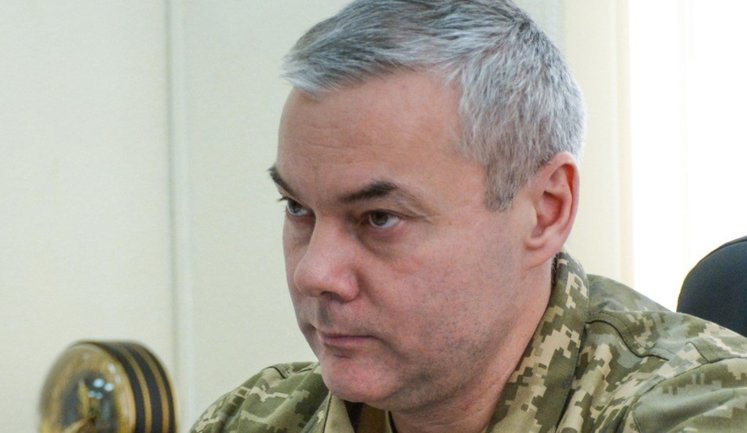
 Zelensky dismissed Moskalev from post of commander of Joint Forces President Volodymyr Zelensky dismissed Eduard Moskalev from the post of commander of the Joint Forces. 41 818 92 Previously in trend: War
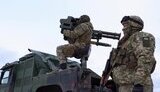 Units increase their readiness for actions, - AFU Joint Forces Command. PHOTOS A group of generals and officers headed by the Commander of the Joint Forces of the Armed Forces of Ukraine Lieutenant General Serhii Naiev continues to provide effective assistance to subordinate troops in the performance of combat missions. In particular, this applies to air defense units that protect the sky over the critical infrastructure of Kyiv and the region. 6 011 8 Previously in trend: Russian aggression against Ukraine War
 Enemy losses over last day amounted to: 210 persons, 15 armored vehicles, 2 artillery systems, - Eastern Defense Forces Grouping The situation in the East remains tense but under control. The highest intensity of fighting remains in Donetsk region. Ukrainian defenders continue to hold back the enemy’s advance near the localities of Bilohorivka, Soledar, Maryinka and Novomykhailivka. 2 230 1 Previously in trend: War
 Since beginning of this day, 14 enemy attacks were repelled in Donbass. 20 occupant vehicles, ammunition depot and 4 airborne targets were destroyed - JFO press center As of 21:00, June 10, Ukrainian defenders from the Joint Forces grouping had repelled 14 enemy attacks. Fighting continues in two locations. 2 962 6 Previously in trend: War
 Since beginning of day, 7 enemy attacks have been repelled in Donbass. 10 tanks, 7 artillery systems, 11 pieces of equipment and warehouse with ammunition of occupants were destroyed, - JFO press center As of 21:00, June 9, Ukrainian defenders from the Joint Force grouping have repelled 7 enemy attacks. Fighting continues in two locations. 3 015 9 Previously in trend: War
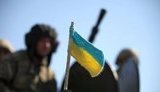 Russian-led forces launched 13 attacks in Donbas in last day On July 26, armed formations of the Russian Federation violated the ceasefire in the Joint Forces Operation (JFO) area in Donbas 13 times. 4 119 46 Previously in trend: Russian aggression against Ukraine
 Zelenskyi appoints new Joint Forces commander President of Ukraine Volodymyr Zelenskyi has dismissed Oleksandr Syrskyi from the post of commander of the Joint Forces. 21 237 91
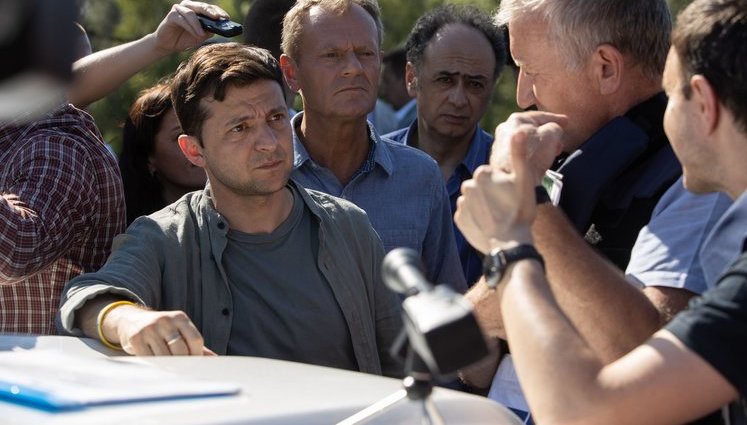
 Zelenskyi, Tusk visit Stanytsia Luhanska. PHOTOS Ukrainian President Volodymyr Zelenskyi and President of the European Council Donald Tusk visited the area of the Joint Forces Operation (JFO) in Stanytsia Luhanska on Sunday, July 7 49 117 486 Previously in trend: Russian aggression against Ukraine
 Zelenskyi visits frontline positions in Donbas. PHOTOS Ukrainian President Volodymyr Zelenskyi has made his first working visit to Luhansk region where he inspected the frontline positions of Ukrainian military in Stanytsia Luhanska and Shchastia. 76 952 1 145 Previously in trend: Russian aggression against Ukraine
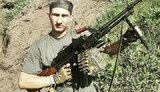 Ukrainian soldier Dmytro Kravchenko died from heart attack in JFO area. PHOTOS On March 31, the soldier of the 93rd brigade "Kholodnyi Iar" of Ukraine’s Armed Forces died. 10 581 12 Previously in trend: Russian aggression against Ukraine War
 "Like sinking ball into pocket", - Ukrainian soldiers destroy enemy supply truck in Donbas. VIDEO The truck had delivered ammunition and weapons to the front line. 27 700 76 Previously in trend: Russian aggression against Ukraine
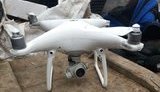 Ukrainian soldiers pranged hostile drone in Donbas. PHOTO The Ukrainian soldiers have downed Russian drone in Donbas near the positions of the Joint Forces Operation. 10 799 30 Previously in trend: Russian aggression against Ukraine
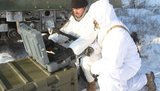 Attack against deminers near Marinka: sergeant Melenchuk wounded, - JFO center Jan. 22, from midnight until 6 p.m., Russia occupation forces violated ceasefire once. 2 739 11 Previously in trend: Russian aggression against Ukraine
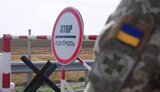 Seven Russian terrorists’ accomplices detained at Donbas checkpoints just in one day, - JFO center On Nov. 20, Ukraine’s law enforces detained at checkpoints along the demarcation line in the Donbas seven persons engaged in activities of the illegal armed formations. 6 051 49
 No fatalities in Ukrainian army on Sunday, two soldiers wounded as Russian proxies mounted 57 attacks The situation in the Joint forces operation (JFO) zone was tense over the past day as combined Russian-separatist forces persistently tried to invite retaliation of the Ukrainian troops. 1 444 6
Ukrainian army reports one soldier wounded in action in Donbas today One Ukrainian soldier was wounded in attack by the Russian mercenaries in the Joint forces operation (JFO) zone today, July 20. 3 872 14
 Ukrainian army reports no casualties as Russian mercenaries mounted 17 attacks in Donbas over past day Combined Russian-separatist forces keep violating truce in the Joint forces operation (JFO) zone occasionally using heavy weapons banned by the cease-fire deal. 10 231 29 Previously in trend: Russian aggression against Ukraine
Ukrainian army reports one soldier wounded in Donbas as Russian terrorists mounted 29 attacks on Sunday The situation in the Joint forces operation (JFO) zone remained under control of the Ukrainian troops despite consistent attempts of the combined Russian-separatist troops to invite their retaliation. 5 511 6 Previously in trend: Russian aggression against Ukraine
Ukrainian army reports no casualties on July 3 amid 17 attacks by Russian proxies Combined Russian-separatist forces continued violating cease-fire along the entire length of the contact line over the past 24-hour period using grenade launchers, heavy machine guns, small arms, armament of infantry fighting vehicles and anti-tank guided missiles. No attacks with weapons banned by the Minsk agreements were recorded yesterday. 6 143 11 Previously in trend: Russian aggression against Ukraine
 No one killed in Ukrainian army on June 21, one soldier wounded amid 29 attacks by Russian mercenaries, - JFO center The vast majority of yesterday’s enemy attacks in the Joint forces operation (JFO) zone were committed with small arms and grenade launchers of various types. 6 851 16 Previously in trend: Russian aggression against Ukraine
 No one killed, two Ukrainian soldiers wounded in past day as Russian proxies mounted 28 attacks in Donbas, - JFO center The situation in the Joint forces operation (JFO) zone steadily deteriorates as combined Russian-separatist troops continue using heavy weapons against Ukrainian military. 6 675 9 Previously in trend: Russian aggression against Ukraine
 No fatalities in Ukrainian army on Sunday, one soldier injured amid 20 attacks The situation in the Joint forces operation (JFO) zone remained under control of Ukrainian military over the past 24-hour period as combined Russian-separatist troops predominantly used small arms against them. 7 756 10
 Ukrainian army reports one soldier killed amid 32 enemy attacks in Donbas on June 12 No major changes in intensity of hostilities were recorded in the Joint forces operation (JFO) zone over the past 24-hour period. The Ukrainian army maintains control over the security situation in the region. 1 688 0 Previously in trend: Russian aggression against Ukraine
No fatalities in Ukrainian army on June 7, four soldiers wounded in 37 attacks by Russian mercenaries, - JFO center The intensity of hostilities along the entire length of the contact line in the Joint forces operation (JFO) zone increased over the past day. 6 722 18
Ukrainian army reports two soldiers killed, two injured yesterday amid 25 attacks by Russian proxies The situation in the Joint forces operation (JFO) zone remained tense over the past day: the enemy committed attacks mainly using small arms. 1 723 0
 Three Ukrainian soldiers injured amid 31 attacks by Russian mercenaries on June 5, two invaders eliminated, four wounded in back fire, - JFO center The situation in the Joint forces operation (JFO) zone remained tense over the past 24 hours as combined Russian-separatist forces mounted 31 attacks over the whole length of the contact line. 8 770 23 Previously in trend: Russian aggression against Ukraine
Ukrainian army reports zero casualties in 30 attacks over past day, two Russian invaders killed, six wounded in blowback, - JFO center Combined Russian-separatist forces attacked the Joint forces operation (JFO) troops 30 times over the past 24 hours occasionally using heavy weapons banned by the Minsk accords. 9 782 28 Previously in trend: Russian aggression against Ukraine
No casualties in Ukrainian army on Sunday amid 27 attacks by Russian proxies involving heavy artillery strike on Talakivka, - JFO center Ukrainian troops sustained no loses over the past 24-hour period as combined Russian-separatist forces continued using heavy weapons banned by the Minsk accords. 10 051 10 Previously in trend: Russian aggression against Ukraine
No one killed, two Ukrainian soldiers injured as Russian terrorists employed artillery and mortars against them on May 30, - JFO center Hostilities were recorded all along the contact line in the Joint forces operation (JFO) zone over the past 24-hour period. 9 431 23 Previously in trend: Russian aggression against Ukraine
JFO reports 36 attacks by Russian proxies in past day, four terrorists eliminated, five injured in backfire Combined Russian-separatist forces attacked Ukrainian troops 36 times over the past 24 hours. 6 144 17
 No fatalities in Ukrainian army over past day, two soldiers injured in 38 attacks; two invaders eliminated, three wounded in backfire, - JFO center The situation in the Joint forces operation (JFO) zone remained tense over the past 24-hour period as combined Russian-separatist troops invited retaliation of the Ukrainian soldiers along the entire contact line. 6 218 16
 One Ukrainian soldier killed, three injured in past day amid 49 attacks by Russian proxies, - JFO HQ The situation in the Joint forces operation (JFO) zone significantly deteriorated as combined Russian-separatist troops shelled Talakivka village in Mariupol’s larger area. 1 932 0
No casualties in Ukrainian army in past day amid 55 attacks by Russian mercenaries, three terrorists injured in retaliation fire, - JFO center Combined Russian-terrorist forces violated cease-fire 55 times over the past 24-hour period using heavy weapons banned by the Minsk accords in 19 cases. 7 337 19 Previously in trend: Russian aggression against Ukraine
 No fatalities in Ukrainian army over past day, seven soldiers injured in 60 enemy attacks, six Russian terrorists killed, one injured in backfire Combined Russian-separatist forces keep violating truce in Joint Forces Operation (JFO) zone: Ukrainian troops came under 60 attacks including 26 artillery and mortar strikes over the past 24 hours. 16 626 49 Previously in trend: Russian aggression against Ukraine
Ukrainian troops came under 66 attacks yesterday including multiple rocket launcher strikes: five invaders killed, eight injured in backfire, - JFO center The situation in the Joint Forces Operation (JFO) zone significantly deteriorated over the past 24 hours: hostilities were recorded along the entire line of contact. 11 322 39 Previously in trend: Russian aggression against Ukraine
 JFO fighters seize three mortars in Russian terrorists’ rear. PHOTOS Ukrainian servicemen seized enemy weapons in the territory of the Donbas controlled by Russian-separatist forces. 42 867 165
One Ukrainian soldier killed, two injured over past day amidst 45 attacks by Russian proxies, - JFO HQ The situation in the Joint Forces Operation (JFO) zone remained tense over the past 24 hours: hostilities intensified in all directions after 4 p.m. 1 846 0
No losses in Ukrainian army in 42 attacks over past day, one Russian terrorist killed, three wounded in blowback, - JFO center The situation in the Joint Forces Operation (JFO) zone remained tense over the past day despite decrease in the intensity of the enemy attacks along the contact line. 5 065 11
Two Ukrainian soldiers received shrapnel wounds in 63 enemy attacks over past day, - JFO headquarters The Russian-terrorist forces continued committing attacks on the Joint Forces Operation (JFO) troops all along the contact line in the Donbas over the past 24-hour period. 5 150 13
JFO center reports three soldiers injured in 55 yesterday’s attacks with two Russian terrorists killed, three injured in retaliation act Over the past 24-hour period, the hostilities were mainly recorded at Donetsk section of the frontline near Zaitseve, Novozvanivka, Avdiivka, Vodiane, Butivka mine, and Pisky. 11 820 29
 Five invaders killed, seven injured in past day as Ukrainian troops retaliated dozens of attacks in Donbas, - JFO center Combined Russian-terrorist troops committed dozens of attacks on Ukrainian servicemen in the Joint Forces Operation (JFO) zone over the past 24-hour period using heavy artillery, mortars and armament of infantry fighting vehicles. 12 545 46 Previously in trend: Russian aggression against Ukraine
JFO center reports one soldier killed in clash near Krymske yesterday, five injured in action outside Avdiivka, Volnovakha Yesterday’s attacks committed by Russian-terrorist troops in the Donbas took a considerable toll on the Joined Forces: one Ukrainian soldier was killed and five more were injured in action. 12 647 37 Previously in trend: Russian aggression against Ukraine
 Two Ukrainian soldiers injured as Russian terrorists used banned heavy weapons 15 times yesterday. One militant killed, five wounded in blowback, - JFO center The situation in the Joint Forces Operation (JFO) zone was tense over the past day as the Russian-occupation troops continued flagrantly violating the Minsk accords. 7 265 20
Page 1 of 2
more news