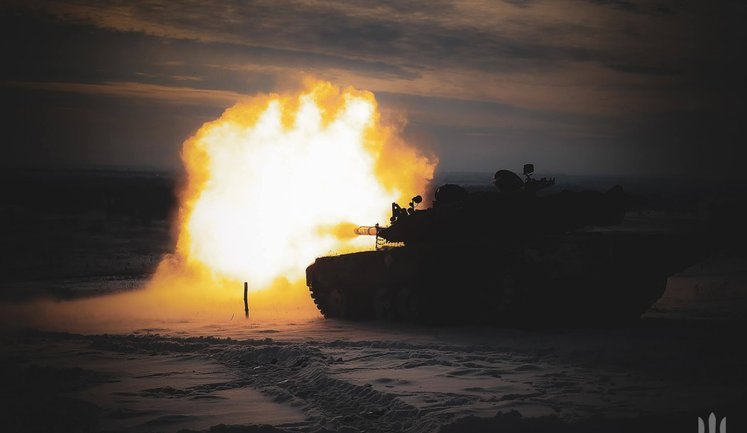
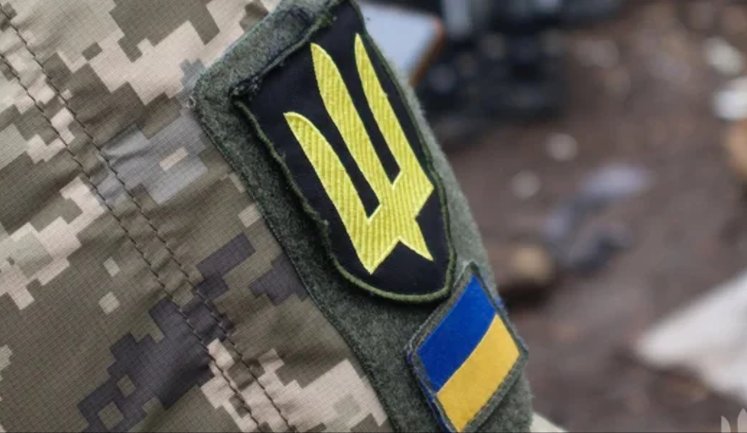
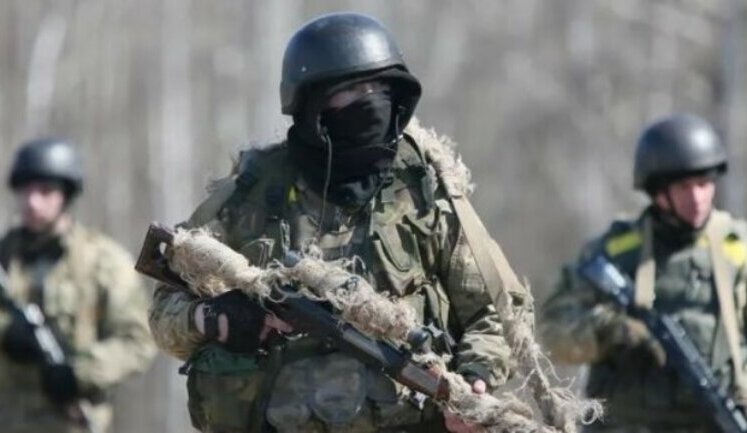
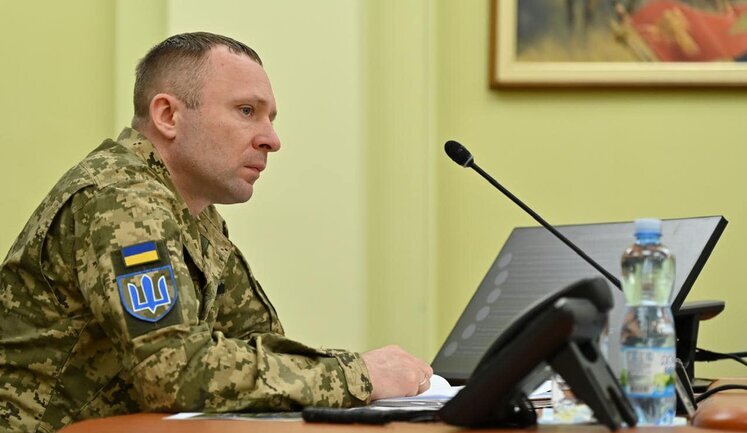
The Kharkiv region remains a focal point of intense military conflict as Ukrainian forces stand resilient against continuous Russian aggression. Ukrainian defenders have successfully refuted Russian disinformation about the capture of Zybyne village, maintaining its status under Ukrainian control. Meanwhile, Russian forces, striving to expand their presence, face significant challenges, particularly in Kupiansk where they are blocked and surrounded. The Defense Forces have managed to regain control in strategic locations between Ambarne and Milove, highlighting tactical successes against the occupiers. Despite some enemy advances near Pishchane and nearby Donetsk, Ukrainian forces continuously thwart Russian attempts to consolidate control. These operations involve elite brigades employing drones and various assault techniques to dismantle enemy infrastructure and thwart advances in Kharkiv. As Russia intensifies efforts along borders, Ukrainian military units employ strategic counter-offensives, ensuring pivotal homeland defense.
What is the current situation in Kharkiv region regarding Russian advances?
The Kharkiv region is experiencing ongoing hostilities as Russian forces attempt to advance. Despite some progression near certain areas, Ukrainian defenders, including the 58th SMIB and 33rd SMB, actively counter these efforts. Strategic areas between Ambarne and Milove have been successfully regained, and misinformation about Russian control over Zybyne has been debunked.
How have Ukrainian forces impacted Russian troop movements in Kupiansk?
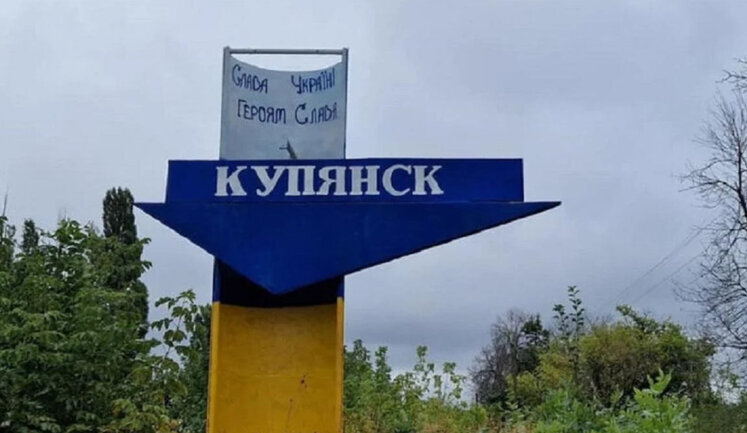
In Kupiansk, Ukrainian forces have impeded Russian troop movements, maintaining a blockade and surrounding enemy forces who sought to break through to the city. Despite repeated attempts, these operations have been met with resistance, showcasing effective defensive strategies by Ukrainian troops.
What role do UAVs play in the conflict in the Kharkiv region?
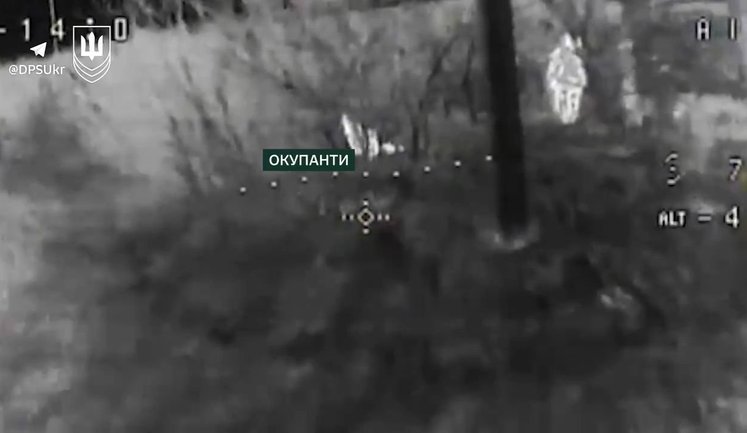
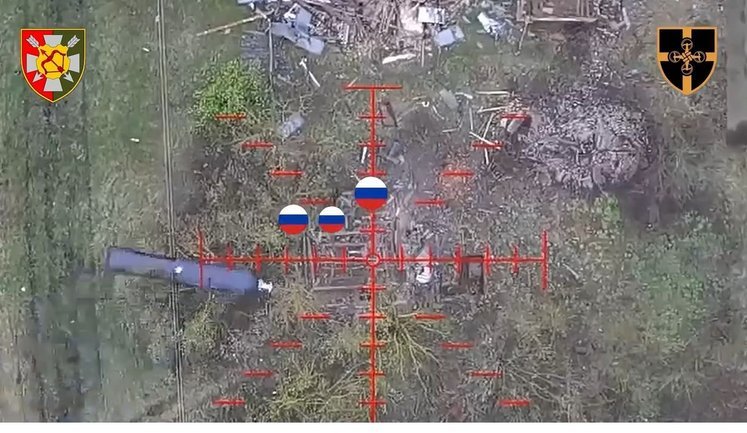
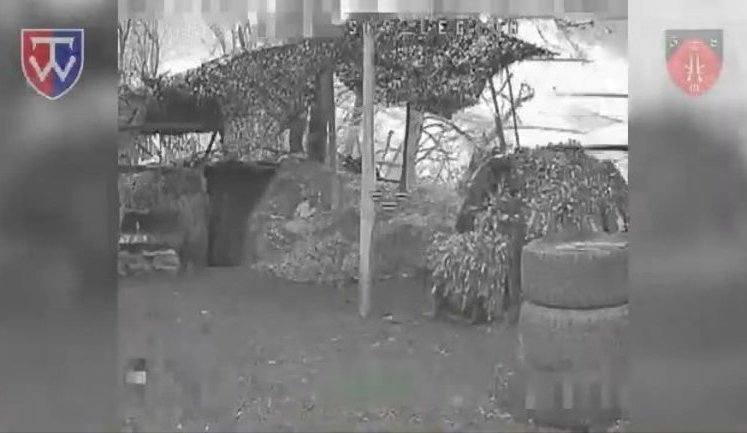
UAVs play a crucial role in the conflict by providing aerial surveillance and combat capability. Ukrainian units, including the 58th Brigade, have utilized UAVs to disrupt enemy preparations and eliminate key infrastructure, such as field fuel depots and drone control centers, thereby hindering Russian operational capabilities.
What efforts have been made to counter disinformation regarding the Kharkiv region conflict?
Ukrainian defenders have been actively countering Russian disinformation through direct military communication and verified reports. Recent false claims of the capture of Zybyne were quickly refuted, preventing the spread of misinformation and ensuring accurate regional situation awareness.
How is the Kharkiv region strategic for Ukrainian efforts against Russian advances?
The Kharkiv region is strategically important due to its location and the ongoing military pressure from Russian forces trying to consolidate territorial gains. Ukrainian efforts focus on holding critical transport and logistics hubs, disrupting enemy supply lines, and repelling advances through coordinated attacks and strategic surveillance and reconnaissance operations.
What challenges do Russian forces face in the Kharkiv region?
Russian forces face significant challenges, including effective Ukrainian defensive strategies and disruptions to logistical support. Ukrainian forces actively challenge territorial advances and continuously thwart attempts to establish strongholds, thereby complicating Russian military strategies and diminishing their operational effectiveness.
What are the latest developments in enemy tactics within Kharkiv region?
Recent developments indicate Russian troops are adjusting their tactics, such as using motorcycles for rapid assaults and attempting local breakouts, complicating defensive efforts. However, Ukrainian forces, utilizing advanced strategies, have been countering these tactics effectively.
Has the Russian military established control over new areas in Kharkiv recently?
While Russian forces have attempted to expand control, particularly near Vovchansk and the Oskil River, most attempts face substantial resistance, resulting in setbacks, including being encircled and facing logistical disruptions by Ukrainian defense operations.